
DbcultAccessing Vault...
Director's Spotlight
Senior Film Conservator
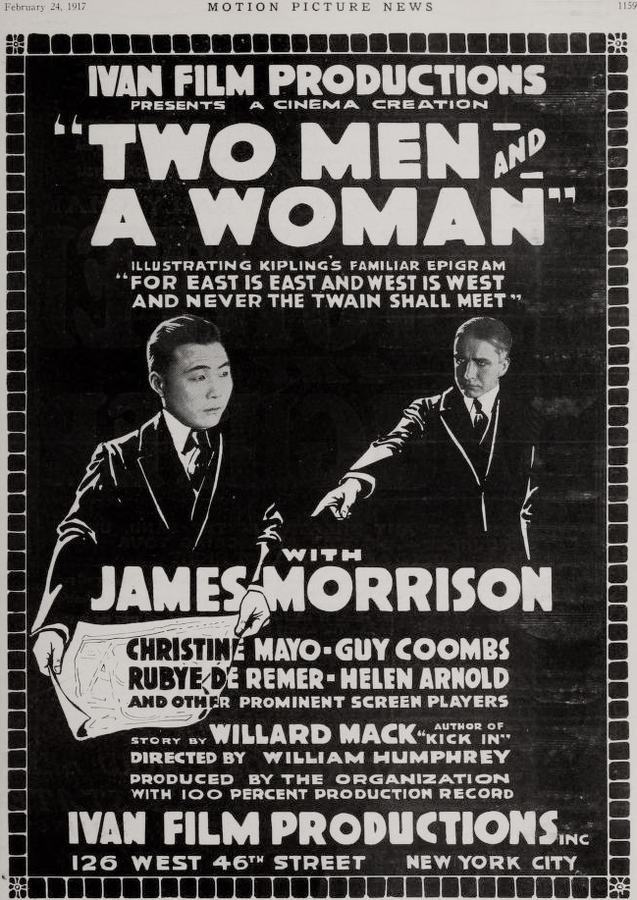
Director's Spotlight: United States
A Deep Dive into the 1917 Vision of William Humphrey
The evocative power of Two Men and a Woman stems from the unique collaboration between the subversive storytelling techniques employed by William Humphrey in 1917. Synthesizing the best elements of United States and international cinema, it reminds us of the fragility and beauty of the 1917s.
In Two Men and a Woman, William Humphrey pushes the boundaries of conventional narrative. The film's unique approach to its subject matter has sparked endless debates and interpretations among cinephiles and critics alike.
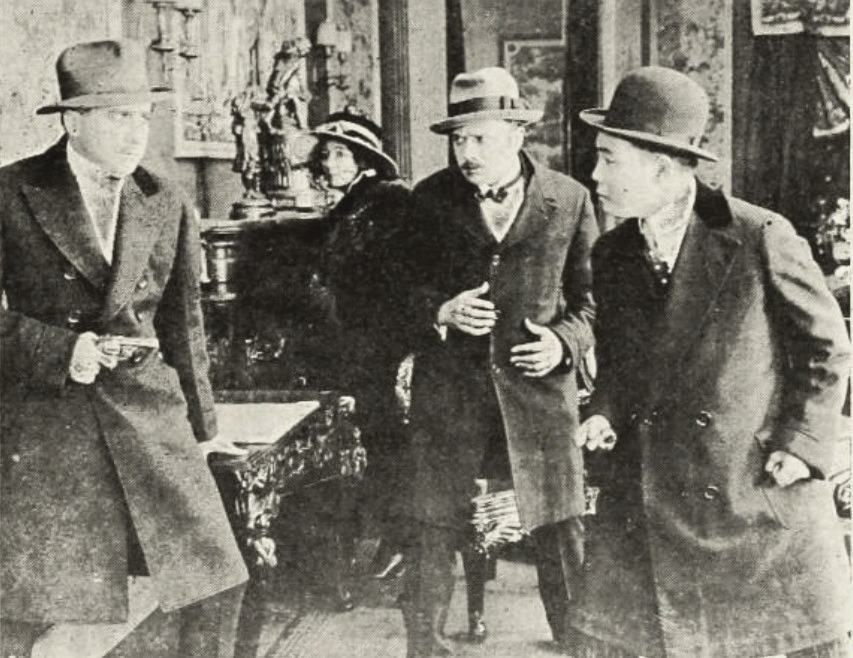
The visual language of Two Men and a Woman is defined by its use of shadows and framing, a hallmark of William Humphrey's style. By utilizing a 1917-era palette, the film creates an immersive experience that perfectly complements its cult themes.
| Cinematography | Handheld |
| Soundtrack | Synth-Heavy |
| Editing | Disjunctive |
| Art Direction | Baroque |
Visualizing the convergence of William Humphrey's style and the core cult narrative.
When Tony Merritt returns from college, his guardian, Bruce Donaldson, introduces him to Ethel Walling, with whom Bruce is secretly in love. Tony falls in love with Ethel and asks for Bruce's blessing. Bruce, believing that he is too old for Ethel, encourages the romance and Ethel consents to the marriage only to please Bruce. Meanwhile, an emissary of a foreign government steals the plans for a diving bell upon which Bruce has been working, and the theft is blamed on Tony. The plans are finally recovered, and upon returning home, Bruce discovers that Wanda, a girl of questionable reputation, is demanding money to release Tony from his promise of marriage. To save Tony, Bruce compromises himself with Wanda and allows Ethel to discover them. This forces Tony to realize the sacrifices that Bruce has made for him and he rushes to Ethel to confess. Finally realizing Bruce's love for her, Ethel goes to him and they are united.
Decades after its release, Two Men and a Woman remains a vital piece of the cinematic puzzle. Its influence can be seen in countless modern works, solidifying William Humphrey's status as a master of the craft in United States and beyond.