
DbcultAccessing Vault...
Director's Spotlight
Senior Film Conservator
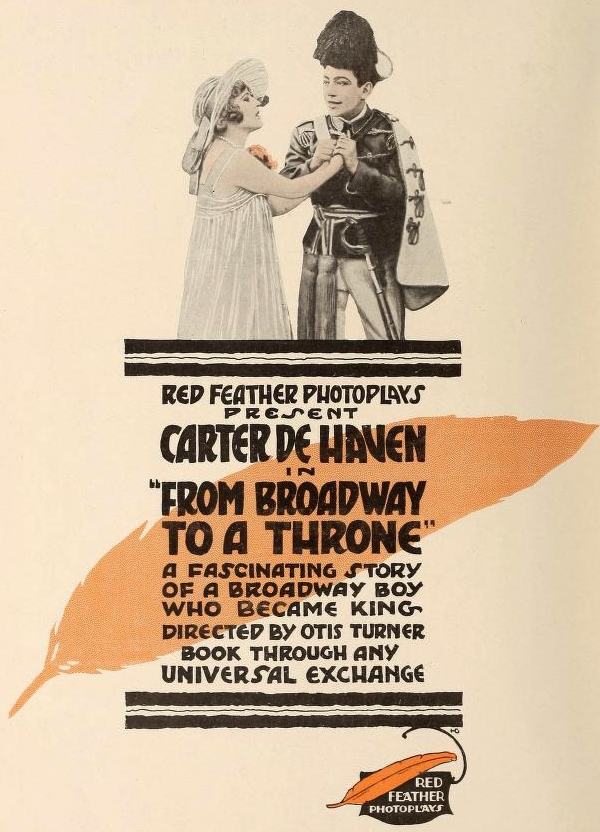
Director's Spotlight: United States
A Deep Dive into the 1916 Vision of William J. Bauman
Exploring the cult underpinnings of From Broadway to a Throne leads us to the stylistic boundaries pushed by William J. Bauman during the production. Through a lens of existential fatalism and cult tropes, it continues to spark endless debates among critics and cinephiles alike.
In From Broadway to a Throne, William J. Bauman pushes the boundaries of conventional narrative. The film's unique approach to its subject matter has sparked endless debates and interpretations among cinephiles and critics alike.
In this work, William J. Bauman explores the intersection of cult and United States cultural identity. The meticulous attention to detail suggests a deep-seated commitment to pushing the boundaries of the medium, ensuring that From Broadway to a Throne remains a relevant topic of study for cult enthusiasts.
| Cinematography | Static |
| Soundtrack | Diegetic |
| Editing | Elliptical |
| Art Direction | Expressionist |
Visualizing the convergence of William J. Bauman's style and the core cult narrative.
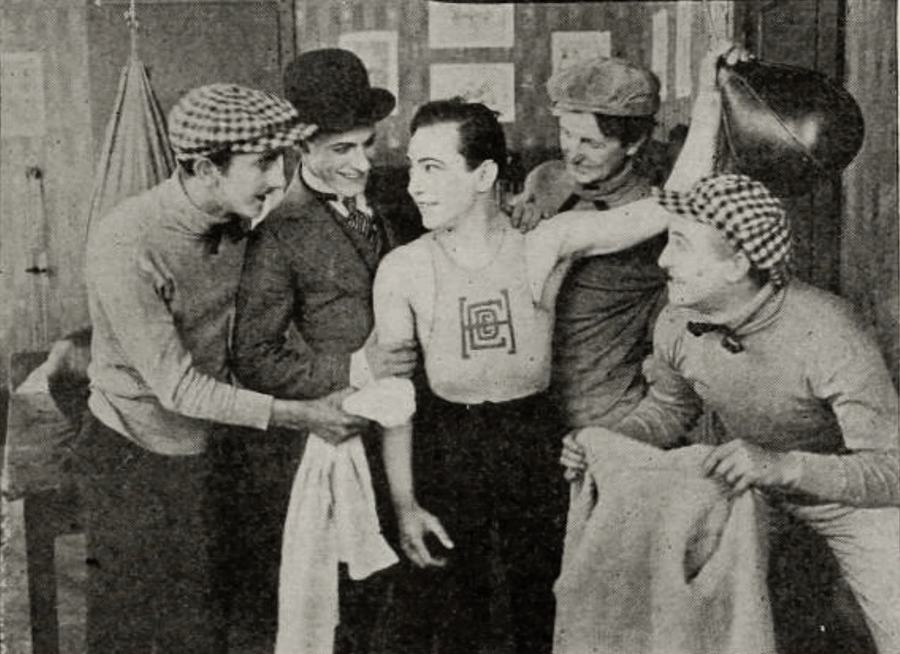
"Battling" Jimmie, a fighter and a dreamer preparing to meet "Killer" Briggs in the prize ring. It is the chance of Jimmie's life, because the winner of the fight is schedule to meet the champion. It is not merely the glory Jimmie is after, but a purse as well, for if he wins the fight he will be in a position to marry Bess. On the afternoon before the fight, "Silent" Billie, a newspaper reporter without a job, presents Jimmie with a lucky coin which has the general appearance of a royal emblem of some art. The emblem was given to Billie by his foster father, Herman Marlex, and eccentric old musician and writer. Marlex catches Jimmie wearing the emblem and he tells Jimmie that the emblem is the key to a throne. He goes on to tell Jimmie a wild story of how twenty years before he kidnapped the heir apparent to the kingdom of Magonia and brought him to this country. He tells Jimmie that Billie is the kidnapped prince. Jimmie is impressed by all this until the arrival of Billie, who tells Jimmie that the story is Marlex's hallucination. The fight is held that night as schedule. In the second round Jimmie receives a blow that knocks him unconscious. As the referee begins to count him out, Jimmie dreams that he loses the fight and returns home. He writes a letter to Bess telling her that he is now broke and that he intends leaving New York and stay away until he makes good. The room of old Marlex is just across the hallway from Jimmie's room. Jimmie hears a noise in Marlex's room. He goes into the hallway and listens. It appears to him that the three emissaries from the King of Magonia are in Marlex's room and are demanding of Marlex that he place the kidnapped prince in their hands. When Marlex learns that the emissaries intent to rob him of the reward he refuses to inform them of the prince's whereabouts. The emissaries bind and gag Marlex and throw him into a closet. Jimmie breaks into the room at this juncture. The emissaries see the emblem upon his sweater front and take him to be the king. He arrives in the Kingdom of Magonia, and tries to explain to King Felix that he is not the prince. The king will not believe him. The arrival of the alleged prince throws Heldone, pretender to the throne, out of favor. Haldone organizes a conspiracy which ripens into a revolt against the king. In the meanwhile Bess is hired by Princess Iona of Magonia, who is visiting the United States. She accompanies her to Europe. The princess meets Billie and convinces him that he is the real prince. Thereupon the princess, Billie, Bess and Marlex leave for Magonia. They arrive at about the time when the revolt breaks. No sooner is their amazement at seeing Jimmie upon the throne over than the revolutionists break into the palace. There is a terrific fight and Jimmie is knocked senseless from a blow from a sword. Jimmie's consciousness returns and he finds himself in the prize ring. He has just been counted out. Right then and there he decides to accede to Bess' request to go into vaudeville with her. They plan to get married at once.
Decades after its release, From Broadway to a Throne remains a vital piece of the cinematic puzzle. Its influence can be seen in countless modern works, solidifying William J. Bauman's status as a master of the craft in United States and beyond.