
DbcultAccessing Vault...
Director's Spotlight
Senior Film Conservator
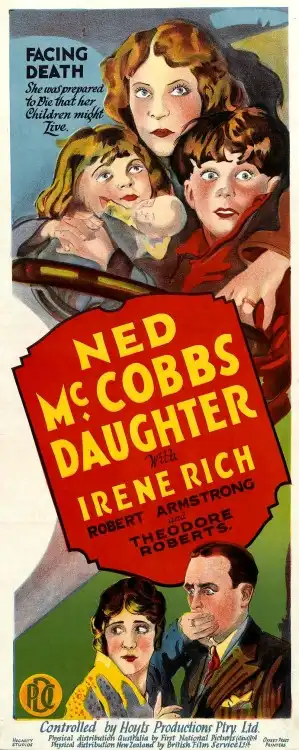
Director's Spotlight: United States
A Deep Dive into the 1928 Vision of William J. Cowen
The brilliance of Ned McCobb's Daughter (1928) is inseparable from a monumental shift in Drama filmmaking spearheaded by William J. Cowen. Occupying a unique space between Drama and pure art, it serves as a blueprint for future generations of Drama directors.
In Ned McCobb's Daughter, William J. Cowen pushes the boundaries of conventional narrative. The film's unique approach to its subject matter has sparked endless debates and interpretations among cinephiles and critics alike.
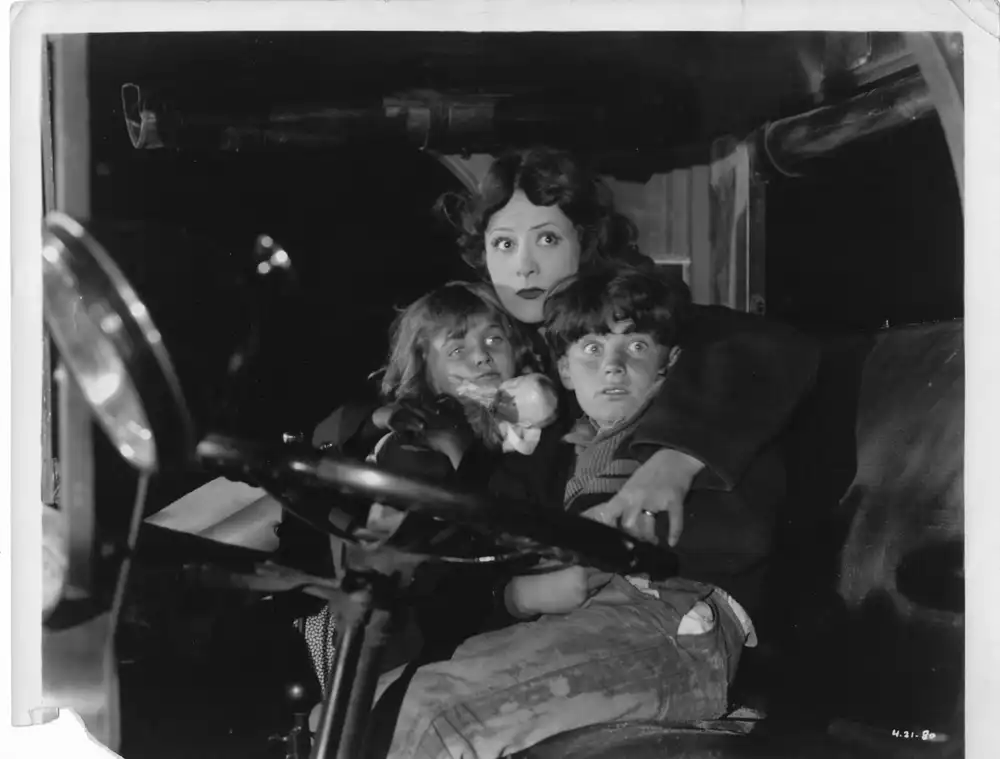
The visual language of Ned McCobb's Daughter is defined by its use of shadows and framing, a hallmark of William J. Cowen's style. By utilizing a 1928-era palette, the film creates an immersive experience that perfectly complements its Drama themes.
| Cinematography | Deep Focus |
| Soundtrack | Experimental |
| Editing | Elliptical |
| Art Direction | Expressionist |
Visualizing the convergence of William J. Cowen's style and the core Drama narrative.
Rumrunner Babe Callahan uses his married brother George's home as a front for his operations. George's wife Carrie, unaware of the arrangement, runs a restaurant in part of the large house owned by her father, captain of the local ferry for while George collects the fares. George proves to be a bigger scoundrel than his bootlegging brother when he steals money from the fares to buy jewelry to purchase the affections of waitress Jennie. When a government official, Kelly, investigates the house's cellar, George kills him and hides the body in an apple bin. Prohibition officers arrive searching for Kelly but find instead trucks with false bottoms. The officials leave, staking-out nearby. Babe's first instinct is to flee, but he remains to protect Carrie and the children. George loads the trucks with the body and liquor, and he takes two of the children to avert suspicion. Carrie frantically enlists Babe's aid. A wild chase culminates with George plunging over a cliff to his death but not before Babe, racing alongside, rescues the children. Babe is arrested but promises Carrie he will return to her.
Decades after its release, Ned McCobb's Daughter remains a vital piece of the cinematic puzzle. Its influence can be seen in countless modern works, solidifying William J. Cowen's status as a master of the craft in United States and beyond.