
DbcultAccessing Vault...
Director's Spotlight
Senior Film Conservator
Director's Spotlight: United States
A Deep Dive into the 1925 Vision of William James Craft
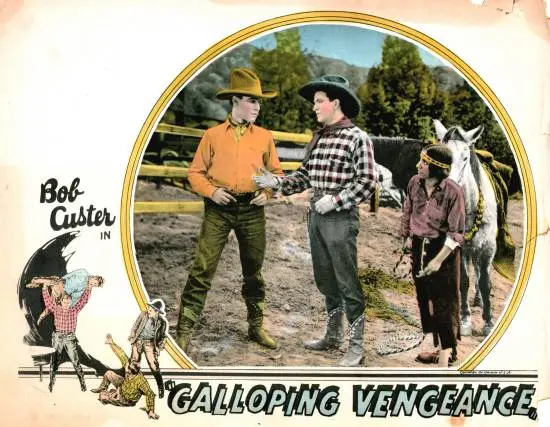
To understand the modern evolution of United States film, one must first look at Galloping Vengeance and the meticulous attention to detail that William James Craft applied to every frame. Reflecting the political and social shifts of the 1925s, it showcases the power of Western as a tool for social commentary.
In Galloping Vengeance, William James Craft pushes the boundaries of conventional narrative. The film's unique approach to its subject matter has sparked endless debates and interpretations among cinephiles and critics alike.
While deeply rooted in United States, Galloping Vengeance has achieved a global reach, influencing directors from various backgrounds. Its ability to translate Western tropes into a universal cinematic language is why it remains a cult staple decades after its 1925 release.
| Cinematography | Static |
| Soundtrack | Synth-Heavy |
| Editing | Disjunctive |
| Art Direction | Baroque |
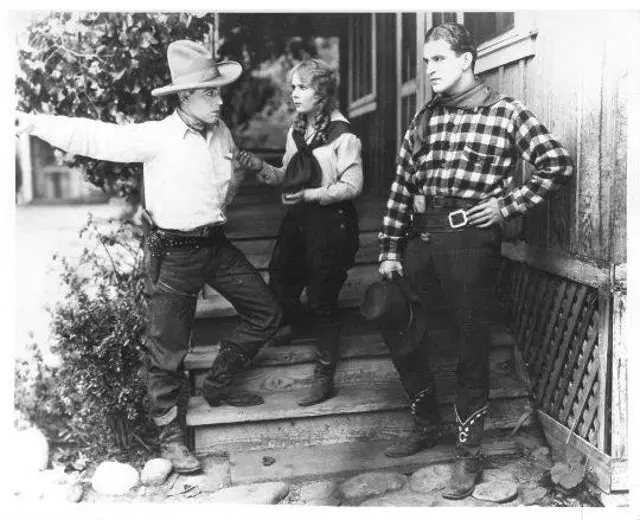
Visualizing the convergence of William James Craft's style and the core Western narrative.
Texas Ranger Tom Hardy is ordered to find Big Wolf, an important Native American leader who has been abducted by outlaw Duke Granby. Tom's assistant, Little Wolf, is wounded and taken to the Reeves ranch, where the ranger meets and falls in love with Marion Reeves. Later, Marion reveals her concern for her brother, Jack, who is involved with the Granby gang. When Tom discovers Jack in a saloon with the criminals, a fight ensues leaving one man dead, and the blame is falsely placed on Jack. He runs to Marion for help, with Tom in pursuit. Marion holds Tom at gunpoint, enabling her brother to escape. Jack takes refuge in Granby's den, unaware that Little Wolf has been following him. The boy takes Tom to the hideout, where the ranger battles Granby. One of the outlaws blows up a dam, causing a flood. After Tom pulls Granby from the water, the outlaw exonerates Jack with his dying breath. The ranger then saves Marion from the flood, permanently winning her love.
Decades after its release, Galloping Vengeance remains a vital piece of the cinematic puzzle. Its influence can be seen in countless modern works, solidifying William James Craft's status as a master of the craft in United States and beyond.