
DbcultAccessing Vault...
Director's Spotlight
Senior Film Conservator
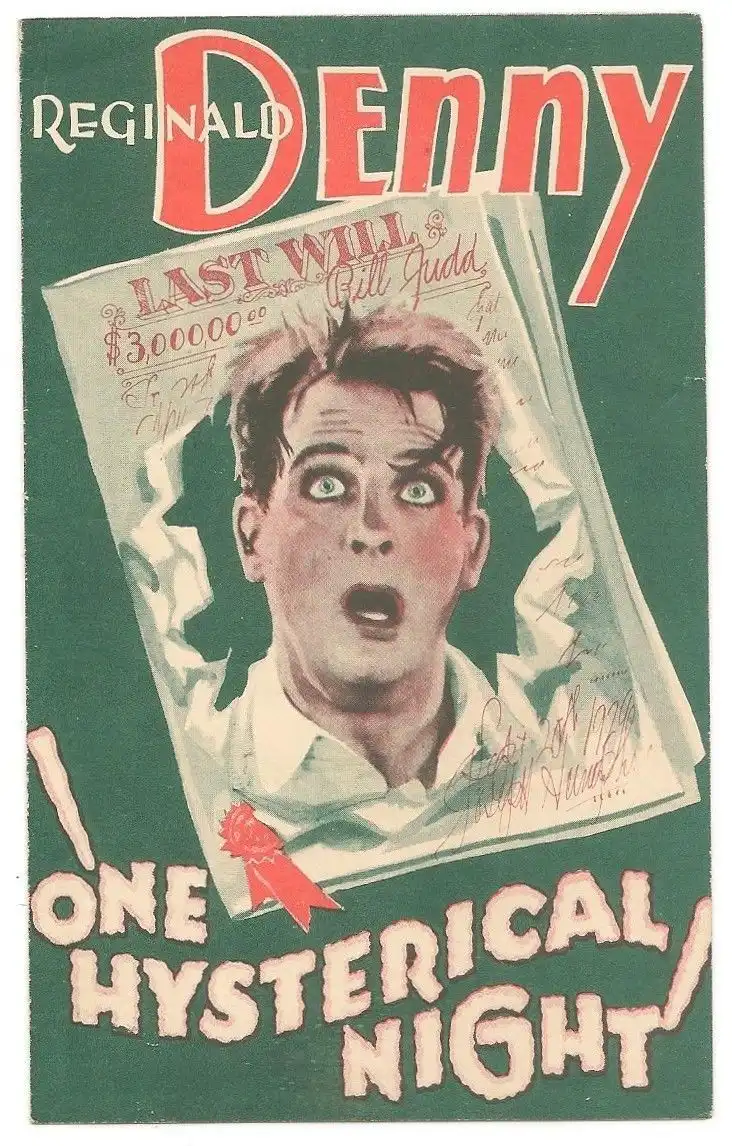
Director's Spotlight: United States
A Deep Dive into the 1929 Vision of William James Craft
Peeling back the layers of William James Craft's One Hysterical Night exposes the collaborative alchemy between William James Craft and the 1929 creative team. Anchored by a narrative that is both personal and universal, it reinforces the idea that cinema is a medium of infinite possibilities.
In One Hysterical Night, William James Craft pushes the boundaries of conventional narrative. The film's unique approach to its subject matter has sparked endless debates and interpretations among cinephiles and critics alike.
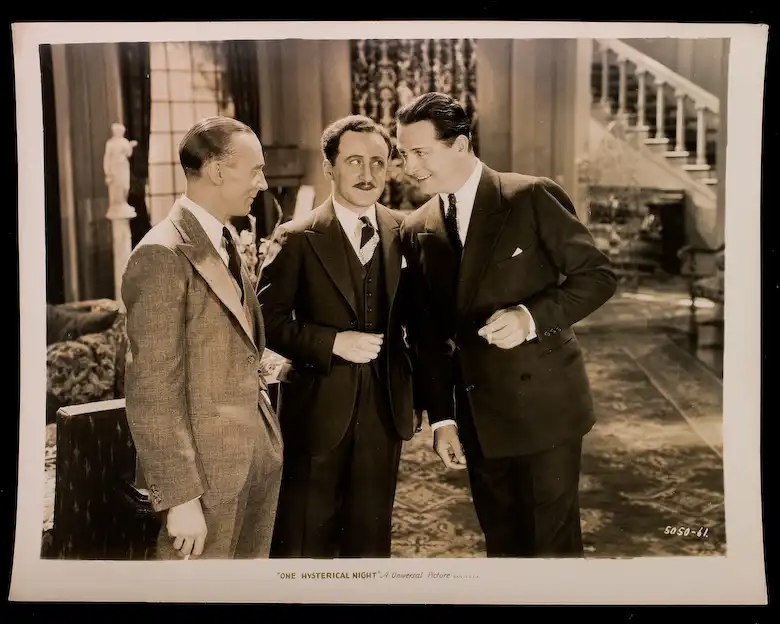
The visual language of One Hysterical Night is defined by its use of shadows and framing, a hallmark of William James Craft's style. By utilizing a 1929-era palette, the film creates an immersive experience that perfectly complements its Romance themes.
| Cinematography | Noir-Inspired |
| Soundtrack | Orchestral |
| Editing | Slow-Burn |
| Art Direction | Brutalist |
Visualizing the convergence of William James Craft's style and the core Romance narrative.
The scheming aunt and uncle of William Judd, heir to the family fortune, persuade him to pose as Napoleon at a fancy masquerade ball, but they are actually having him committed to an insane asylum. Since all the other inmates/attendees think they are historical figures such as Robin Hood, the Duke of Wellington, Paul Revere, William Tell, Salome, Robinson Crusoe, Sherlock Holmes and others, it takes a while for Judd to separate the wheat from the chaff and prove he is not deranged. His quest becomes more urgent when he falls in love with a nurse named Josephine, who does not think she is Napoleon's "Josephine" but is convinced Judd thinks he is Napoleaon.
Decades after its release, One Hysterical Night remains a vital piece of the cinematic puzzle. Its influence can be seen in countless modern works, solidifying William James Craft's status as a master of the craft in United States and beyond.