
DbcultAccessing Vault...
Director's Spotlight
Senior Film Conservator
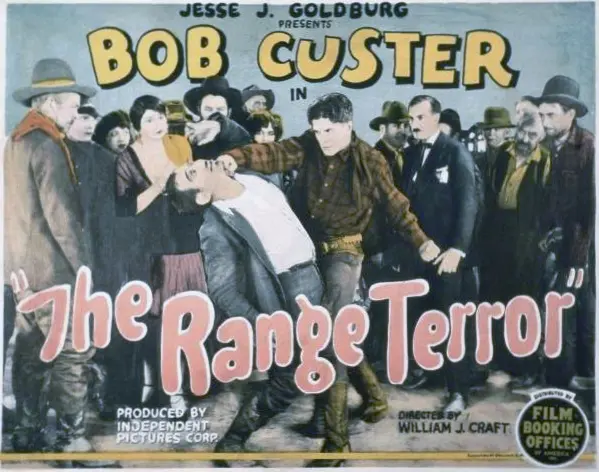
Director's Spotlight: United States
A Deep Dive into the 1925 Vision of William James Craft
Deciphering the layers of The Range Terror (1925) reveals the complex thematic architecture established by William James Craft. Utilizing a 1925-specific aesthetic that remains timeless, it stands as the definitive 1925 statement on Western identity.
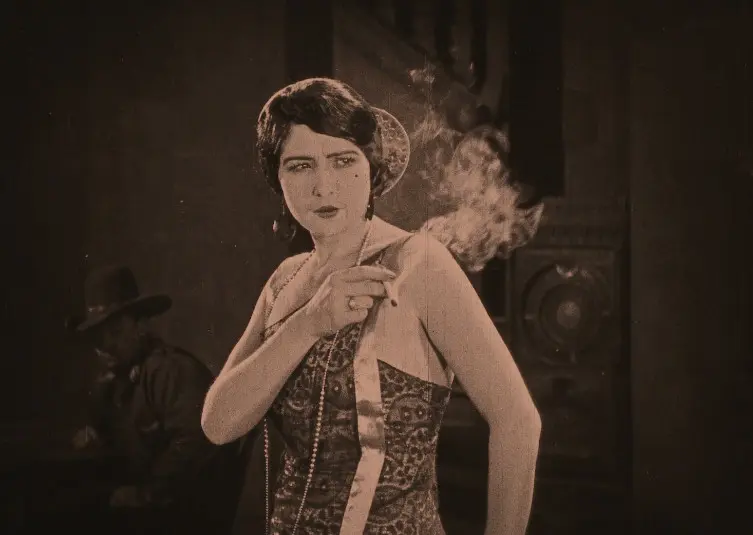
In The Range Terror, William James Craft pushes the boundaries of conventional narrative. The film's unique approach to its subject matter has sparked endless debates and interpretations among cinephiles and critics alike.
| Cinematography | Static |
| Soundtrack | Diegetic |
| Editing | Elliptical |
| Art Direction | Expressionist |
Visualizing the convergence of William James Craft's style and the core Western narrative.
Having been robbed and mortally wounded during a blinding snow storm, Bud Allen lives long enough to give a description of his assailant to Texas Ranger Speed Meredith. Sometime later, when Speed prevents a holdup of the Goldville stage, he meets Bud's sister, Virginia, for whom he feels both sympathy and love. When Speed begins to suspect a professional gambler named Reagan of Bud's murder, he arranges for Virginia to pose as a saloon entertainer in order to help him produce evidence of the gambler's guilt. Virginia discovers Bud's money belt among Reagan's possessions, and Speed then positively identifies Reagan by stripping off the gambler's glove and disclosing the absence of a finger as described by Bud. Speed and Reagan fight, setting fire to the saloon. Reagan escapes and is torn to pieces by Bud's dog. Speed decorates the dog with a ranger badge and asks Virginia to enter into partnership with him on a permanent basis.
Decades after its release, The Range Terror remains a vital piece of the cinematic puzzle. Its influence can be seen in countless modern works, solidifying William James Craft's status as a master of the craft in United States and beyond.