
DbcultAccessing Vault...
Director's Spotlight
Senior Film Conservator
Director's Spotlight: United States
A Deep Dive into the 1921 Vision of William K. Howard
Few works in United States cinema carry the same weight as Play Square, especially regarding the cultural zeitgeist captured so perfectly by William K. Howard in 1921. Utilizing a 1921-specific aesthetic that remains timeless, it serves as a blueprint for future generations of Drama directors.
In Play Square, William K. Howard pushes the boundaries of conventional narrative. The film's unique approach to its subject matter has sparked endless debates and interpretations among cinephiles and critics alike.
The visual language of Play Square is defined by its use of shadows and framing, a hallmark of William K. Howard's style. By utilizing a 1921-era palette, the film creates an immersive experience that perfectly complements its Drama themes.
| Cinematography | Deep Focus |
| Soundtrack | Diegetic |
| Editing | Rhythmic |
| Art Direction | Naturalist |
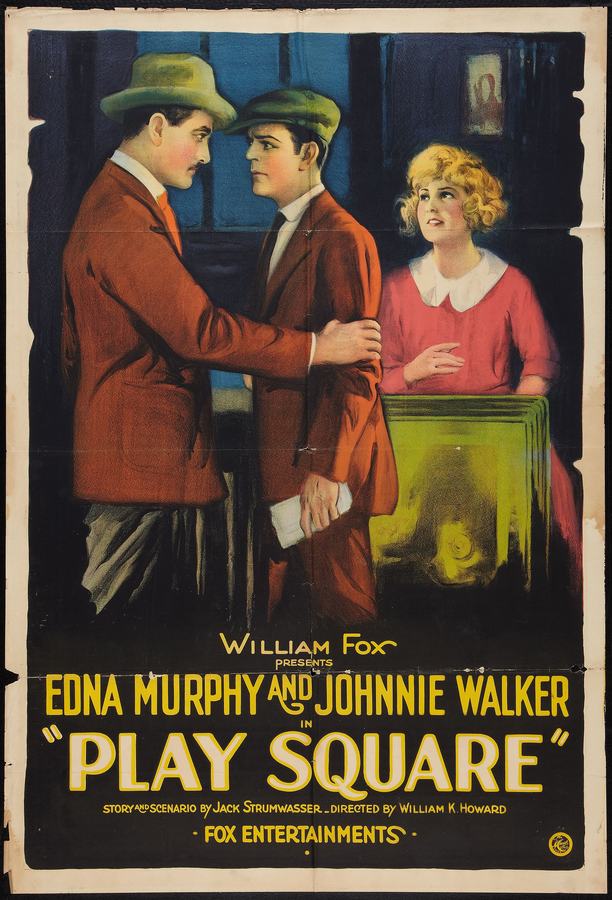
Visualizing the convergence of William K. Howard's style and the core Drama narrative.
Johnny Carroll joins a gang of thieves and is arrested by Detective McQuade for picking Judge Kerrigan's pocket. However, the judge remembers Johnny from his hometown of Meadville, and persuades him to reform. The young man returns home, takes a job in a grocery store, and renews his romance with Betty Bedford. Later, Johnny's former gang arrive in town and again try to recruit him. They induce him to crack the safe in Mr. Bedford's store, threatening to reveal his criminal past if he refuses. Upon opening the safe, Johnny refuses to be a party to the crime and fights the gang. Betty hears the commotion and returns with help. After the thieves are captured, Johnny and Betty are married.
Decades after its release, Play Square remains a vital piece of the cinematic puzzle. Its influence can be seen in countless modern works, solidifying William K. Howard's status as a master of the craft in United States and beyond.