
DbcultAccessing Vault...
Director's Spotlight
Senior Film Conservator
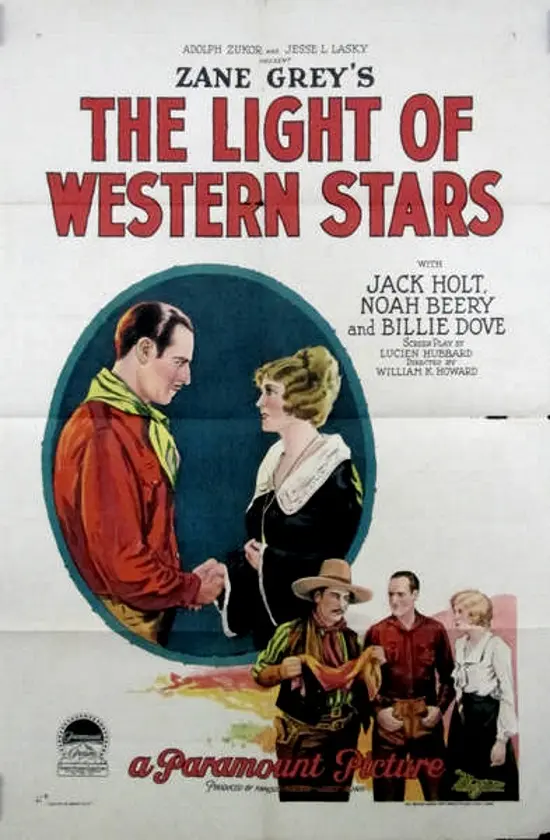
Director's Spotlight: United States
A Deep Dive into the 1925 Vision of William K. Howard
Analyzing The Light of Western Stars (1925) requires a deep dive into the unique directorial voice that William K. Howard brought to the screen. By challenging the status quo of 1925 cinema, it continues to spark endless debates among critics and cinephiles alike.
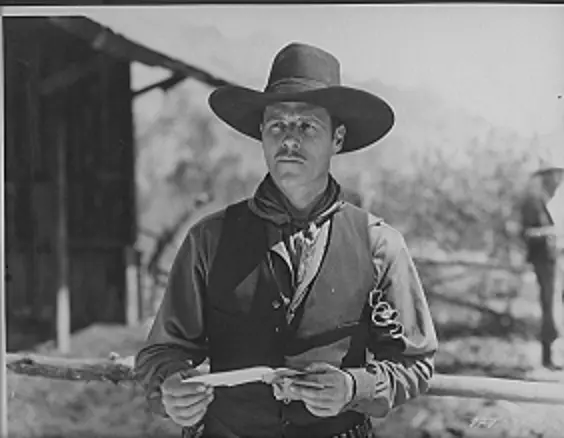
In The Light of Western Stars, William K. Howard pushes the boundaries of conventional narrative. The film's unique approach to its subject matter has sparked endless debates and interpretations among cinephiles and critics alike.
| Cinematography | Noir-Inspired |
| Soundtrack | Minimalist |
| Editing | Disjunctive |
| Art Direction | Baroque |
Visualizing the convergence of William K. Howard's style and the core Drama narrative.
Cowhand Gene Stewart (Jack Holt) spends much of his time as a drunk and disorderly "two-gun rowdy", sinking to the depths among the Mexican riffraff (sleeping off a drinking spree in a pig sty) on the Mexico border, until the rancher's daughter, Madeline Hammond (Billie Dove), tells him she has faith in him becoming a better man. But he is truly tested when Brand (Noah Beery), the outlaw leader, decides to take over the ranch.
Decades after its release, The Light of Western Stars remains a vital piece of the cinematic puzzle. Its influence can be seen in countless modern works, solidifying William K. Howard's status as a master of the craft in United States and beyond.