
DbcultAccessing Vault...
Director's Spotlight
Senior Film Conservator
Director's Spotlight: United States
A Deep Dive into the 1927 Vision of William K. Howard
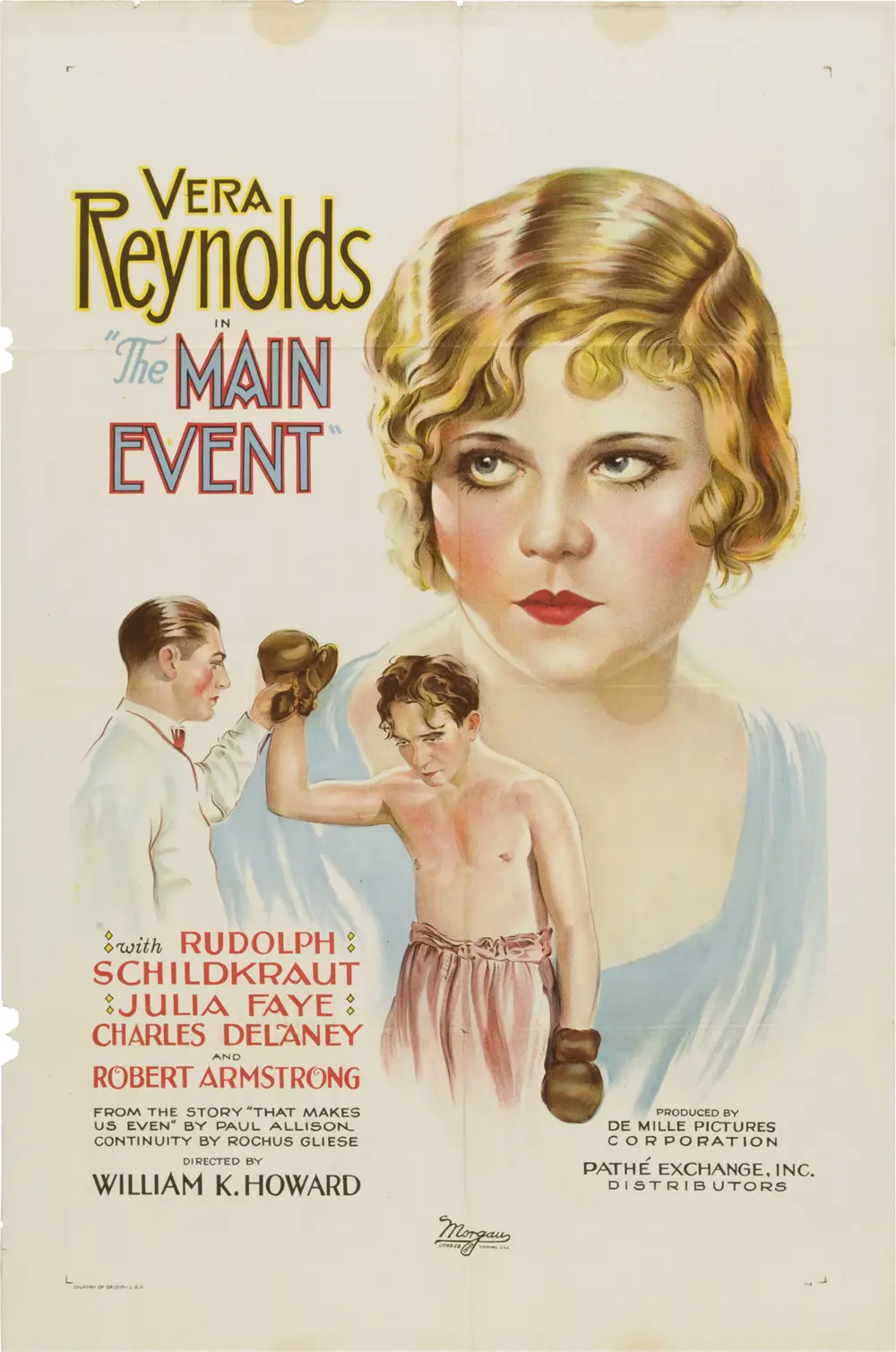
Witnessing the stylistic transformation of Romance through The Main Event reveals the provocative questions that William K. Howard poses to the United States audience. Exploring the nuances of the human condition with Romance flair, it showcases the power of Romance as a tool for social commentary.
In The Main Event, William K. Howard pushes the boundaries of conventional narrative. The film's unique approach to its subject matter has sparked endless debates and interpretations among cinephiles and critics alike.
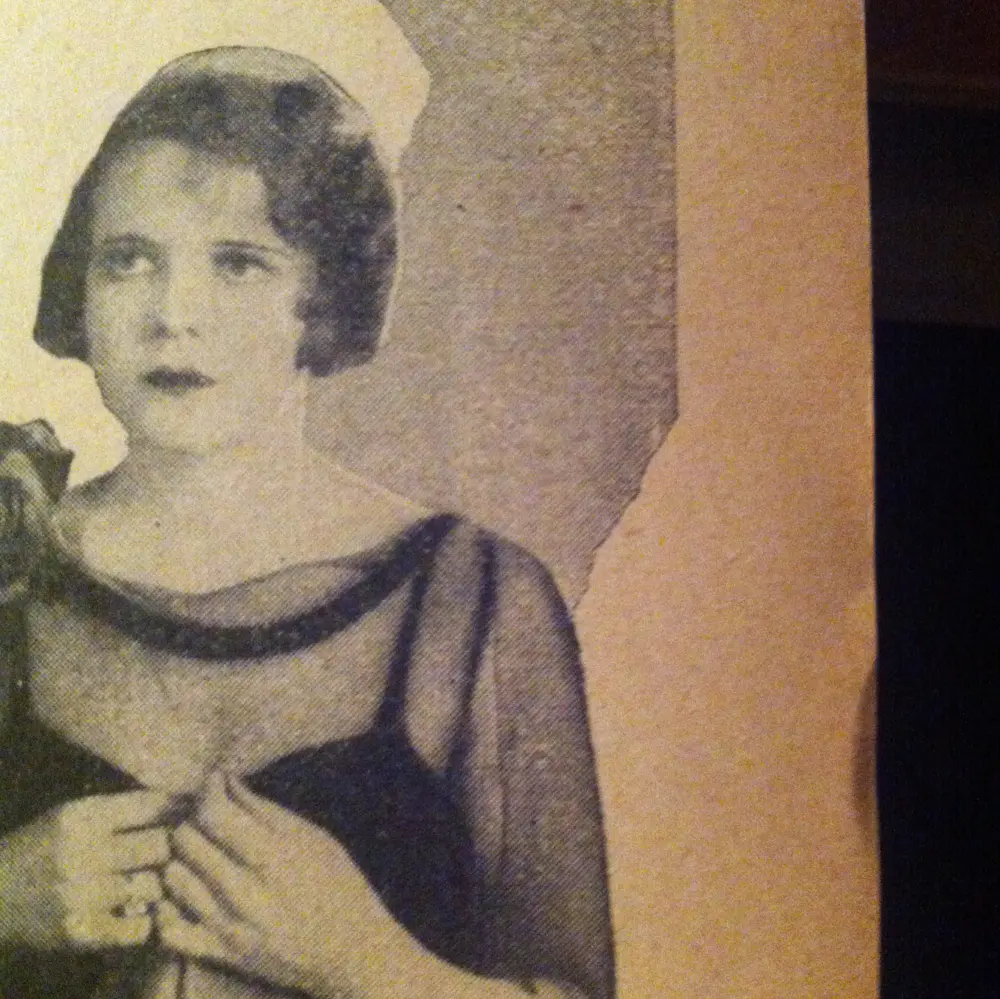
The visual language of The Main Event is defined by its use of shadows and framing, a hallmark of William K. Howard's style. By utilizing a 1927-era palette, the film creates an immersive experience that perfectly complements its Romance themes.
| Cinematography | Handheld |
| Soundtrack | Experimental |
| Editing | Invisible |
| Art Direction | Kitsch |
Visualizing the convergence of William K. Howard's style and the core Romance narrative.
Glory Frayne, a cabaret dancer, is in love with Red Lucas, a prizefighter whose opponent, Johnnie Regan, she meets accidentally when he comes to her cabaret performance. When Johnnie is attracted to her, Glory sees in the situation an opportunity of clinching the forthcoming fight for Lucas, and she deliberately keeps Johnnie away from training. Reprimanded by his father for his poor condition, Johnnie insists that his love for Glory means more to him than the fight. Glory, realizing her love for Johnnie, regrets her plotting and admits her feelings to Lucas, who takes up with Margie, Glory's girl friend. Glory tries to persuade Johnnie to stay out of the ring, but learning of her scheming, he goes to his defeat. Afterwards, she assures him of her love, and they are married.
Decades after its release, The Main Event remains a vital piece of the cinematic puzzle. Its influence can be seen in countless modern works, solidifying William K. Howard's status as a master of the craft in United States and beyond.