
DbcultAccessing Vault...
Director's Spotlight
Senior Film Conservator
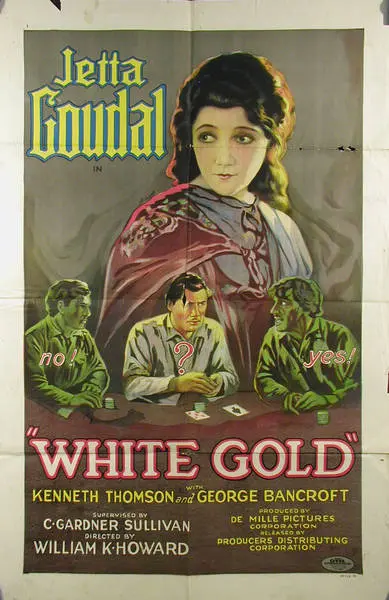
Director's Spotlight: United States
A Deep Dive into the 1927 Vision of William K. Howard
Witnessing the stylistic transformation of Western through White Gold reveals the global recognition that William K. Howard garnered after the release of White Gold. Serving as a mirror to the anxieties of a changing world, offering layers of thematic complexity that demand repeated viewing.
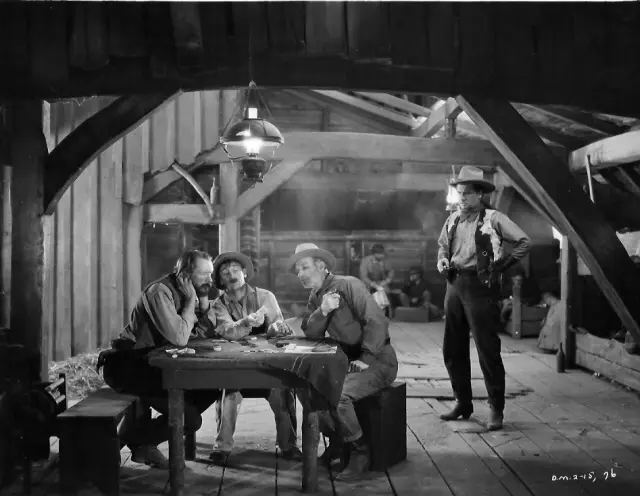
In White Gold, William K. Howard pushes the boundaries of conventional narrative. The film's unique approach to its subject matter has sparked endless debates and interpretations among cinephiles and critics alike.
| Cinematography | Noir-Inspired |
| Soundtrack | Experimental |
| Editing | Elliptical |
| Art Direction | Expressionist |
Visualizing the convergence of William K. Howard's style and the core Western narrative.
A beautiful young Mexican girl marries an Arizona sheep rancher and returns with him to his ranch, where he lives with his elderly father. The father, not used to sharing his son's attentions with anyone, takes an instant dislike to the new wife, and proceeds to make life as miserable for her as possible, including trying to turn his son against her. When a drifter shows up looking for work, the old man sees his chance.
Decades after its release, White Gold remains a vital piece of the cinematic puzzle. Its influence can be seen in countless modern works, solidifying William K. Howard's status as a master of the craft in United States and beyond.