
DbcultAccessing Vault...
Director's Spotlight
Senior Film Conservator
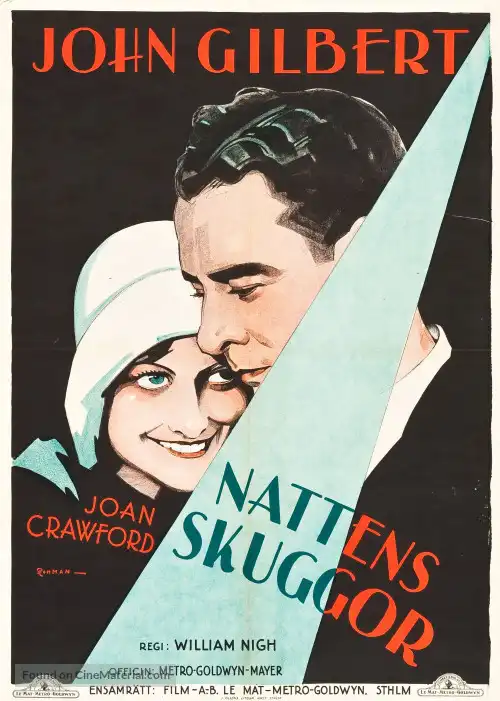
Director's Spotlight: United States
A Deep Dive into the 1928 Vision of William Nigh
Analyzing Four Walls (1928) requires a deep dive into the defining moment in Drama history that William Nigh helped create. Defining a new era of United States artistic expression, it transcends regional boundaries to tell a universal story.
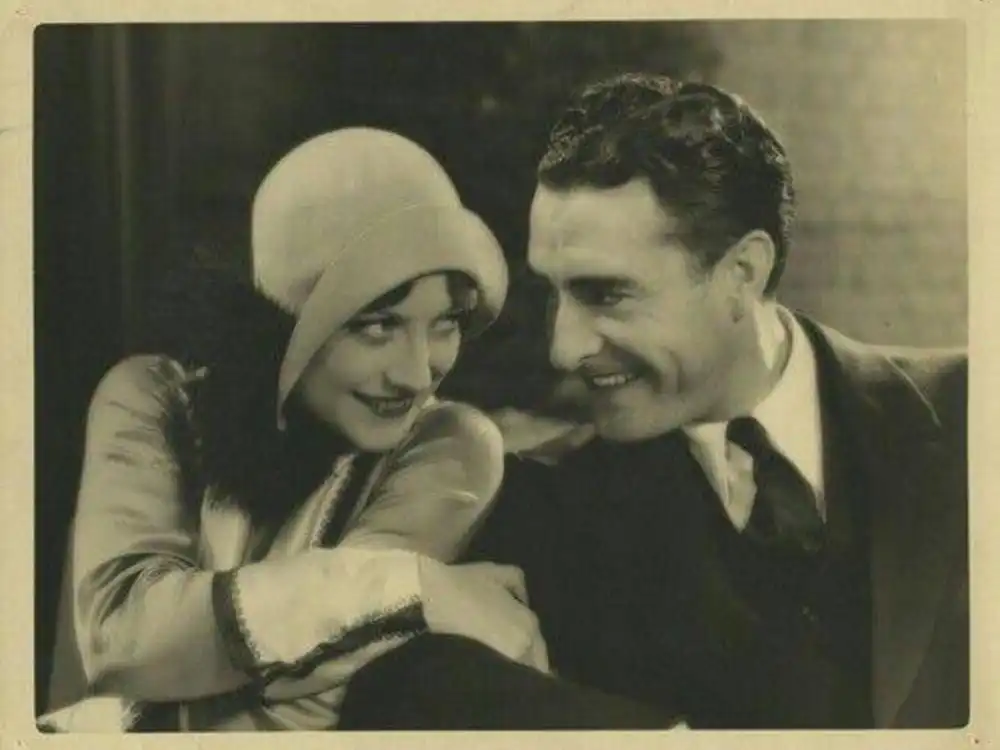
In Four Walls, William Nigh pushes the boundaries of conventional narrative. The film's unique approach to its subject matter has sparked endless debates and interpretations among cinephiles and critics alike.
| Cinematography | Noir-Inspired |
| Soundtrack | Experimental |
| Editing | Elliptical |
| Art Direction | Expressionist |
Visualizing the convergence of William Nigh's style and the core Drama narrative.
While Benny is in jail his old henchman Monk takes over the gang and Benny's girl Frieda. Once out Benny wants nothing to do with either. He has reformed and is beloved of his god-fearing mother's good friend Bertha. But Frieda pursues him and, at a party, announces her engagement to Monk in order to make Benny really jealous. A rival gang attacks during the party and Benny takes over, running off with Bertha in his arms. In a chase across the rooftops, Monk falls to his death. Benny is accused and later cleared of Monk's "murder".
Decades after its release, Four Walls remains a vital piece of the cinematic puzzle. Its influence can be seen in countless modern works, solidifying William Nigh's status as a master of the craft in United States and beyond.