
DbcultAccessing Vault...
Director's Spotlight
Senior Film Conservator
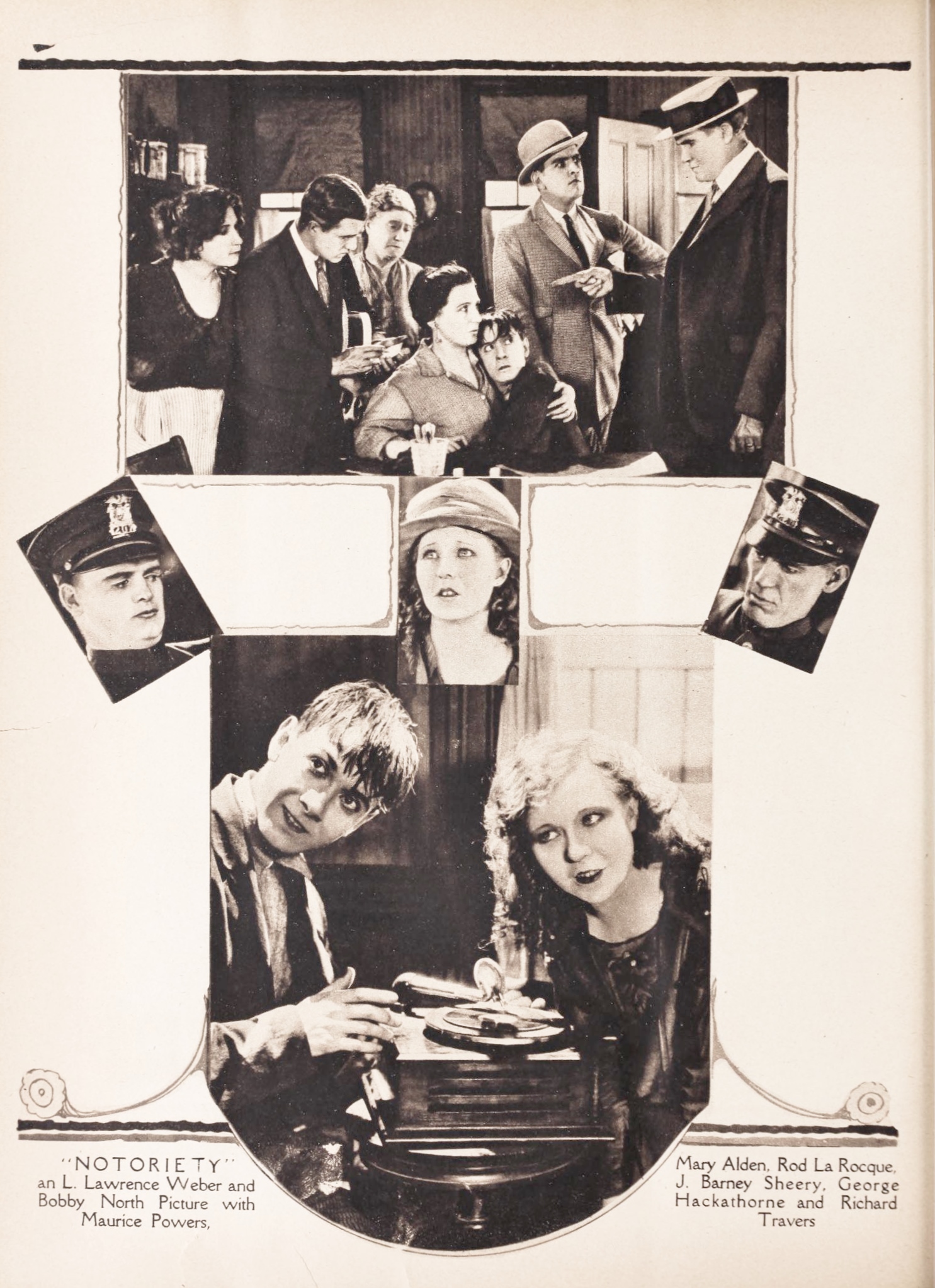
Director's Spotlight: United States
A Deep Dive into the 1922 Vision of William Nigh
To understand the modern evolution of United States film, one must first look at Notoriety and the collaborative alchemy between William Nigh and the 1922 creative team. Subverting the expectations of the typical 1922 audience, it remains a vital reference point for anyone studying the evolution of William Nigh.
In Notoriety, William Nigh pushes the boundaries of conventional narrative. The film's unique approach to its subject matter has sparked endless debates and interpretations among cinephiles and critics alike.
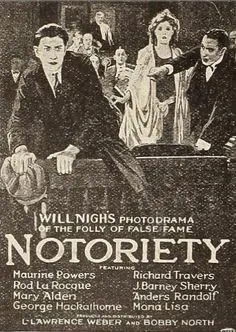
The visual language of Notoriety is defined by its use of shadows and framing, a hallmark of William Nigh's style. By utilizing a 1922-era palette, the film creates an immersive experience that perfectly complements its Drama themes.
| Cinematography | Handheld |
| Soundtrack | Orchestral |
| Editing | Slow-Burn |
| Art Direction | Brutalist |
Visualizing the convergence of William Nigh's style and the core Drama narrative.
Pigeon Deering, a girl of the tenements, while watching a society ball through a window, witnesses a murder and is arrested. Because she craves notoriety, Pigeon confesses to the crime. During her trial, attorney Arthur Beal exposes the murderer and urges her not to accept any offer from theatrical producers hoping to cash in on her "fame." When Pigeon rejects his advice, Arthur fakes an offer, which she accepts, and has her brought to his country farm for "rehearsals." An attack by a hired man, who assumes from her publicity that she is susceptible, finally convinces Pigeon of her mistake, and she accepts Arthur's proposal of marriage.
Decades after its release, Notoriety remains a vital piece of the cinematic puzzle. Its influence can be seen in countless modern works, solidifying William Nigh's status as a master of the craft in United States and beyond.