
DbcultAccessing Vault...
Director's Spotlight
Senior Film Conservator
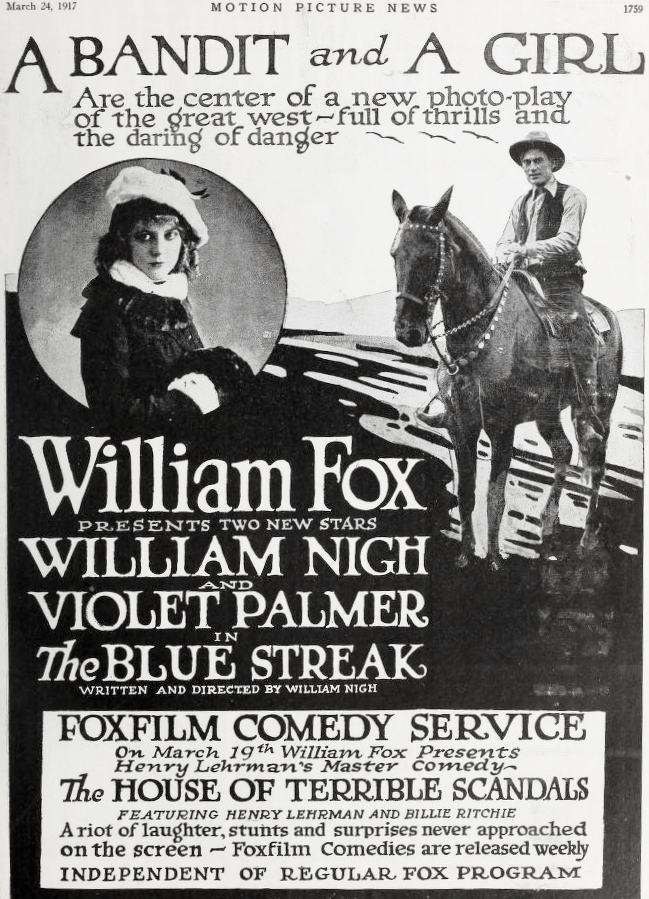
Director's Spotlight: United States
A Deep Dive into the 1917 Vision of William Nigh
Witnessing the stylistic transformation of cult through The Blue Streak reveals the provocative questions that William Nigh poses to the United States audience. Exploring the nuances of the human condition with cult flair, it showcases the power of cult as a tool for social commentary.
In The Blue Streak, William Nigh pushes the boundaries of conventional narrative. The film's unique approach to its subject matter has sparked endless debates and interpretations among cinephiles and critics alike.
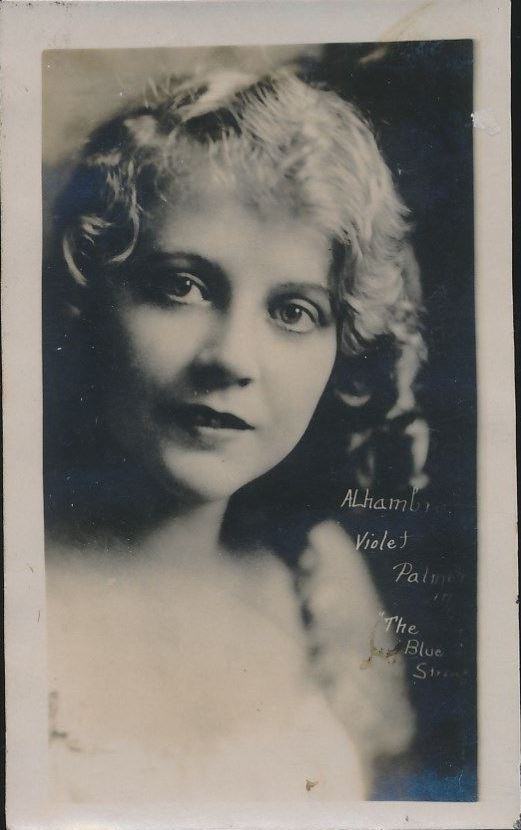
To fully appreciate The Blue Streak, one must consider the cinematic climate of 1917. During this period, United States was undergoing significant artistic shifts, and William Nigh was at the forefront of this cult movement, often challenging established norms.
| Cinematography | Deep Focus |
| Soundtrack | Synth-Heavy |
| Editing | Rhythmic |
| Art Direction | Naturalist |
Visualizing the convergence of William Nigh's style and the core cult narrative.
The story tells of the reformation of a millionaire's son, who later develops such consistent speed on the "draw" and on a horse that it wins for him the title of "The Blue Streak." Driven from home, the "Streak" changes his mode of living entirely. News of his adventurous spirit penetrates even into the town of Sterling, beyond the Rockies, where he one day finds himself. He strolls into the common meeting-place there, the saloon, and proceeds to prevent a forced marriage between the proprietor's daughter, "The Fledgling," and a gambler by the simple expedient of covering all with his revolver while preparing to make her captive himself. A short time after they reach his retreat in the hills, the "Streak' is almost overcome by what occurs to him. The gambler must have wronged the girl, and he, the "Streak," has interfered with retribution. He leaves "The Fledgling" in his partner's care and rides furiously back to the town for the "miscreant." He makes him prisoner, after a hard fight, and with a parson, brings him to the hut. The girl protests that the gambler has not harmed her, but the "Streak" will not listen. In desperation, "The Fledgling" goes through with a fake marriage ceremony. Miles away on the horizon the "Streak" sees a posse approaching to arrest him for his escapades. He bids "The Fledgling" good-bye and prepares for surrender. She begs him to flee. When he refuses she rushes to his arms, crying out her explanation. He mounts his horse, lifts her behind him, and dashes off, to begin life anew in his old home.
Decades after its release, The Blue Streak remains a vital piece of the cinematic puzzle. Its influence can be seen in countless modern works, solidifying William Nigh's status as a master of the craft in United States and beyond.