
DbcultAccessing Vault...
Director's Spotlight
Senior Film Conservator
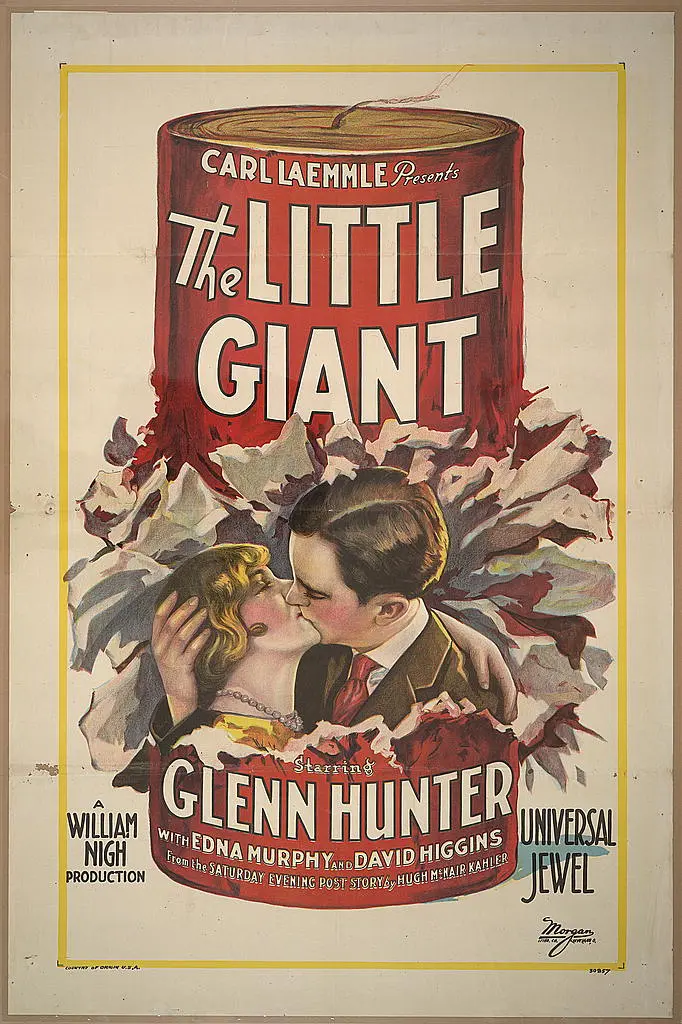
Director's Spotlight: United States
A Deep Dive into the 1926 Vision of William Nigh
The 1926 release of The Little Giant marked a significant moment for the enduring legacy of William Nigh's artistic contribution to the genre. By challenging the status quo of 1926 cinema, it has cemented its place in the global cult cinema archive.
In The Little Giant, William Nigh pushes the boundaries of conventional narrative. The film's unique approach to its subject matter has sparked endless debates and interpretations among cinephiles and critics alike.
In this work, William Nigh explores the intersection of Comedy and United States cultural identity. The meticulous attention to detail suggests a deep-seated commitment to pushing the boundaries of the medium, ensuring that The Little Giant remains a relevant topic of study for Comedy enthusiasts.
| Cinematography | High-Contrast |
| Soundtrack | Minimalist |
| Editing | Slow-Burn |
| Art Direction | Brutalist |
Visualizing the convergence of William Nigh's style and the core Comedy narrative.
Having been brought up by his Uncle Clem, an itinerant peddler, Elmer Clinton has no trouble becoming the sales manager for a company that manufactures washing machines. Royce Enfield, the son of the company's president, wants his father to sell the business and therefore undermines Elmer's sales campaign. In a real effort to help Elmer, Uncle Clem obtains numerous orders for washing machines, but these are intercepted by Royce before they can be filled. Elmer is fired and, finding out the reason why, whips Royce in a fight. The elder Enfield finds the orders his son purloined and rehires Elmer, finding a position for Uncle Clem also.
Decades after its release, The Little Giant remains a vital piece of the cinematic puzzle. Its influence can be seen in countless modern works, solidifying William Nigh's status as a master of the craft in United States and beyond.