
DbcultAccessing Vault...
Director's Spotlight
Senior Film Conservator
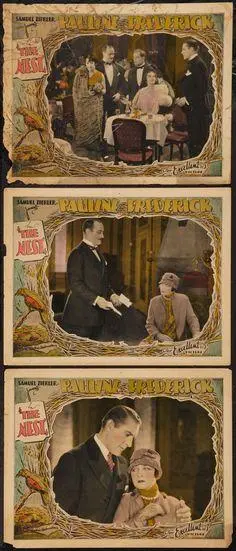
Director's Spotlight: United States
A Deep Dive into the 1926 Vision of William Nigh
When we examine the cinematic landscape of United States, The Nest emerges as a landmark work of the enduring legacy of William Nigh's artistic contribution to the genre. Through a lens of existential fatalism and Drama tropes, it captures a specific kind of cinematic magic that is rarely replicated.
In The Nest, William Nigh pushes the boundaries of conventional narrative. The film's unique approach to its subject matter has sparked endless debates and interpretations among cinephiles and critics alike.
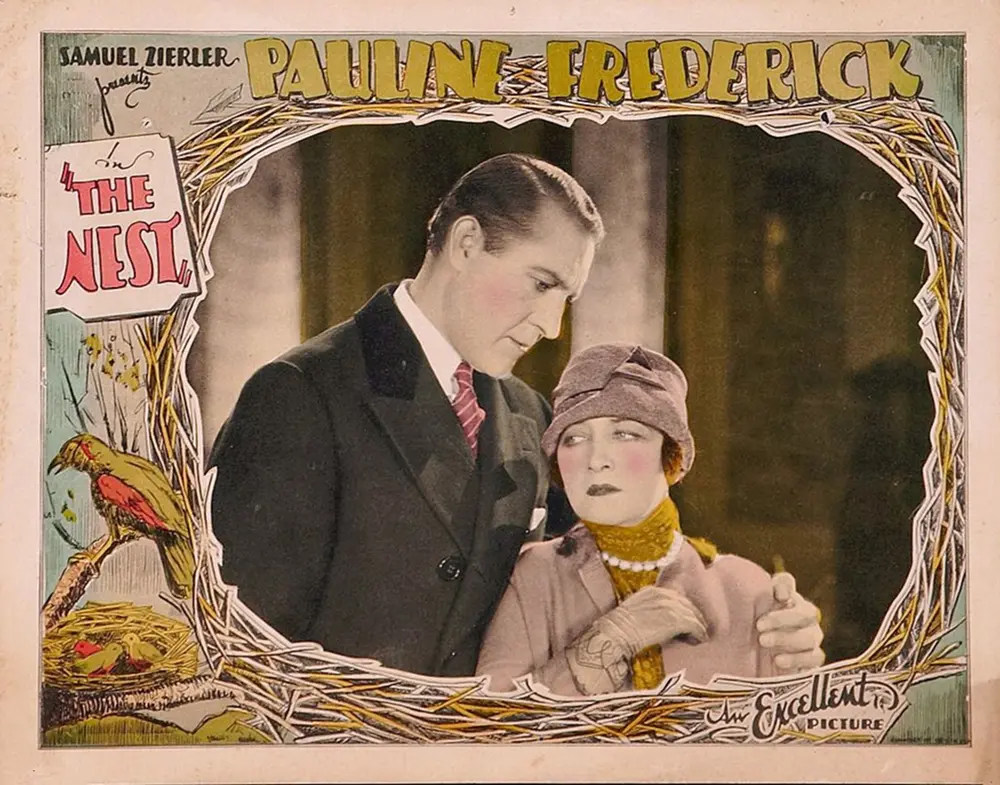
The visual language of The Nest is defined by its use of shadows and framing, a hallmark of William Nigh's style. By utilizing a 1926-era palette, the film creates an immersive experience that perfectly complements its Drama themes.
| Cinematography | Handheld |
| Soundtrack | Minimalist |
| Editing | Slow-Burn |
| Art Direction | Brutalist |
Visualizing the convergence of William Nigh's style and the core Drama narrative.
Following the death of Archer Hamilton, Richard Elliott, his best friend and executor of the estate, resumes his boyhood courtship of Mrs. Hamilton, who finds her daughter, Susan, and son, Martin, increasingly unmanageable. When Susan elopes with her sweetheart, Mrs. Hamilton reconciles herself to the situation, but she realizes her daughter's selfishness when she finds herself unwanted in the newlyweds' apartment. Mrs. Hamilton goes to Paris and returns transformed into a vivacious flapper; she pretends to take an interest in night life and appears to such an advantage that she excites the jealousy of Martin's girl, Belle, who has been luring him into a gambling establishment where he has lost a large sum of borrowed and illegally obtained money. Mrs. Hamilton tries to come to terms with Belle's friends; Elliott then comes to her rescue, and taking matters into his hands, he offers Martin a job to pay off his debts and puts Susan in her place. He and Mrs. Hamilton are happily married.
Decades after its release, The Nest remains a vital piece of the cinematic puzzle. Its influence can be seen in countless modern works, solidifying William Nigh's status as a master of the craft in United States and beyond.