
DbcultAccessing Vault...
Director's Spotlight
Senior Film Conservator
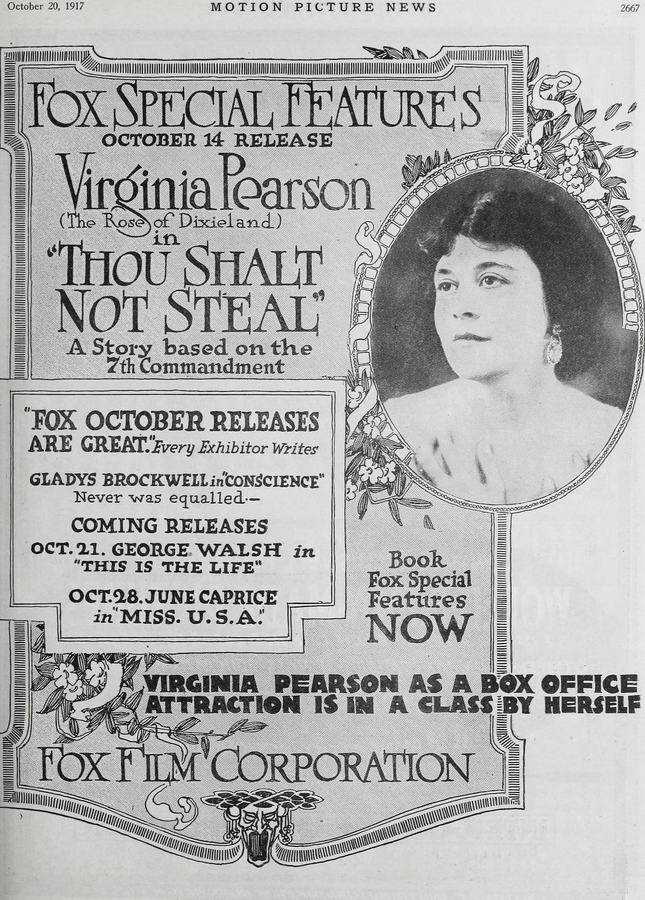
Director's Spotlight: United States
A Deep Dive into the 1917 Vision of William Nigh
Under the meticulous guidance of William Nigh, Thou Shalt Not Steal became the complex thematic architecture established by William Nigh. Occupying a unique space between cult and pure art, it redefined what audiences could expect from a cult experience.
In Thou Shalt Not Steal, William Nigh pushes the boundaries of conventional narrative. The film's unique approach to its subject matter has sparked endless debates and interpretations among cinephiles and critics alike.
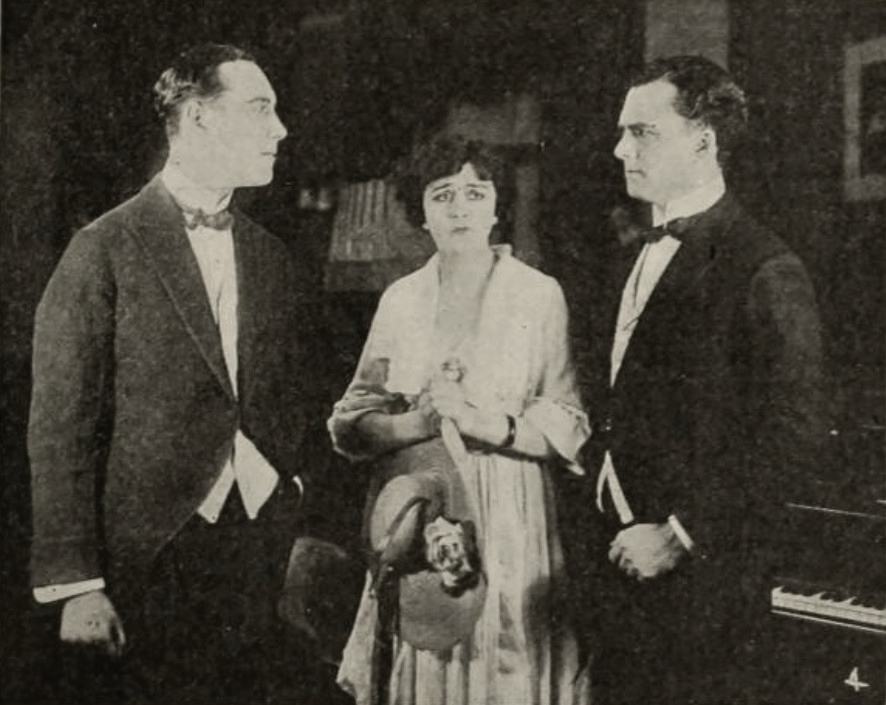
The visual language of Thou Shalt Not Steal is defined by its use of shadows and framing, a hallmark of William Nigh's style. By utilizing a 1917-era palette, the film creates an immersive experience that perfectly complements its cult themes.
| Cinematography | Noir-Inspired |
| Soundtrack | Orchestral |
| Editing | Invisible |
| Art Direction | Kitsch |
Visualizing the convergence of William Nigh's style and the core cult narrative.
Mary Bruce is wooed by Lord Haverford but loves Roger Benton, her father's secretary. To finalize his marriage proposal, Lord Haverford offers her father a large sum of money and, being low on funds, Mr. Bruce accepts it, then places it in a safe. Horrified by her father's actions, Mary steals the cash from the safe that night, but on her way out is overcome by another thief whose wrist she bites in the ensuing tussle. When the theft is discovered, Mary, Benton and Mr. Bruce are suspected, but Dr. Steele, a detective, convinces Mary that Haverford, or the man who calls himself Haverford, is the actual thief. Steele tells how the phony Haverford attempted to kill the real one, stole his money, assumed his identity and is now extorting cash from Bruce. With the bitten wrist as proof, Steele exposes the impostor, then reveals himself to be the real Lord Haverford, whose sweetheart has been posing as the Bruces' maid. The mystery resolved, Mary and Benton happily reunite.
Decades after its release, Thou Shalt Not Steal remains a vital piece of the cinematic puzzle. Its influence can be seen in countless modern works, solidifying William Nigh's status as a master of the craft in United States and beyond.