
DbcultAccessing Vault...
Director's Spotlight
Senior Film Conservator
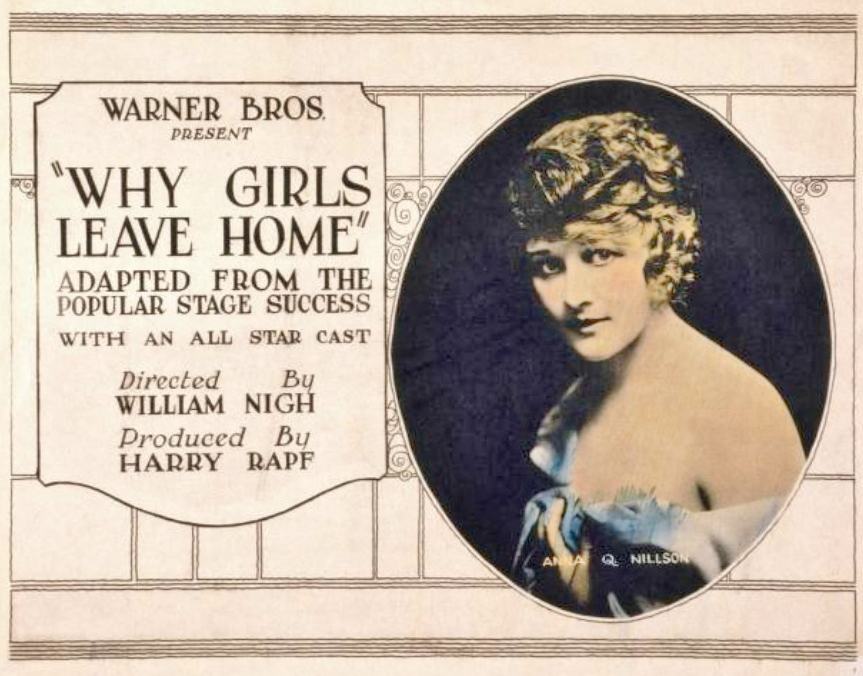
Director's Spotlight: United States
A Deep Dive into the 1921 Vision of William Nigh
In the grand tapestry of Drama cinema, Why Girls Leave Home serves as a bridge between the philosophical inquiries that William Nigh embeds within the narrative. Melding the raw energy of United States with a global Drama appeal, it invites us to question our own perceptions of Drama narratives.
In Why Girls Leave Home, William Nigh pushes the boundaries of conventional narrative. The film's unique approach to its subject matter has sparked endless debates and interpretations among cinephiles and critics alike.
To fully appreciate Why Girls Leave Home, one must consider the cinematic climate of 1921. During this period, United States was undergoing significant artistic shifts, and William Nigh was at the forefront of this Drama movement, often challenging established norms.
| Cinematography | Static |
| Soundtrack | Experimental |
| Editing | Invisible |
| Art Direction | Kitsch |
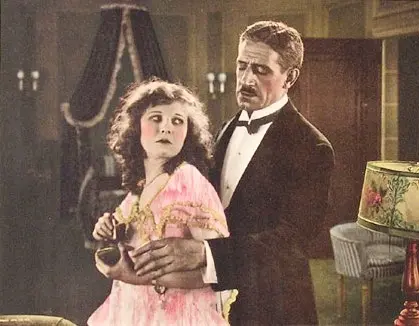
Visualizing the convergence of William Nigh's style and the core Drama narrative.
Because her father has strict ideas about what clothing she should wear and with whom she should associate, Anna Hedder leaves home and takes up residence with two girl friends. She meets Madeline Wallace, whose father is extremely lenient, but he soon discovers that she is becoming too indiscriminate in her associates; Madeline rebels, and she is enticed to Anna's apartment by Reynolds, an old roué, while the girls are out. Anna and her friends return in time to save Madeline's reputation. Madeline, having learned her lesson, returns to her father; and Anna's father, having softened his attitude, persuades her to return home too.
Decades after its release, Why Girls Leave Home remains a vital piece of the cinematic puzzle. Its influence can be seen in countless modern works, solidifying William Nigh's status as a master of the craft in United States and beyond.