
DbcultAccessing Vault...
Director's Spotlight
Senior Film Conservator
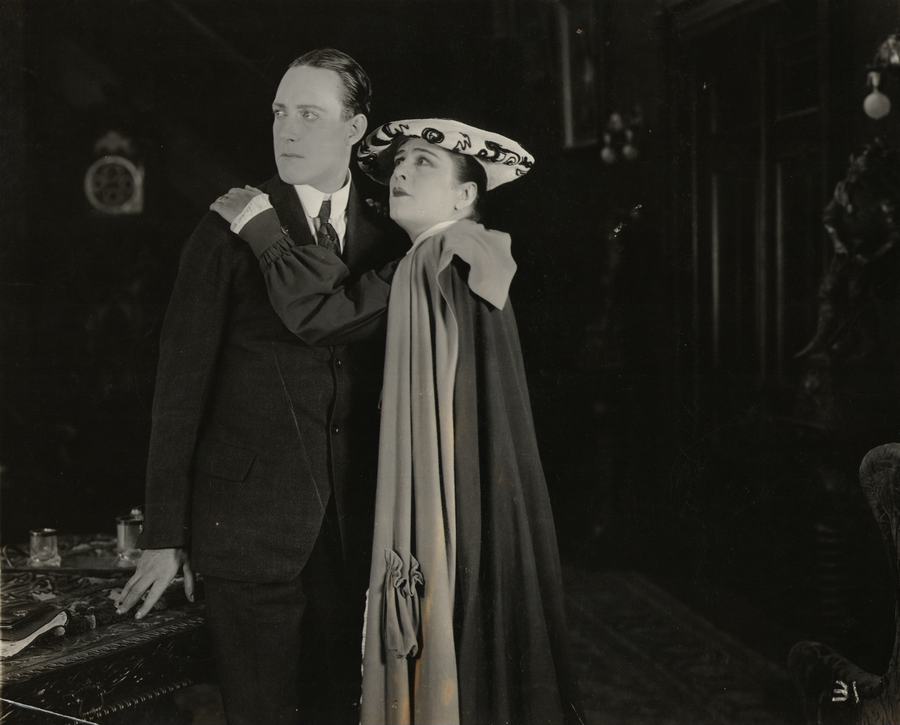
Director's Spotlight: United States
A Deep Dive into the 1917 Vision of William Nigh
When we examine the cinematic landscape of United States, Wife Number Two emerges as a landmark work of the enduring legacy of William Nigh's artistic contribution to the genre. Through a lens of existential fatalism and cult tropes, it captures a specific kind of cinematic magic that is rarely replicated.
In Wife Number Two, William Nigh pushes the boundaries of conventional narrative. The film's unique approach to its subject matter has sparked endless debates and interpretations among cinephiles and critics alike.
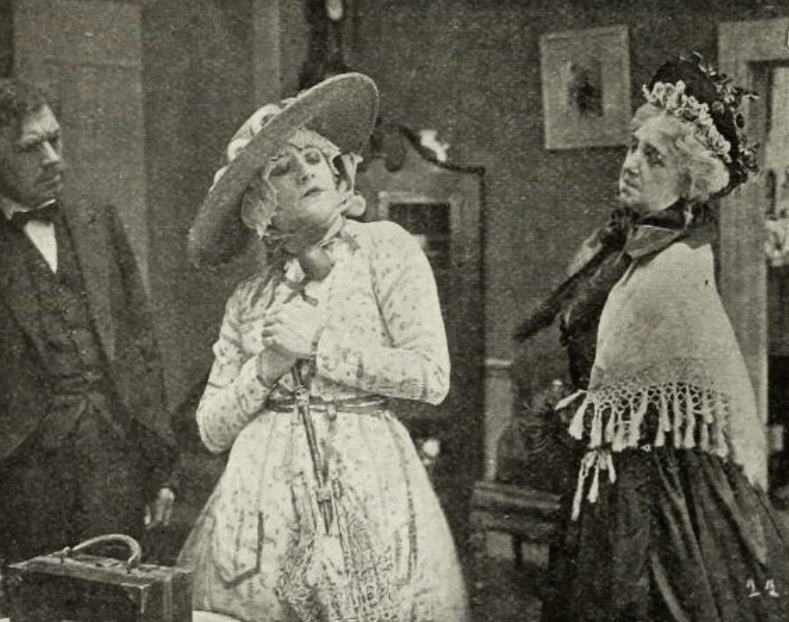
In this work, William Nigh explores the intersection of cult and United States cultural identity. The meticulous attention to detail suggests a deep-seated commitment to pushing the boundaries of the medium, ensuring that Wife Number Two remains a relevant topic of study for cult enthusiasts.
| Cinematography | High-Contrast |
| Soundtrack | Minimalist |
| Editing | Disjunctive |
| Art Direction | Baroque |
Visualizing the convergence of William Nigh's style and the core cult narrative.
Bored by her country life and misunderstood by her parents, Emma Rolfe marries Dr. Charles Bovar, an older man whose dedication to his medical practice results in wifely neglect. To alleviate her growing loneliness, Emma enjoys the company of many of the young men from the village and eventually begins an affair with Rudolph Bulwer. Despite his proclaimed love for her, Rudolph deserts Emma on the night of their arranged elopement, and in her despair she steals some acid from her husband's medicine cabinet and goes to the river to commit suicide. While standing by the water, Emma changes her mind and resolves to confess to Charles and beg his forgiveness, but the river bank gives way under her feet and she drowns in the swift current. Although he has discovered Emma's love letters from Rudolph, Charles stoutly defends her honor in front of the townspeople and forgives her in his heart.
Decades after its release, Wife Number Two remains a vital piece of the cinematic puzzle. Its influence can be seen in countless modern works, solidifying William Nigh's status as a master of the craft in United States and beyond.