
DbcultAccessing Vault...
Director's Spotlight
Senior Film Conservator
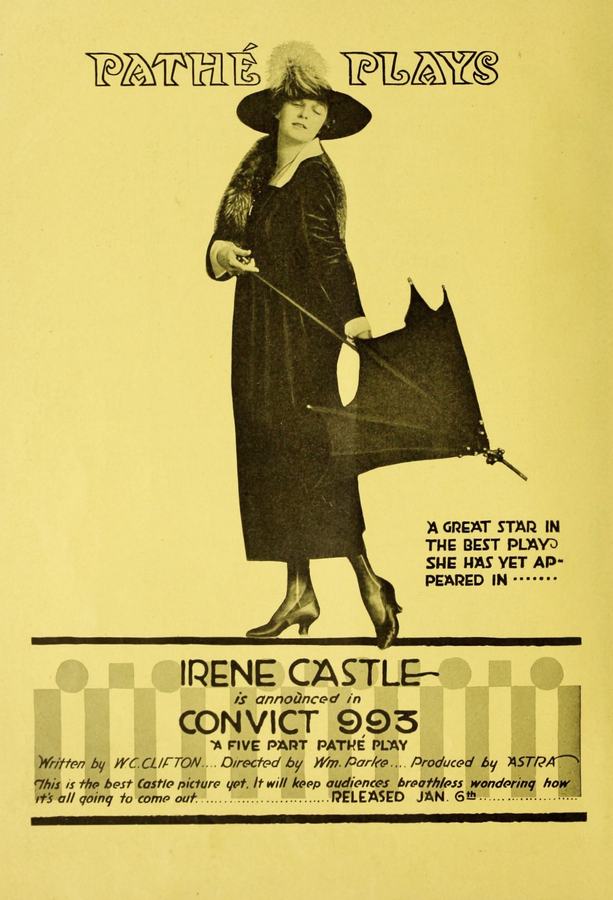
Director's Spotlight: United States
A Deep Dive into the 1918 Vision of William Parke
The brilliance of Convict 993 (1918) is inseparable from a monumental shift in cult filmmaking spearheaded by William Parke. Occupying a unique space between cult and pure art, it serves as a blueprint for future generations of cult directors.
In Convict 993, William Parke pushes the boundaries of conventional narrative. The film's unique approach to its subject matter has sparked endless debates and interpretations among cinephiles and critics alike.
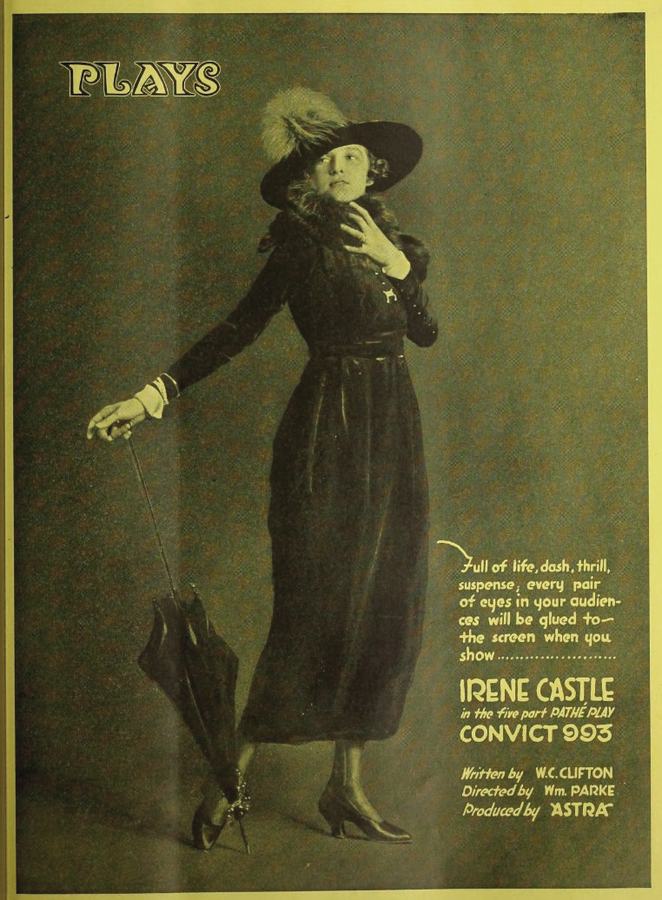
In this work, William Parke explores the intersection of cult and United States cultural identity. The meticulous attention to detail suggests a deep-seated commitment to pushing the boundaries of the medium, ensuring that Convict 993 remains a relevant topic of study for cult enthusiasts.
| Cinematography | Static |
| Soundtrack | Minimalist |
| Editing | Disjunctive |
| Art Direction | Baroque |
Visualizing the convergence of William Parke's style and the core cult narrative.
Convict 993 Roslyn Ayre, breaks out of prison, leaving her envious cellmate, Neva Stokes, behind. Roslyn settles into an affluent new life and is wooed by the wealthy Rodney Travers. After Neva is released from prison, she and gang leader Dan Mallory blackmail Roslyn into robbing the guests attending a reception at her home. Roslyn steals the jewels and then makes a deal with Mallory to double-cross the gang and escape together. The gang learns of this, and when they demand their share, Roslyn reveals that she has been a Secret Service agent from the first and turns the gang over to the law.
Decades after its release, Convict 993 remains a vital piece of the cinematic puzzle. Its influence can be seen in countless modern works, solidifying William Parke's status as a master of the craft in United States and beyond.