
DbcultAccessing Vault...
Director's Spotlight
Senior Film Conservator
Director's Spotlight: United States
A Deep Dive into the 1917 Vision of William Parke
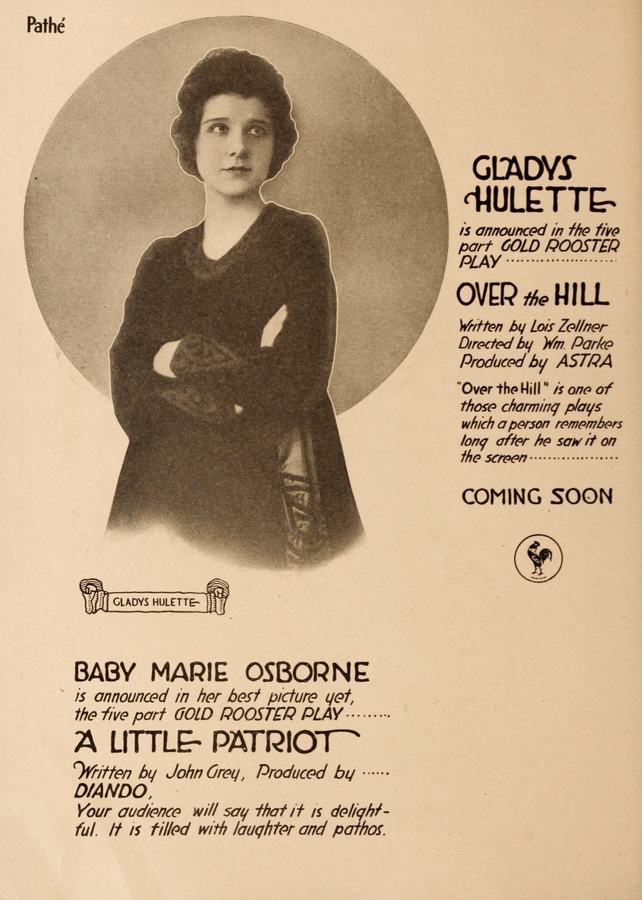
Witnessing the stylistic transformation of cult through Over the Hill reveals the provocative questions that William Parke poses to the United States audience. Exploring the nuances of the human condition with cult flair, it showcases the power of cult as a tool for social commentary.
In Over the Hill, William Parke pushes the boundaries of conventional narrative. The film's unique approach to its subject matter has sparked endless debates and interpretations among cinephiles and critics alike.
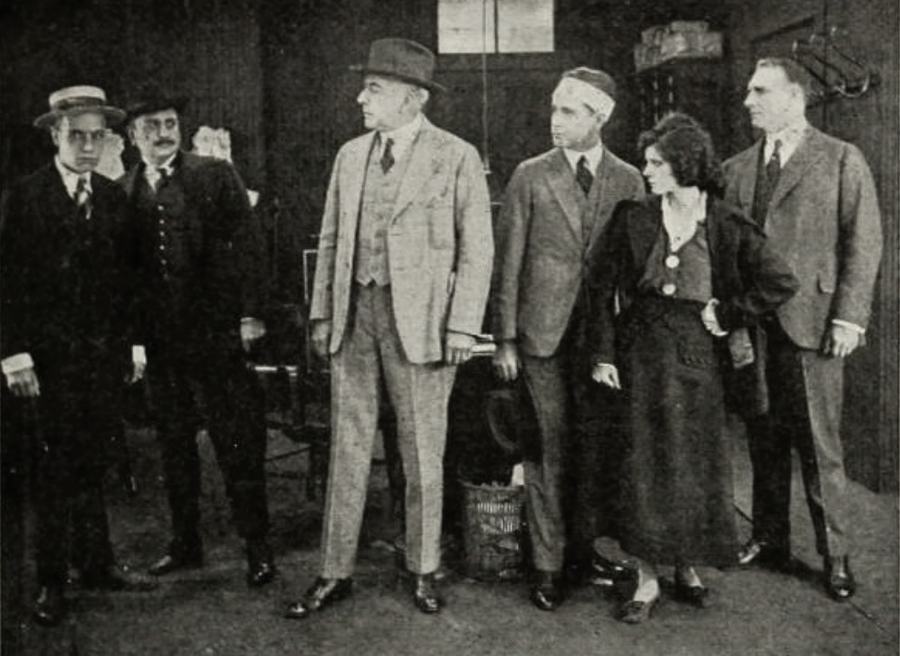
In this work, William Parke explores the intersection of cult and United States cultural identity. The meticulous attention to detail suggests a deep-seated commitment to pushing the boundaries of the medium, ensuring that Over the Hill remains a relevant topic of study for cult enthusiasts.
| Cinematography | Deep Focus |
| Soundtrack | Synth-Heavy |
| Editing | Disjunctive |
| Art Direction | Baroque |
Visualizing the convergence of William Parke's style and the core cult narrative.
Amos Winthrop, owner of the Winthrop newspaper syndicate of "yellow" journals, delights in posing as the patron of ambitious youth, and he appoints Allan Stone as business manager of the "Daily Pioneer" at Columbia. The Rev. Timothy Neal, compelled to resign his pastorate because of advancing years, arrives with his granddaughter Esther in Columbia, where the minister hopes to make a living selling books. The one failure in Amos Winthrop's life is his pampered son Roy; he sends him to Columbia to work as a reporter on the "Daily Pioneer" staff. Rev. Neal takes many and varied lessons in the gentle art of book-agenting but success does not come to him and Esther is at her wits' end trying to instruct her grandfather how to approach strangers. Their little store of savings dwindles. Jim Barnes is editor of the "Daily Pioneer" and he delights in applying big-city methods to a small-town paper. He prints sensational stories and is supported in his methods by young Winthrop. Stone, on the other hand, asserts that scandal about people kills advertising prospects. The owner of Columbia's largest department store is Henry Lawlor, and the Daily Pioneer advertising staff longs to secure Lawlor to an advertising contract. Pneumonia attacks Rev. Neal and he passes away, leaving Esther alone in the world. She has met both Allan Stone and Roy Winthrop. The time comes when the only hope of the "Daily Pioneer" is the Lawlor advertising contract. There is an agreement that if the paper fails to make a stipulated showing before a specified date, Allan Stone and Jim Barnes shall forfeit all claim to their respective shares of stock in said paper. Young Winthrop antagonizes Lawlor and it seems that the contract is lost. He prepares a story dealing with the purported elopement of Lawlor's daughter and the same is set in type. Esther, considering it a "spite story," burns the entire edition of the "Daily Pioneer," thus preventing the story from being read; she thus earns the gratitude of Lawlor, who gives the paper the advertising patronage. Amos Winthrop, summoned to Columbia, appreciates his son's foolishness and orders him to leave Columbia and return home where the father can keep an eye on the boy. Stone wins an allotment of stock in the "Daily Pioneer" and wins Esther for his bride.
Decades after its release, Over the Hill remains a vital piece of the cinematic puzzle. Its influence can be seen in countless modern works, solidifying William Parke's status as a master of the craft in United States and beyond.