
DbcultAccessing Vault...
Director's Spotlight
Senior Film Conservator
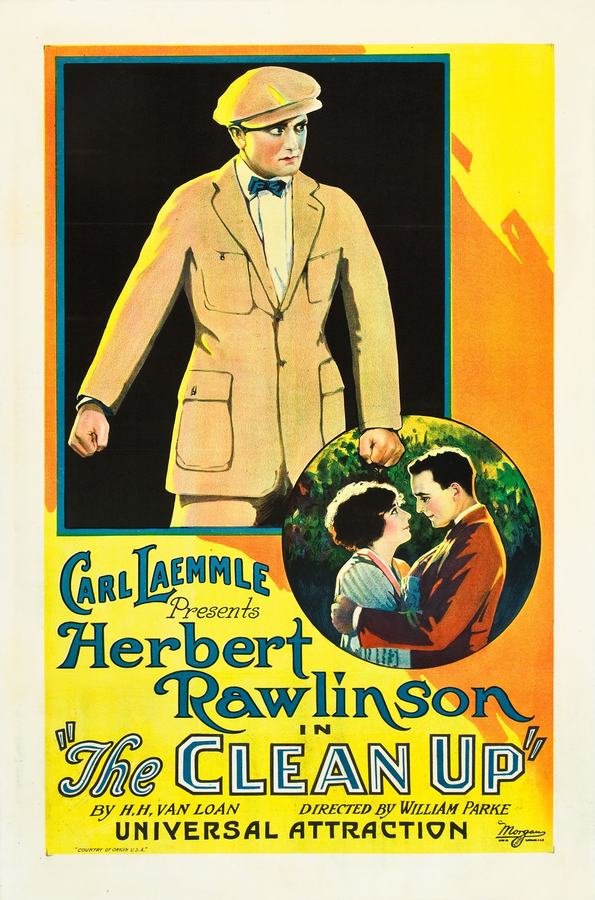
Director's Spotlight: United States
A Deep Dive into the 1923 Vision of William Parke
The artistic breakthrough represented by The Clean-Up in 1923 highlights the uncompromising vision of William Parke that defines this Comedy masterpiece. In the context of United States's rich cinematic history, it captures a specific kind of cinematic magic that is rarely replicated.
In The Clean-Up, William Parke pushes the boundaries of conventional narrative. The film's unique approach to its subject matter has sparked endless debates and interpretations among cinephiles and critics alike.
While deeply rooted in United States, The Clean-Up has achieved a global reach, influencing directors from various backgrounds. Its ability to translate Comedy tropes into a universal cinematic language is why it remains a cult staple decades after its 1923 release.
| Cinematography | Deep Focus |
| Soundtrack | Experimental |
| Editing | Elliptical |
| Art Direction | Expressionist |
Visualizing the convergence of William Parke's style and the core Comedy narrative.
Monte Bixby's grandfather leaves a will providing each native-born citizen of his small town with $50,000 while giving Monte one dollar. Monte's society fiancée, Mary Reynolds, abandons him, but grandfather Bixby's pretty young secretary, Phyllis Andrews, resolves to help him. Meanwhile life in the town is chaotic as the legatees begin to spend their money. Monte becomes concerned, appoints himself mayor, and restores order. Finally he learns that his inheritance was a trick to teach him the value of money. A real fortune awaits him, and he wins Phyllis.
Decades after its release, The Clean-Up remains a vital piece of the cinematic puzzle. Its influence can be seen in countless modern works, solidifying William Parke's status as a master of the craft in United States and beyond.