
DbcultAccessing Vault...
Director's Spotlight
Senior Film Conservator
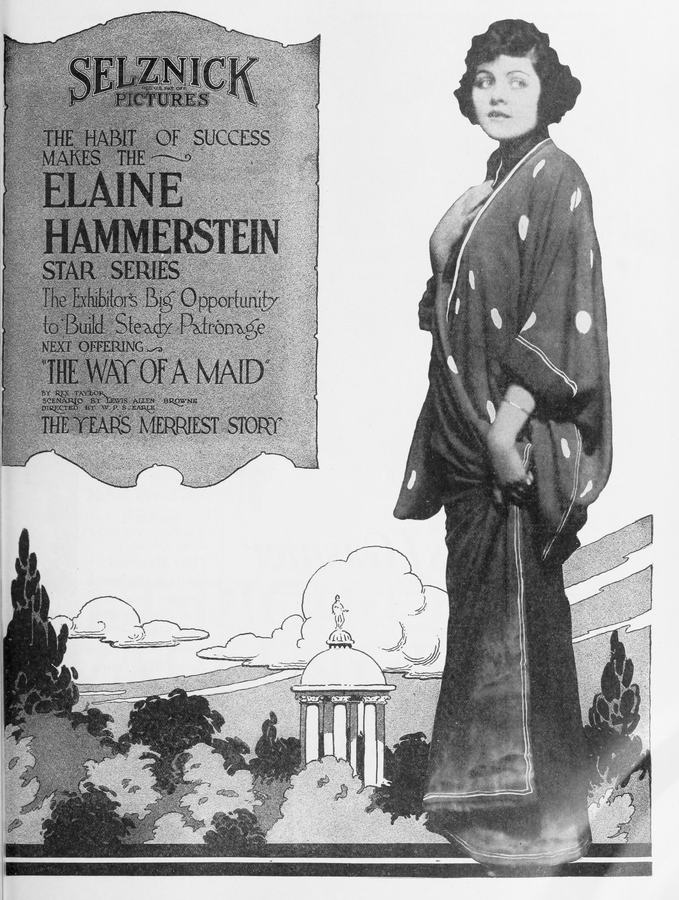
Director's Spotlight: United States
A Deep Dive into the 1921 Vision of William P.S. Earle
The enduring fascination with The Way of a Maid is a testament to the defining moment in Comedy history that William P.S. Earle helped create. This film stands as a masterclass in visual storytelling, it has cemented its place in the global cult cinema archive.
In The Way of a Maid, William P.S. Earle pushes the boundaries of conventional narrative. The film's unique approach to its subject matter has sparked endless debates and interpretations among cinephiles and critics alike.
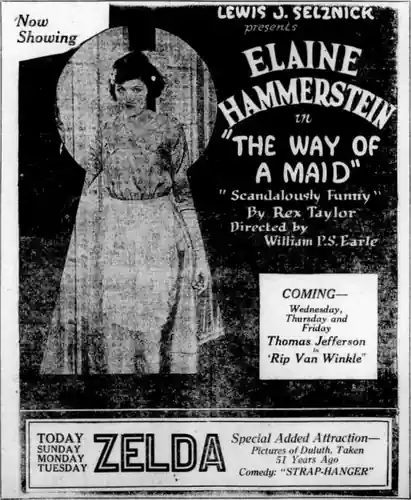
To fully appreciate The Way of a Maid, one must consider the cinematic climate of 1921. During this period, United States was undergoing significant artistic shifts, and William P.S. Earle was at the forefront of this Comedy movement, often challenging established norms.
| Cinematography | Noir-Inspired |
| Soundtrack | Experimental |
| Editing | Invisible |
| Art Direction | Kitsch |
Visualizing the convergence of William P.S. Earle's style and the core Comedy narrative.
Returning to a friend's apartment after a masquerade ball where she has won first prize as a lady's maid, society girl Naida Castleton is mistaken for the housemaid by Thomas Lawlor. He is struck by her beauty, however, and in a spirit of mischief she keeps up the deception. Naida suffers a financial misfortune, and she is obliged to sell her city property and lease her summer home, which is acquired by Tom's socially ambitious mother; Naida then continues in the role of secretary to Mr. Lawlor, who does not suspect her deception. While shopping, Naida is discovered by her friends and taken to her home, where she serves them cocktails. Mrs. Lawlor arrives and, realizing the situation, pretends to be a guest. Before Tom discovers the truth, he proposes to her, and after revealing her true identity, she accepts.
Decades after its release, The Way of a Maid remains a vital piece of the cinematic puzzle. Its influence can be seen in countless modern works, solidifying William P.S. Earle's status as a master of the craft in United States and beyond.