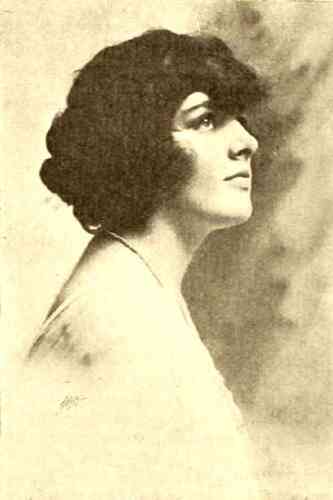
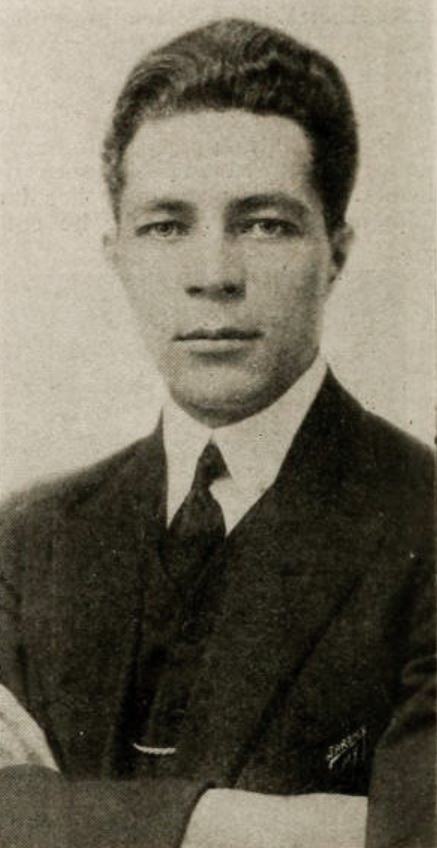
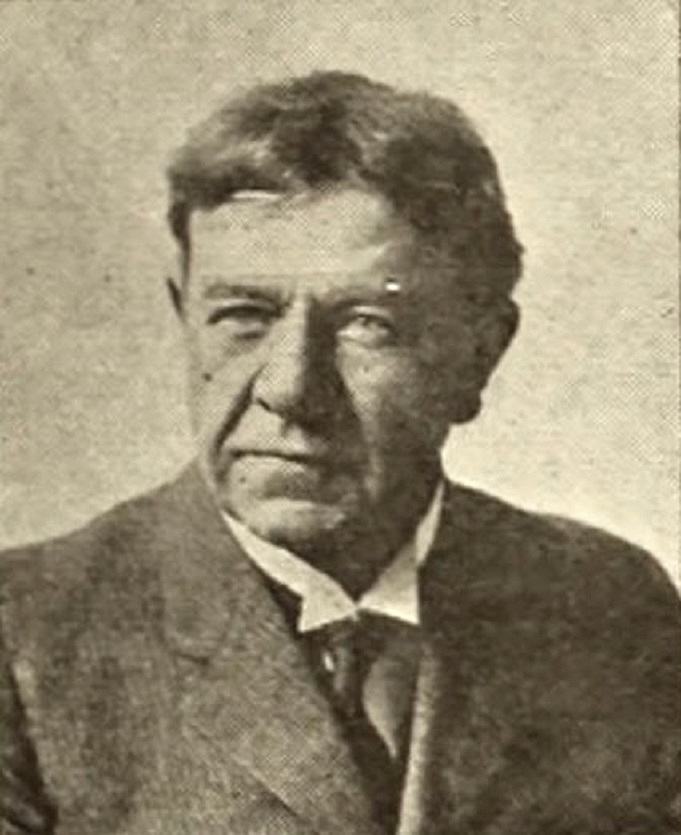
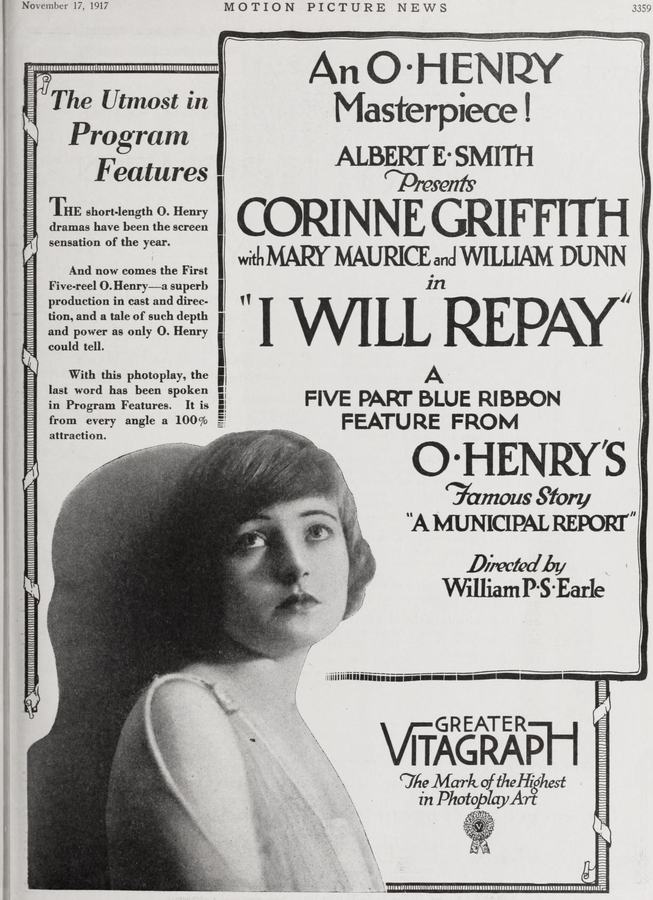
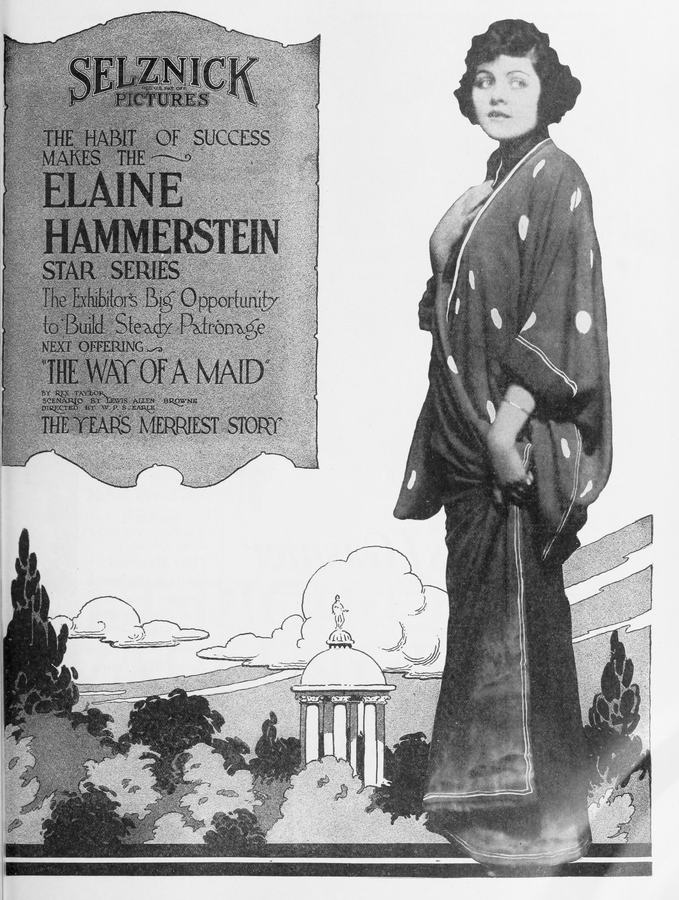
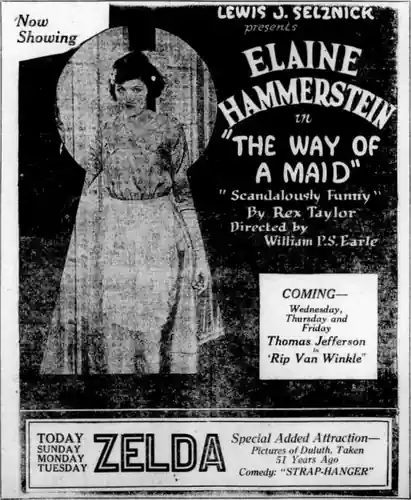
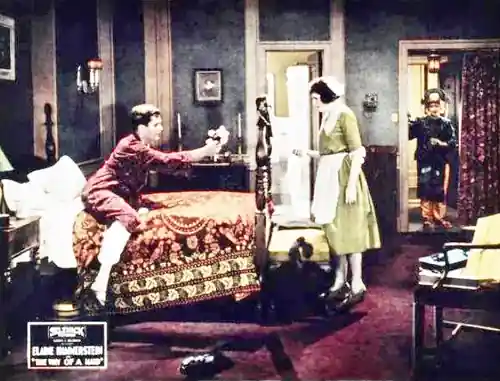
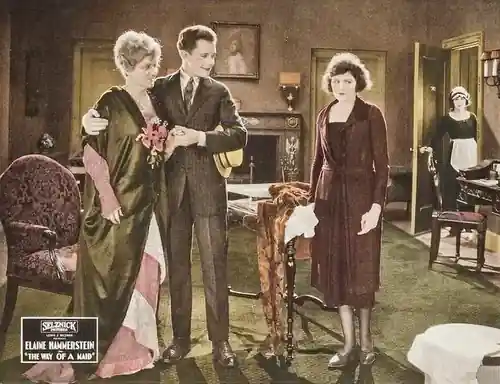
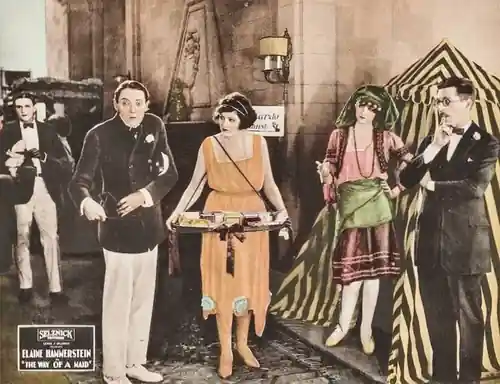
Returning to a friend's apartment after a masquerade ball where she has won first prize as a lady's maid, society girl Naida Castleton is mistaken for the housemaid by Thomas Lawlor. He is struck by her beauty, however, and in a spirit of mischief she keeps up the deception.
A Review by [Your Name] Decoding the Masquerade of Identity in Lewis Allen Browne’s Silent Masterpiece In an age when Hollywood’s golden era was still a gleam in the eye of future historians, The Way of a Maid emerged as a sly, subversive gem that defied the didacticism of its contemporaries. Directed b...
production_art
still_frame
still_frame
still_frame
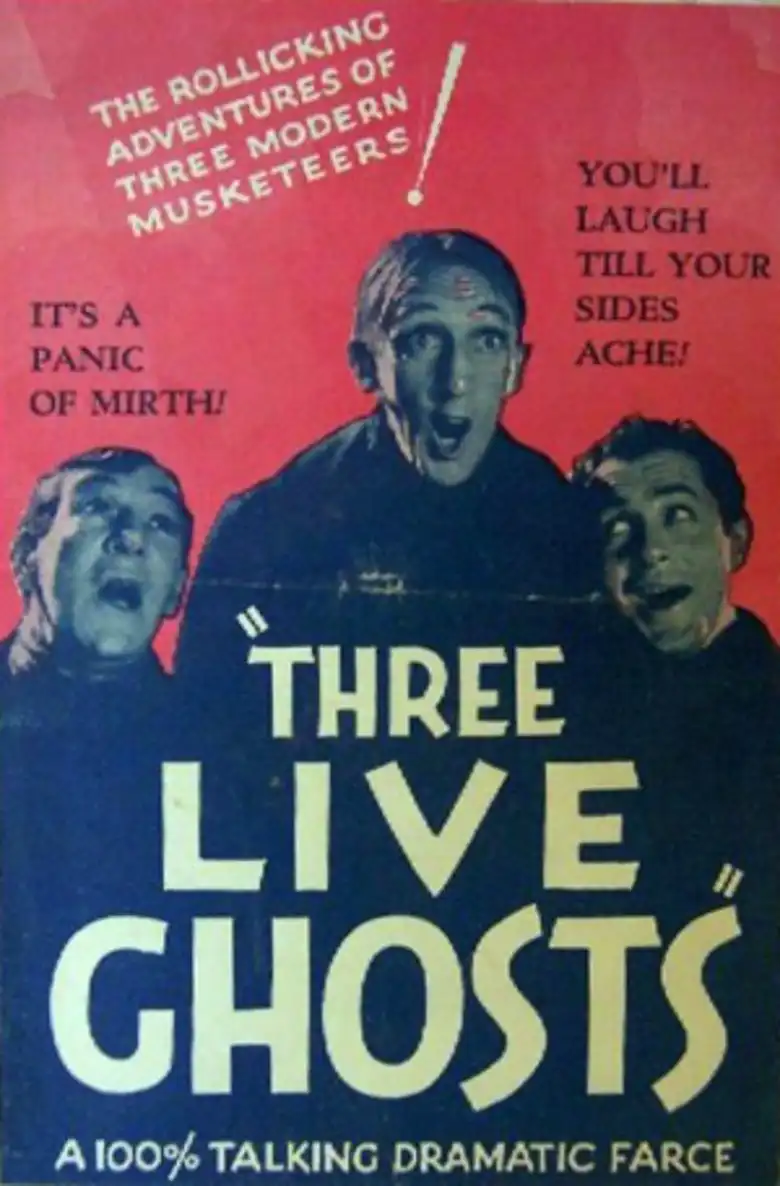
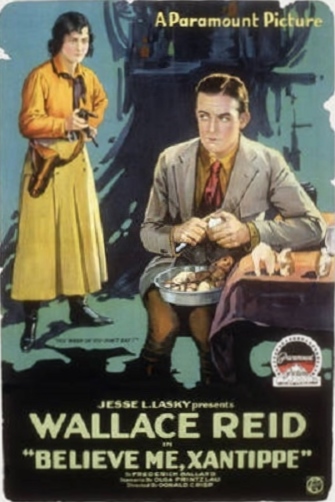
Comparing the cinematic DNA and archive impact of two defining moments in cult history.
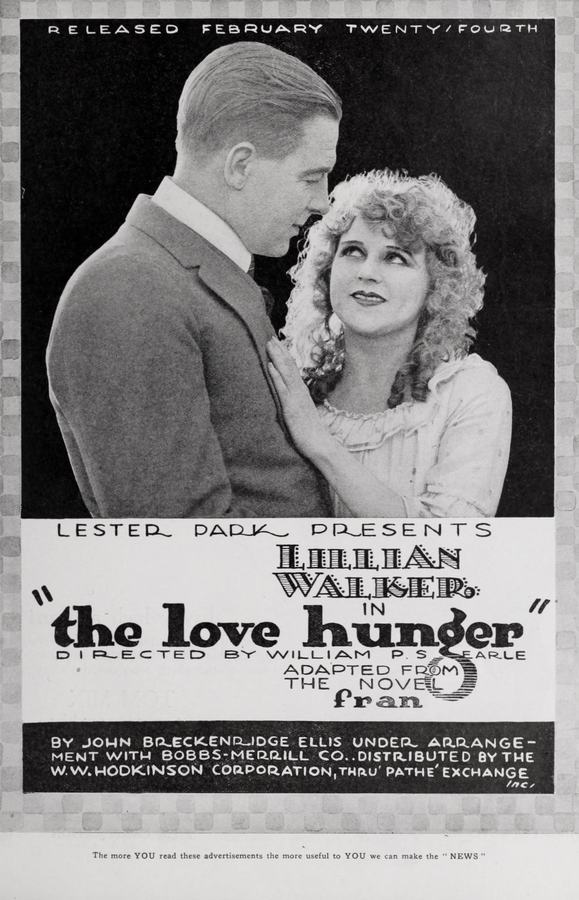
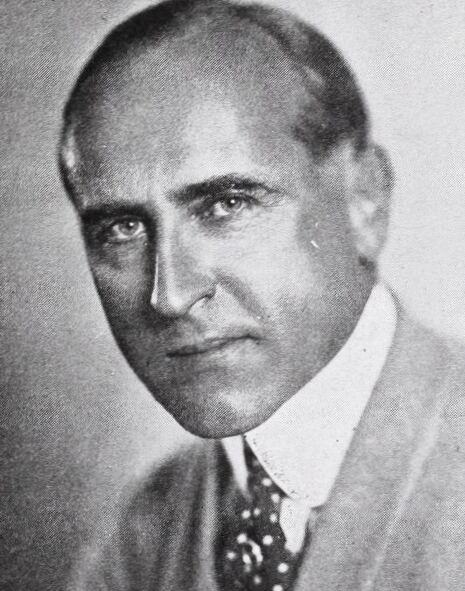
William P.S. Earle
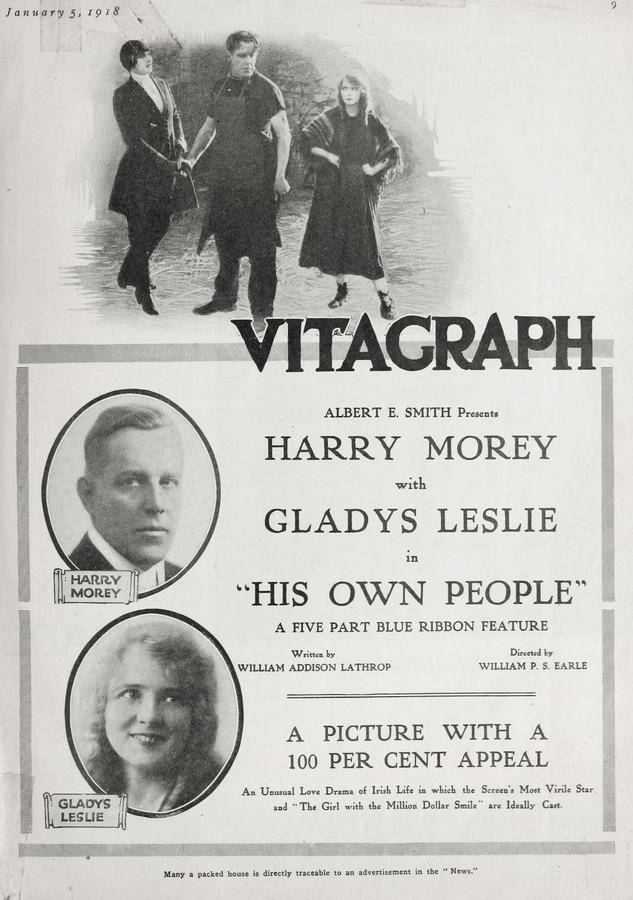
William P.S. Earle
Community
Log in to comment.
" A Review by [Your Name] Decoding the Masquerade of Identity in Lewis Allen Browne’s Silent Masterpiece In an age when Hollywood’s golden era was still a gleam in the eye of future historians, The Way of a Maid emerged as a sly, subversive gem that defied the didacticism of its contemporaries. Directed by Lewis Allen Browne and scripted by the ever-reliable Rex Taylor, this 1926 silent film is less a mere melodrama and more a psychological study of class, agency, and the performat..."
George Fawcett
Lewis Allen Browne, Rex Taylor
United States
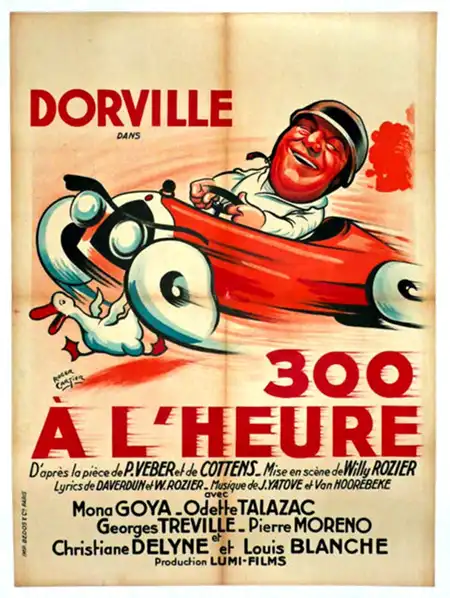
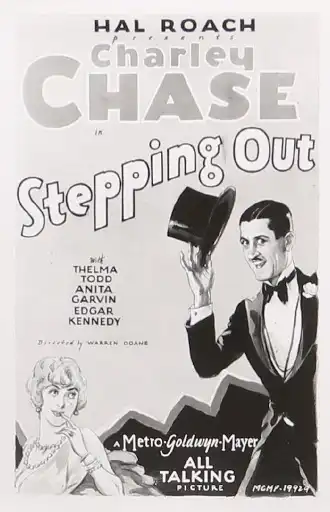
Deep dive into the cult classic
Discover similar cinematic experiences
A Directorial Spotlight on William P.S. Earle