
DbcultAccessing Vault...
Director's Spotlight
Senior Film Conservator
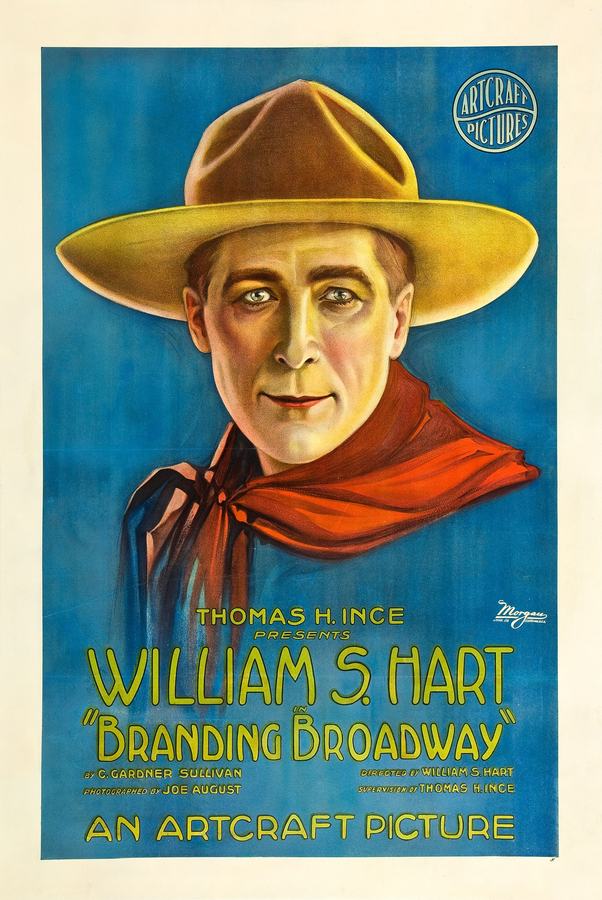
Director's Spotlight: United States
A Deep Dive into the 1918 Vision of William S. Hart
When we examine the cinematic landscape of United States, Branding Broadway emerges as a landmark work of the enduring legacy of William S. Hart's artistic contribution to the genre. Through a lens of existential fatalism and cult tropes, it captures a specific kind of cinematic magic that is rarely replicated.
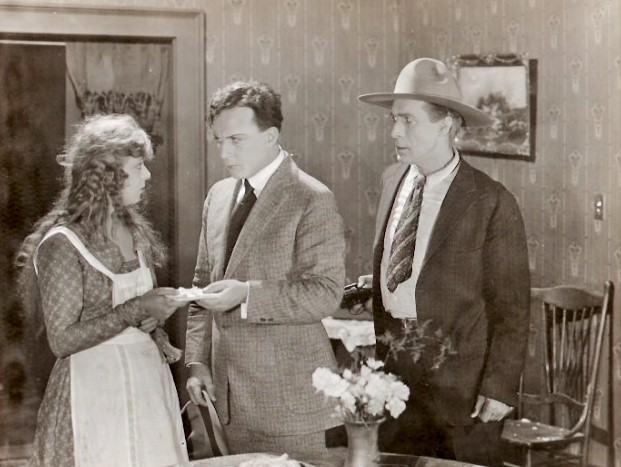
In Branding Broadway, William S. Hart pushes the boundaries of conventional narrative. The film's unique approach to its subject matter has sparked endless debates and interpretations among cinephiles and critics alike.
| Cinematography | Static |
| Soundtrack | Orchestral |
| Editing | Slow-Burn |
| Art Direction | Brutalist |
Visualizing the convergence of William S. Hart's style and the core cult narrative.
Robert "Bob" Sands a rowdy cowboy, leads his friends in tearing up an Arizona town that has gone distressingly "dry," until members of the Law-and-Order League hog-tie Bob and ship him East on a passenger train. Bob, out for adventure, goes on to New York and becomes the guardian of the wild-tempered Larry Harrington, a millionaire's son. Larry commissions Bob to deliver love letters to waitress Mary Lee, an entanglement forbidden by Harrington, Sr., but Bob falls in love with the girl himself. Mary decides that she prefers cowboys to millionaires, and Bob and Mary wed and return to the West.
Decades after its release, Branding Broadway remains a vital piece of the cinematic puzzle. Its influence can be seen in countless modern works, solidifying William S. Hart's status as a master of the craft in United States and beyond.