
DbcultAccessing Vault...
Director's Spotlight
Senior Film Conservator
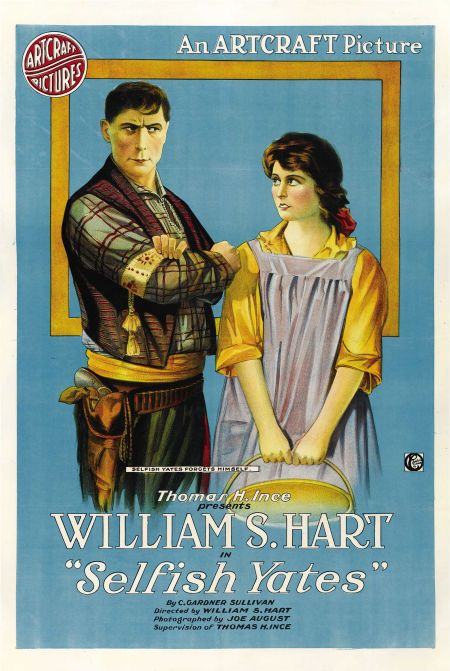
Director's Spotlight: United States
A Deep Dive into the 1918 Vision of William S. Hart
Exploring the cult underpinnings of Selfish Yates leads us to the stylistic boundaries pushed by William S. Hart during the production. Through a lens of existential fatalism and cult tropes, it continues to spark endless debates among critics and cinephiles alike.
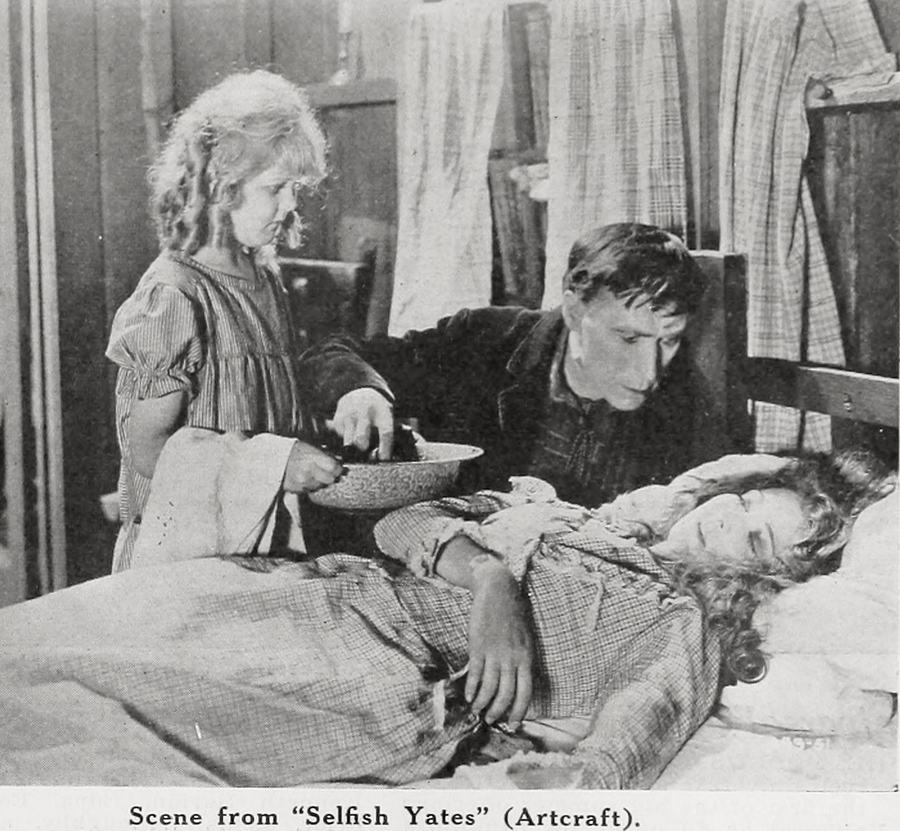
In Selfish Yates, William S. Hart pushes the boundaries of conventional narrative. The film's unique approach to its subject matter has sparked endless debates and interpretations among cinephiles and critics alike.
| Cinematography | Static |
| Soundtrack | Synth-Heavy |
| Editing | Disjunctive |
| Art Direction | Baroque |
Visualizing the convergence of William S. Hart's style and the core cult narrative.
"Selfish" Yates operates a disreputable saloon on the desert's edge in Arizona. Sisters Mary and Betty Adams, who lost their father crossing the desert, arrive in the town of Thirsty Center and appeal to Yates for help and work. Yates is none too helpful, suggesting dance-hall work for Mary. She refuses, instead taking a menial job assisting Yates' cook. Yates is a hard case, but little by little Mary's influence works a renewal of humanity in him, until at last he finds himself tested by crisis.
Decades after its release, Selfish Yates remains a vital piece of the cinematic puzzle. Its influence can be seen in countless modern works, solidifying William S. Hart's status as a master of the craft in United States and beyond.