
DbcultAccessing Vault...
Director's Spotlight
Senior Film Conservator
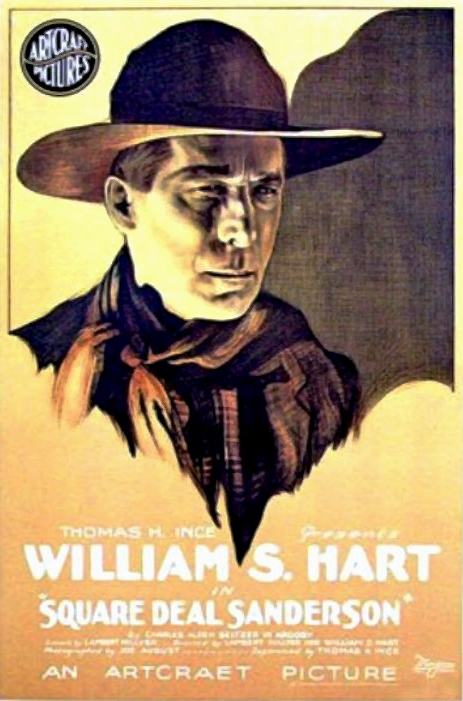
Director's Spotlight: United States
A Deep Dive into the 1919 Vision of William S. Hart
Deciphering the layers of Square Deal Sanderson (1919) reveals the complex thematic architecture established by William S. Hart. Utilizing a 1919-specific aesthetic that remains timeless, it stands as the definitive 1919 statement on cult identity.
In Square Deal Sanderson, William S. Hart pushes the boundaries of conventional narrative. The film's unique approach to its subject matter has sparked endless debates and interpretations among cinephiles and critics alike.
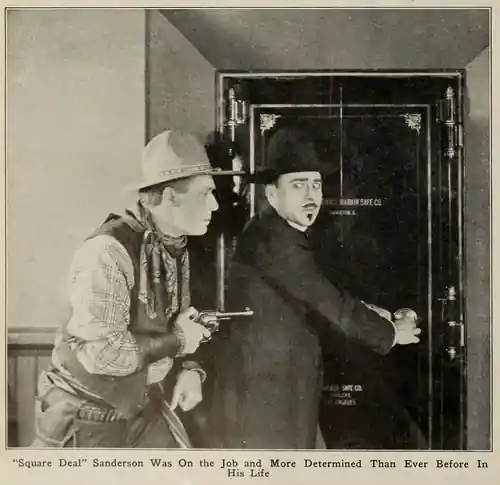
While deeply rooted in United States, Square Deal Sanderson has achieved a global reach, influencing directors from various backgrounds. Its ability to translate cult tropes into a universal cinematic language is why it remains a cult staple decades after its 1919 release.
| Cinematography | Static |
| Soundtrack | Diegetic |
| Editing | Elliptical |
| Art Direction | Expressionist |
Visualizing the convergence of William S. Hart's style and the core cult narrative.
In "Arizona's yesterday," Square Deal Sanderson finds a letter on a dead horse thief from his sister Mary Bransford, whose New Mexico ranch is being threatened by Alva Dale, who owns the nearby town. Pretending to be Mary's brother, Sanderson prevents the hanging of Barney Owen, a drifter who has helped Mary. Dale has the crooked sheriff arrest Sanderson, but he escapes with Owen's help. After three thousand of Mary's cattle and three cowboys die when Dale poisons a watering hole, Sanderson makes the banker, in league with Dale, pay $90,000. Sanderson shoots two of Dale's men in a barroom fight, but then is captured at Mary's ranch. Bound up while Dale attempts to rape Mary in an adjoining room, Sanderson inches his chair to a stove, burns his ropes, and then lassoes Dale through the transom and hangs him until he nearly dies. Owen reveals himself as Mary's brother, while Sanderson, taking Dale to Arizona on a warrant, promises to return to Mary.
Decades after its release, Square Deal Sanderson remains a vital piece of the cinematic puzzle. Its influence can be seen in countless modern works, solidifying William S. Hart's status as a master of the craft in United States and beyond.