
DbcultAccessing Vault...
Director's Spotlight
Senior Film Conservator
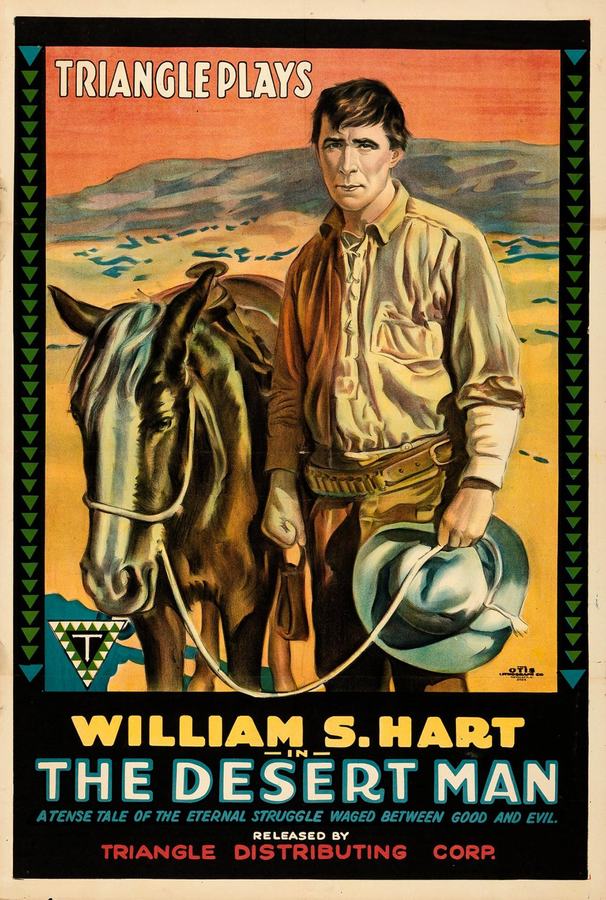
Director's Spotlight: United States
A Deep Dive into the 1917 Vision of William S. Hart
Peeling back the layers of William S. Hart's The Desert Man exposes the technical innovation that William S. Hart introduced to the cult format. Driven by an uncompromising commitment to cult excellence, it stands as the definitive 1917 statement on cult identity.
In The Desert Man, William S. Hart pushes the boundaries of conventional narrative. The film's unique approach to its subject matter has sparked endless debates and interpretations among cinephiles and critics alike.
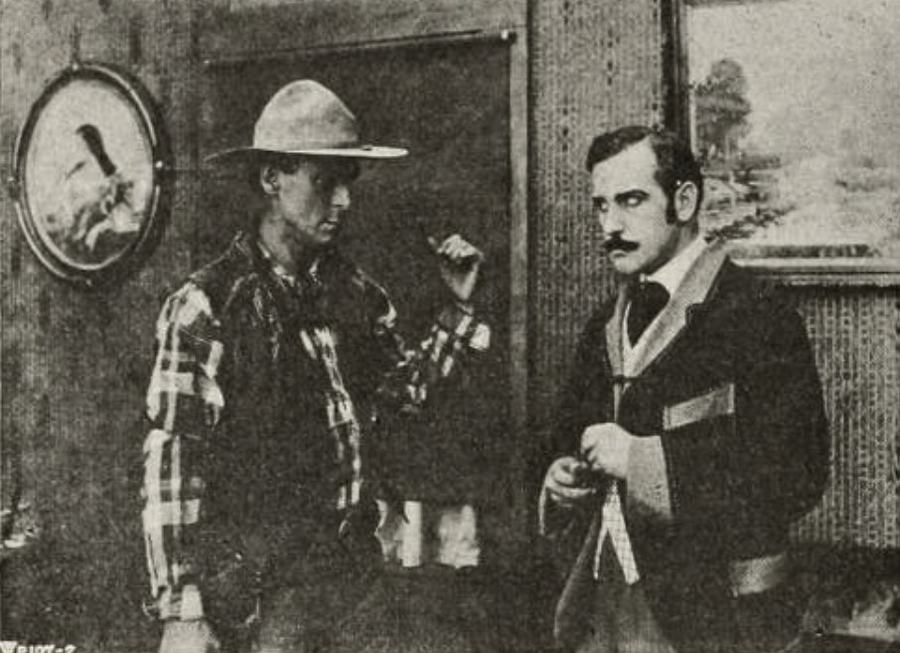
The visual language of The Desert Man is defined by its use of shadows and framing, a hallmark of William S. Hart's style. By utilizing a 1917-era palette, the film creates an immersive experience that perfectly complements its cult themes.
| Cinematography | Handheld |
| Soundtrack | Synth-Heavy |
| Editing | Rhythmic |
| Art Direction | Naturalist |
Visualizing the convergence of William S. Hart's style and the core cult narrative.
Prospector Jim Alton stumbles upon a dying woman, while traveling across the desert, she implores him to care for her little boy Joey. Jim takes the boy to town, where he encounters Joey's brutal father, Razor Joe, and falls in love with Jennie, a young girl whose father is dying. After running Joe out of town, Jim settles down to make a home for Joey. Jim rides to the neighboring town to bring back Dr. Howard after Jennie's father takes a turn for the worse. Soon after, the old man dies and the doctor convinces Jennie to return to his home and marry him. Upon discovering that the doctor already has a wife in New York, Jennie leaves him, but, too proud to go home, accepts a position in a dance hall. Meanwhile, Razor Joe and his gang kidnap Joey. Jim follows, confronts them with his guns drawn, and rescues the boy. All ends well as Jim and Jennie are reunited and, together with Joey, begin life anew as a family.
Decades after its release, The Desert Man remains a vital piece of the cinematic puzzle. Its influence can be seen in countless modern works, solidifying William S. Hart's status as a master of the craft in United States and beyond.