
DbcultAccessing Vault...
Director's Spotlight
Senior Film Conservator
Director's Spotlight: United States
A Deep Dive into the 1915 Vision of William S. Hart
When we examine the cinematic landscape of United States, The Disciple emerges as a landmark work of the enduring legacy of William S. Hart's artistic contribution to the genre. Through a lens of existential fatalism and cult tropes, it captures a specific kind of cinematic magic that is rarely replicated.
In The Disciple, William S. Hart pushes the boundaries of conventional narrative. The film's unique approach to its subject matter has sparked endless debates and interpretations among cinephiles and critics alike.
The visual language of The Disciple is defined by its use of shadows and framing, a hallmark of William S. Hart's style. By utilizing a 1915-era palette, the film creates an immersive experience that perfectly complements its cult themes.
| Cinematography | High-Contrast |
| Soundtrack | Diegetic |
| Editing | Rhythmic |
| Art Direction | Naturalist |
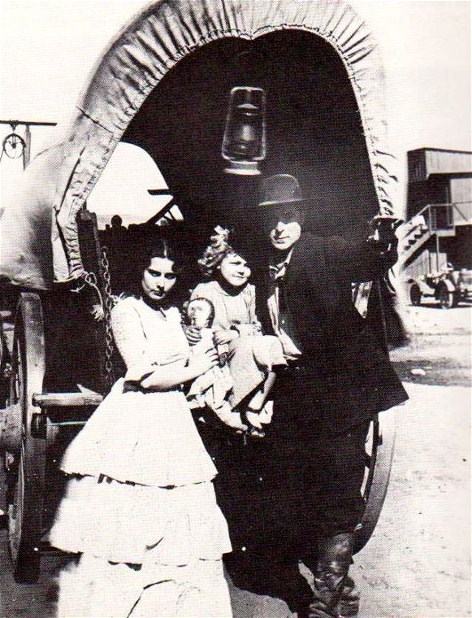
Visualizing the convergence of William S. Hart's style and the core cult narrative.
Jim Houston, the "Shootin' Iron" Parson, comes to Barren Gulch to reform the morals of the frontier community. He receives the support of "Birdshot" Bivens, the sheriff of the county. Jim's wife, Mary, however, is a weak character. She falls a prey to the seduction of Dr. Hardy, the village gambler and saloon keeper, and elopes with him. Jim Houston, forsaking the ministry, goes to the mountains and cares for his child in a log cabin home. Later the child falls very ill. Mary, in a mountain storm, comes unwittingly to their door. Dr. Hardy is sent for as the only physician in the district. He ministers to the child and confronts Houston, who intends to kill him. Mary is asked to make her choice between Houston and Dr. Hardy. She points towards the child and goes to its bedside. Houston forgives his wife and instead of killing Hardy permits him to go unharmed.
Decades after its release, The Disciple remains a vital piece of the cinematic puzzle. Its influence can be seen in countless modern works, solidifying William S. Hart's status as a master of the craft in United States and beyond.