
DbcultAccessing Vault...
Director's Spotlight
Senior Film Conservator
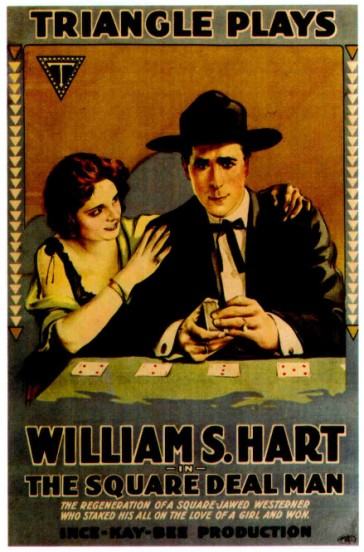
Director's Spotlight: United States
A Deep Dive into the 1917 Vision of William S. Hart
The artistic breakthrough represented by The Square Deal Man in 1917 highlights the uncompromising vision of William S. Hart that defines this cult masterpiece. In the context of United States's rich cinematic history, it captures a specific kind of cinematic magic that is rarely replicated.
In The Square Deal Man, William S. Hart pushes the boundaries of conventional narrative. The film's unique approach to its subject matter has sparked endless debates and interpretations among cinephiles and critics alike.
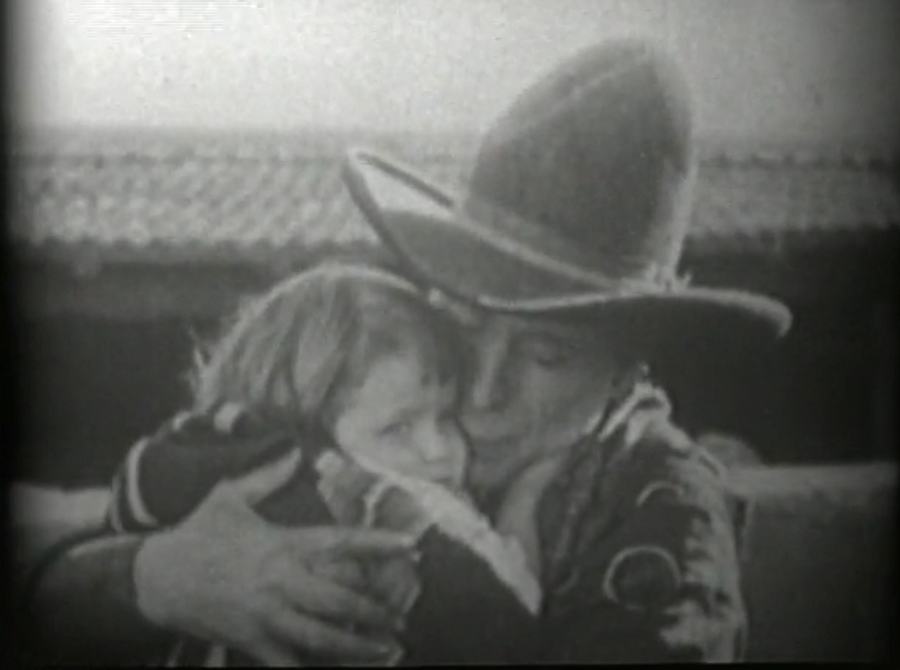
The visual language of The Square Deal Man is defined by its use of shadows and framing, a hallmark of William S. Hart's style. By utilizing a 1917-era palette, the film creates an immersive experience that perfectly complements its cult themes.
| Cinematography | High-Contrast |
| Soundtrack | Diegetic |
| Editing | Rhythmic |
| Art Direction | Naturalist |
Visualizing the convergence of William S. Hart's style and the core cult narrative.
Jack o' Diamonds and his partner, Two Spot Hargis, are known as square sports in the desert town of Oxide. Jack gives liberally to all charities, and is surprised when one day a pioneer missionary refuses to take his money as he considers it ill-gotten. About this time Col. Ransome enters Jack's gambling place. The colonel, a big ranch owner, intoxicated and loaded down with money received in a cattle deal, insists on a game for the highest stakes. Jack consents, wins the colonel's money and also a deed to the ranch. In the fight that follows Colonel Ransome is shot by one of his own foremen, Anastacio, who has previously planned to rob his master and hates to see the money get away from him. The onlookers think that Jack killed the colonel, but as there is a general shooting no fuss is made about the matter. Jack becomes disgusted with his present mode of life and quits the gambling game. He takes up the ranch that has been deeded to him by the dead colonel. When Jack and his partner, Two Spot, arrive at the ranch they discover that the colonel has left an only daughter, Virginia Ransome, who is being educated in New York. Jack determines to put the ranch in order and hand it over to the rightful heiress. When things are in shape he writes to Virginia to come west. When Virginia arrives she treats Jack as a hired servant. He still keeps on with the work around the ranch, but is hampered by Virginia's attitude, as this encourages Anastacio and the hands to almost open mutiny. After plotting to dethrone Jack and secure both the ranch and Virginia for himself, Anastacio tells Virginia that Jack Diamond is the murderer of her father. Virginia dismisses Jack and makes Anastacio her foreman. Jack and Two Spot leave the ranch, but determine not to leave "the little lady" to the mercy of Anastacio. Jack dispatches Two Spot to the nearest fort for the rangers and returns in time to rescue Virginia from Anastacio and the rangers arrive in time to clear up the ranch. One of Anastacio's associates tells Virginia that her father was shot by Anastacio and not by Jack. Virginia apologizes to Jack for her past unkindnesses and offers to turn over the ranch to him as rightful owner. Jack will only entertain a proposition that involves a half ownership, and eventually wins Virginia as his wife.
Decades after its release, The Square Deal Man remains a vital piece of the cinematic puzzle. Its influence can be seen in countless modern works, solidifying William S. Hart's status as a master of the craft in United States and beyond.