
DbcultAccessing Vault...
Director's Spotlight
Senior Film Conservator
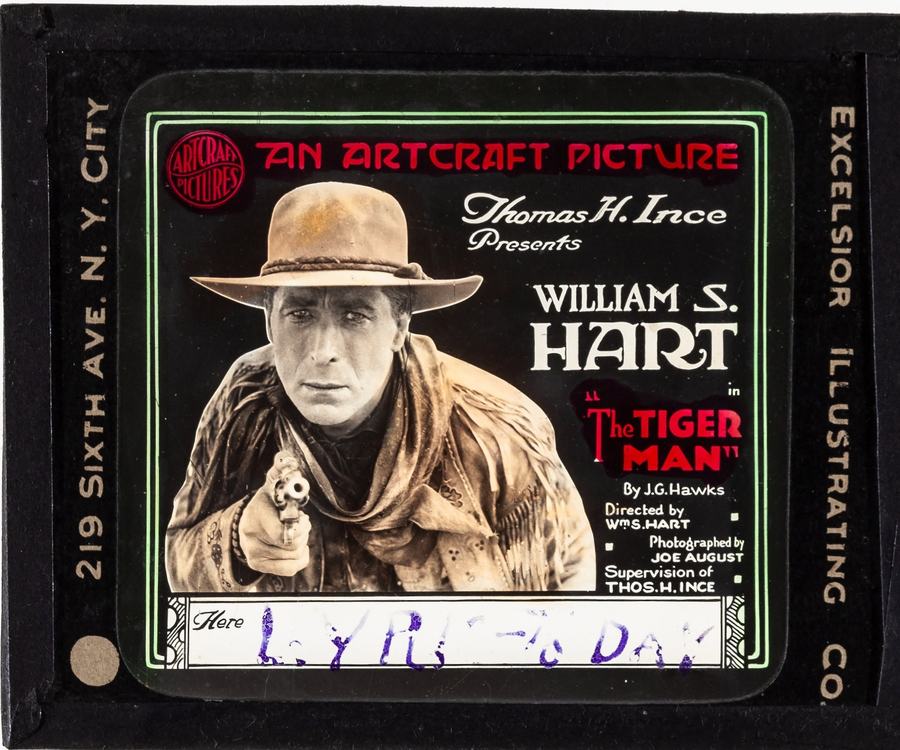
Director's Spotlight: United States
A Deep Dive into the 1918 Vision of William S. Hart
The brilliance of The Tiger Man (1918) is inseparable from the visionary mind of its creator, William S. Hart. Serving as a mirror to the anxieties of a changing world, it persists as a haunting reminder of our own cinematic history.
In The Tiger Man, William S. Hart pushes the boundaries of conventional narrative. The film's unique approach to its subject matter has sparked endless debates and interpretations among cinephiles and critics alike.
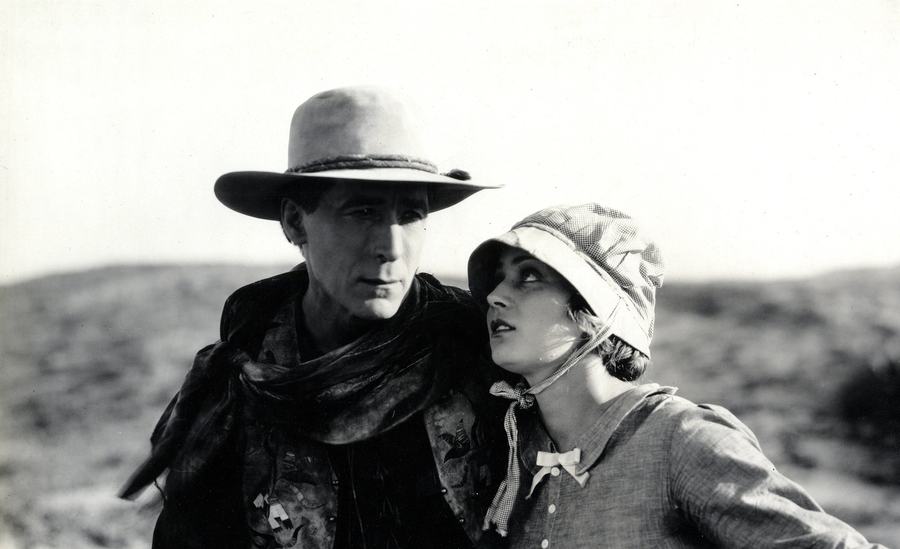
To fully appreciate The Tiger Man, one must consider the cinematic climate of 1918. During this period, United States was undergoing significant artistic shifts, and William S. Hart was at the forefront of this cult movement, often challenging established norms.
| Cinematography | Noir-Inspired |
| Soundtrack | Diegetic |
| Editing | Elliptical |
| Art Direction | Expressionist |
Visualizing the convergence of William S. Hart's style and the core cult narrative.
Hawk Parsons and his gang of ruthless outlaws escape from jail and ride far into the New Mexican desert, where they discover a band of emigrants stranded without water. Hawk is so smitten with Ruth Ingram, the wife of the Rev. Luke Ingram, that he agrees to lead the wagon train to safety, but on the way, the party is attacked by Indians. In the distance, Hawk sees U.S. cavalry troops on horseback, but because several members of the posse assigned to track him down are included in the band, he hesitates to send them a distress signal. Finally, Hawk allows the travelers to send their message on the condition that he may leave with Ruth, and as the wagon train is rescued, he reaches his mountain lair with the woman he loves. When Ruth attempts suicide, Hawk then realizes his selfishness, and after returning her to her husband, he turns himself over to the sheriff.
Decades after its release, The Tiger Man remains a vital piece of the cinematic puzzle. Its influence can be seen in countless modern works, solidifying William S. Hart's status as a master of the craft in United States and beyond.