
DbcultAccessing Vault...
Director's Spotlight
Senior Film Conservator
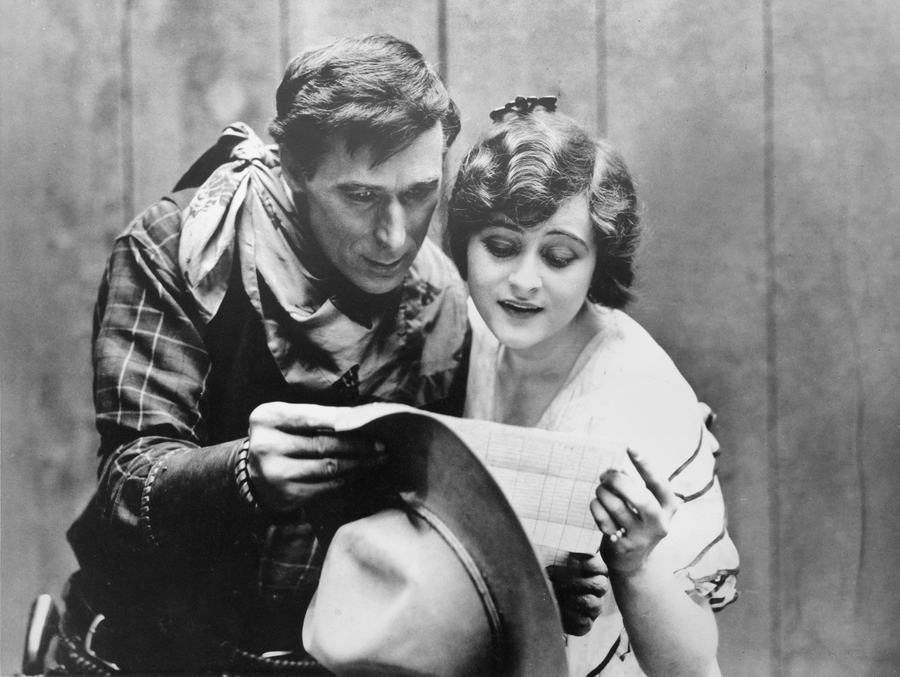
Director's Spotlight: United States
A Deep Dive into the 1917 Vision of William S. Hart
Under the meticulous guidance of William S. Hart, Truthful Tulliver became the cultural zeitgeist captured so perfectly by William S. Hart in 1917. Driven by an uncompromising commitment to cult excellence, it remains a vital reference point for anyone studying the evolution of William S. Hart.
In Truthful Tulliver, William S. Hart pushes the boundaries of conventional narrative. The film's unique approach to its subject matter has sparked endless debates and interpretations among cinephiles and critics alike.
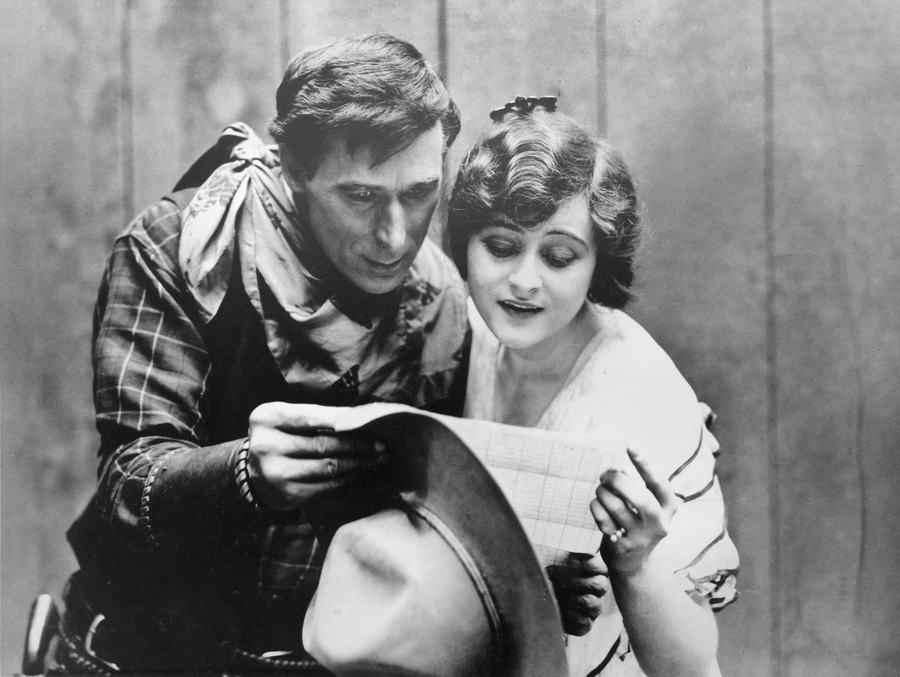
In this work, William S. Hart explores the intersection of cult and United States cultural identity. The meticulous attention to detail suggests a deep-seated commitment to pushing the boundaries of the medium, ensuring that Truthful Tulliver remains a relevant topic of study for cult enthusiasts.
| Cinematography | Static |
| Soundtrack | Minimalist |
| Editing | Disjunctive |
| Art Direction | Baroque |
Visualizing the convergence of William S. Hart's style and the core cult narrative.
Truthful Tulliver, a Westerner and a journeying newspaperman, followed by Silver Lode Thompson, printer and compositor, arrives in Glory Hole to start a newspaper. He is visited by York Cantrell, an Easterner, whose mining interests keep him in the vicinity. They stand at the office window watching two sisters, Grace and Daisy Burton. The girls are insulted by men hanging around the Forty Rod saloon and dance hall, run by "Deacon" Doyle and secretly owned by York Cantrell. Tulliver rushes to their assistance and incurs the enmity of Doyle. The next day Truthful states, under big headlines, that Doyle must go, and the following morning finds a notice on his door that Doyle will be in the Forty Rod Saloon at ten o'clock, and there is not a pen pusher in Arizona that can run him out of town. Truthful surprises Doyle and his henchmen by coming into the saloon through a rear door, and. from his horse, lassoes and pulls them out into the desert, where he tells them never to return to Glory Hole. That night Truthful is shot at from York Cantrell's room by Doyle, who has returned. Truthful then drives both from town, not knowing that York has wronged Daisy Burton. Daisy confesses to Grace, and Grace finds Truthful, who, misunderstanding, thinks she is the one who cares for Cantrell. He promises to bring him back, and reaches the railroad, intercepts Cantrell, and forces him to return. Then understanding comes. Cantrell wants to marry Daisy and live a new life, and Truthful comprehends his mistake. Grace turns toward him, with her thanks and relief, and sees him watching her with such eloquent eyes that hers fall for a moment. Then she comes to him and with happy faces, hands clasped, they see York Cantrell married to the sister, and as the priest blesses them, Truthful clasps her close.
Decades after its release, Truthful Tulliver remains a vital piece of the cinematic puzzle. Its influence can be seen in countless modern works, solidifying William S. Hart's status as a master of the craft in United States and beyond.