
DbcultAccessing Vault...
Director's Spotlight
Senior Film Conservator
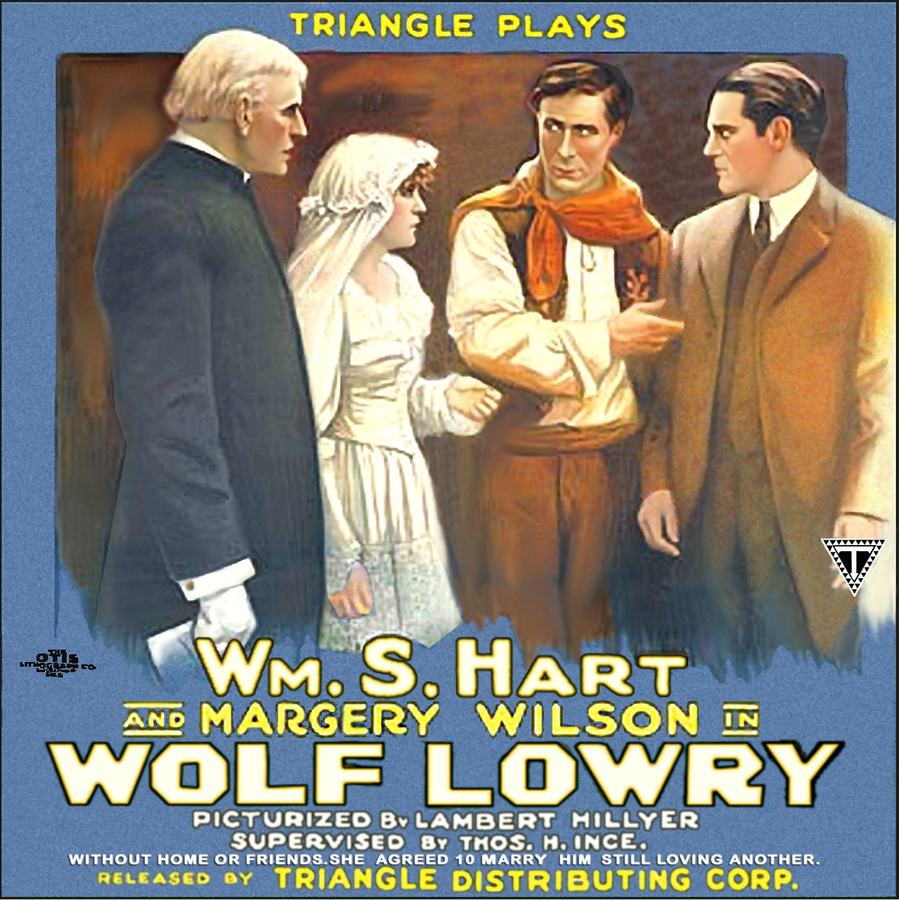
Director's Spotlight: United States
A Deep Dive into the 1917 Vision of William S. Hart
To understand the modern evolution of United States film, one must first look at Wolf Lowry and the collaborative alchemy between William S. Hart and the 1917 creative team. Subverting the expectations of the typical 1917 audience, it remains a vital reference point for anyone studying the evolution of William S. Hart.
In Wolf Lowry, William S. Hart pushes the boundaries of conventional narrative. The film's unique approach to its subject matter has sparked endless debates and interpretations among cinephiles and critics alike.
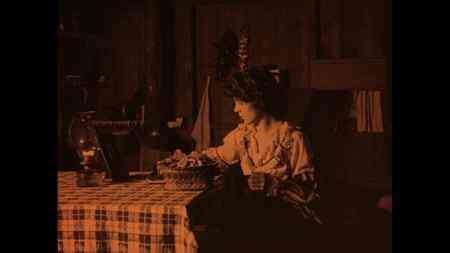
In this work, William S. Hart explores the intersection of cult and United States cultural identity. The meticulous attention to detail suggests a deep-seated commitment to pushing the boundaries of the medium, ensuring that Wolf Lowry remains a relevant topic of study for cult enthusiasts.
| Cinematography | Handheld |
| Soundtrack | Minimalist |
| Editing | Disjunctive |
| Art Direction | Baroque |
Visualizing the convergence of William S. Hart's style and the core cult narrative.
Tom "Wolf" Lowry, the owner of the Bar Z ranch, tolerates no intruders into his life. When he hears that settlers have entered his valley, he goes to confront them but has a change of heart when he sees Mary Davis, a young woman who has come West to find her missing sweetheart, Owen Thorpe. Mary nurses Lowry back to health after he is wounded by Buck Fanning, the real estate agent who sold Mary her claim, when Lowry prevents Banning from raping Mary. Lowry soon falls in love with Mary and she agrees to become his wife, having lost all hope of finding her former sweetheart. By coincidence, Lowry finds Owen, but when Owen and Mary meet and plan to run away together, Lowry insists that she honor her agreement to wed him. On the day of the wedding, however, Lowry has a change of heart and takes Owen and Mary to the minister and tells him to marry the two lovers instead. Lowry then leaves Mary a note saying that he is going to Alaska. Five years later, Mary and Owen are the parents of a young son, named Tom, and the recipients of a letter from Lowry who now lives in isolation in Alaska.
Decades after its release, Wolf Lowry remains a vital piece of the cinematic puzzle. Its influence can be seen in countless modern works, solidifying William S. Hart's status as a master of the craft in United States and beyond.