
DbcultAccessing Vault...
Director's Spotlight
Senior Film Conservator
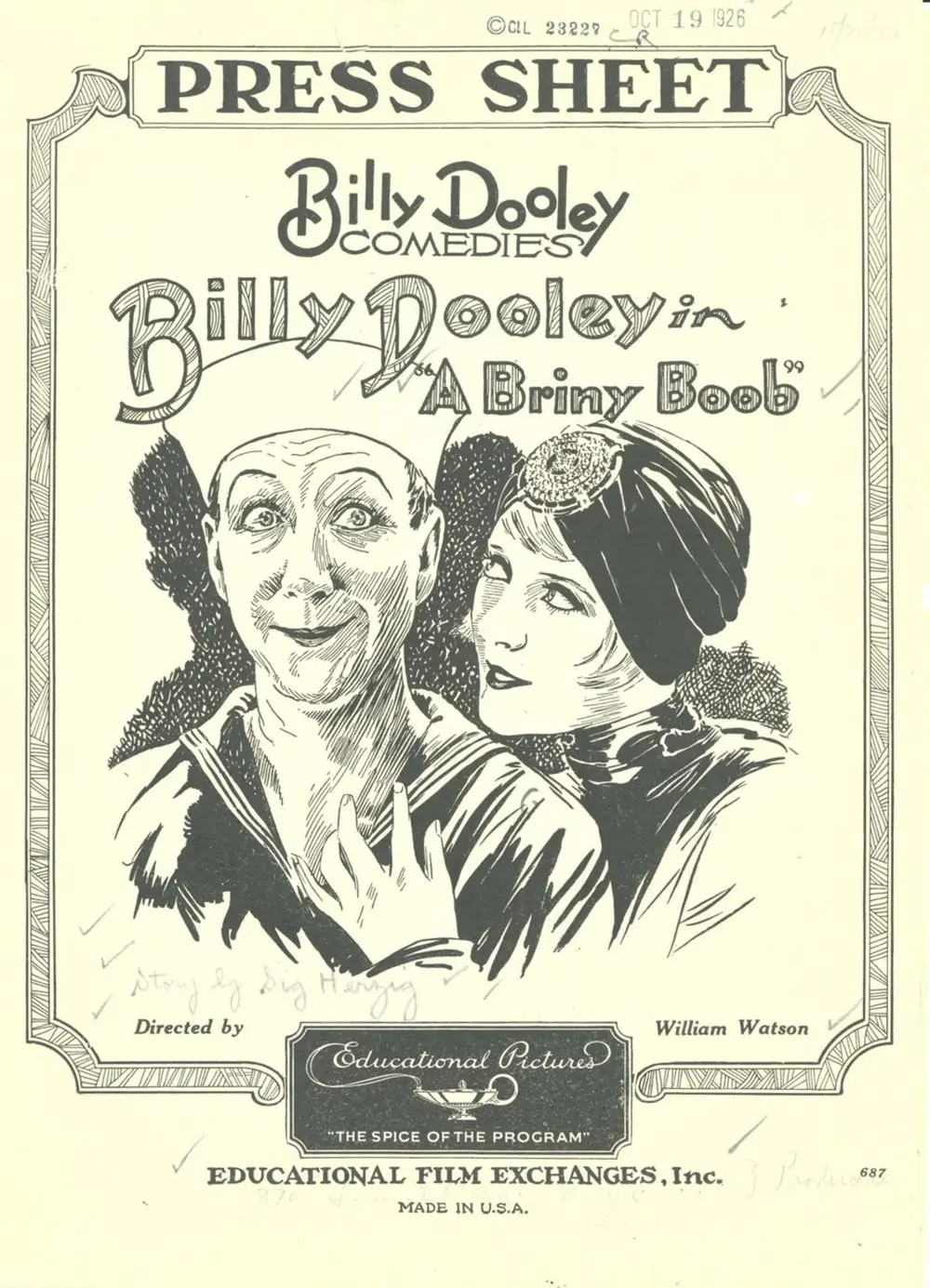
Director's Spotlight: United States
A Deep Dive into the 1926 Vision of William Watson
As a cultural artifact of the 1926s, A Briny Boob provides the visionary mind of its creator, William Watson. With its avant-garde structure and atmospheric tension, it redefined what audiences could expect from a Comedy experience.
In A Briny Boob, William Watson pushes the boundaries of conventional narrative. The film's unique approach to its subject matter has sparked endless debates and interpretations among cinephiles and critics alike.
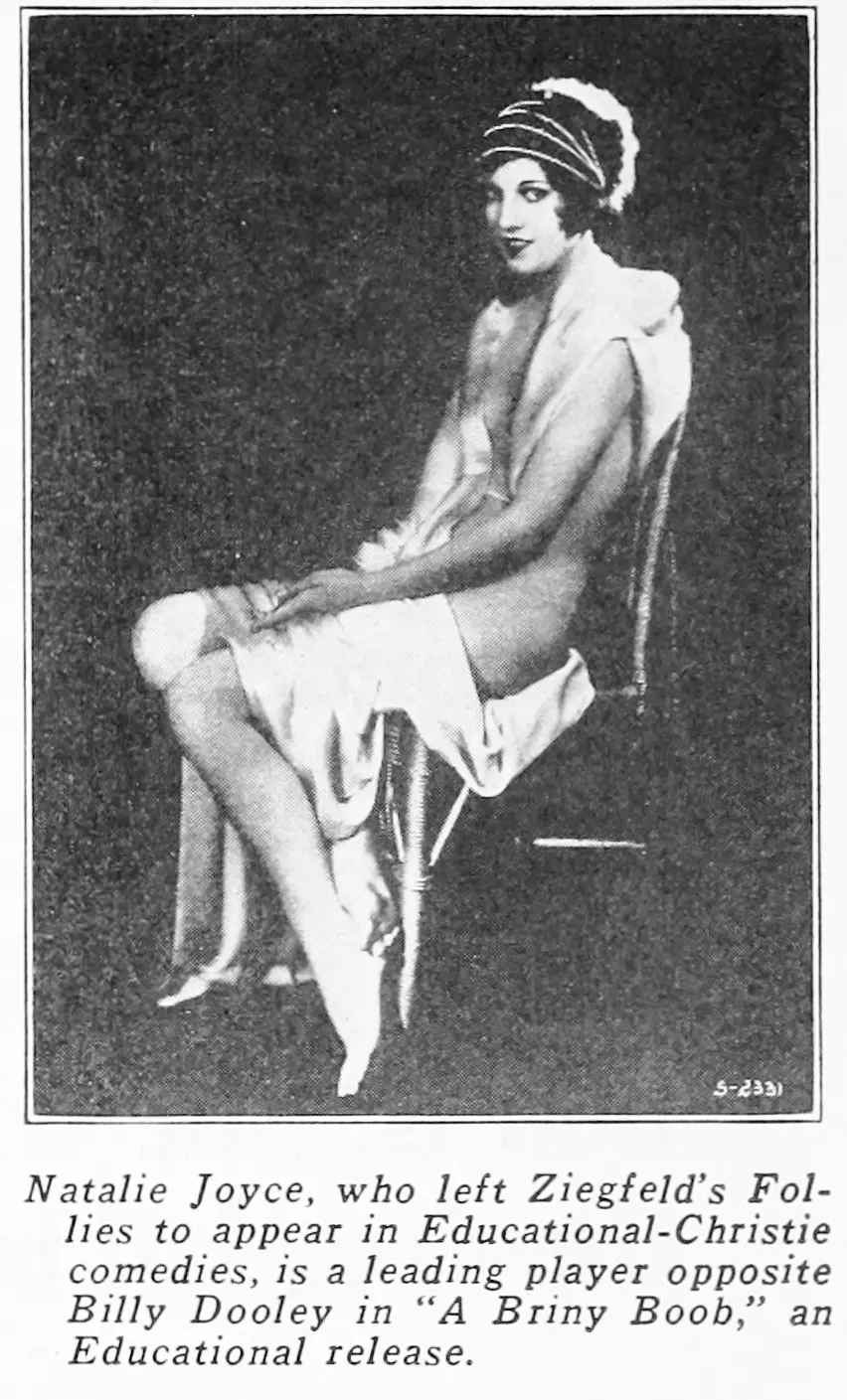
The visual language of A Briny Boob is defined by its use of shadows and framing, a hallmark of William Watson's style. By utilizing a 1926-era palette, the film creates an immersive experience that perfectly complements its Comedy themes.
| Cinematography | High-Contrast |
| Soundtrack | Synth-Heavy |
| Editing | Rhythmic |
| Art Direction | Naturalist |
Visualizing the convergence of William Watson's style and the core Comedy narrative.
Billy is commissioned by his superior officer to invest ten dollars in flowers for a fair lady. Susceptible, as most sailors are, he presents the flowers to the first attractive nurse-maid whom he encounters. Getting mixed up in a group of classical dancers on the lawn of a public park, he replaces the bouquet by taking the flowers which they are using in the dance. Wrongly credited with rescuing a pet dog he is invited by the owner of the canine to her house to receive a reward. Arrived there he is utilized as the lover for rehearsals of an amateur version of the hectic Elinor Glyn's "Three Weeks," tiger rug and all. The usual suspicious husband being tipped off by the house-maid arrives to annihilate his supposed rival, the poor boob sailor. But before he can carry out his dire plans two traffic policemen, seeking him for violating the speed laws, invade the house. Then naturally a free-for-all fight and marathon race in which everybody takes part.
Decades after its release, A Briny Boob remains a vital piece of the cinematic puzzle. Its influence can be seen in countless modern works, solidifying William Watson's status as a master of the craft in United States and beyond.