
DbcultAccessing Vault...
Director's Spotlight
Senior Film Conservator
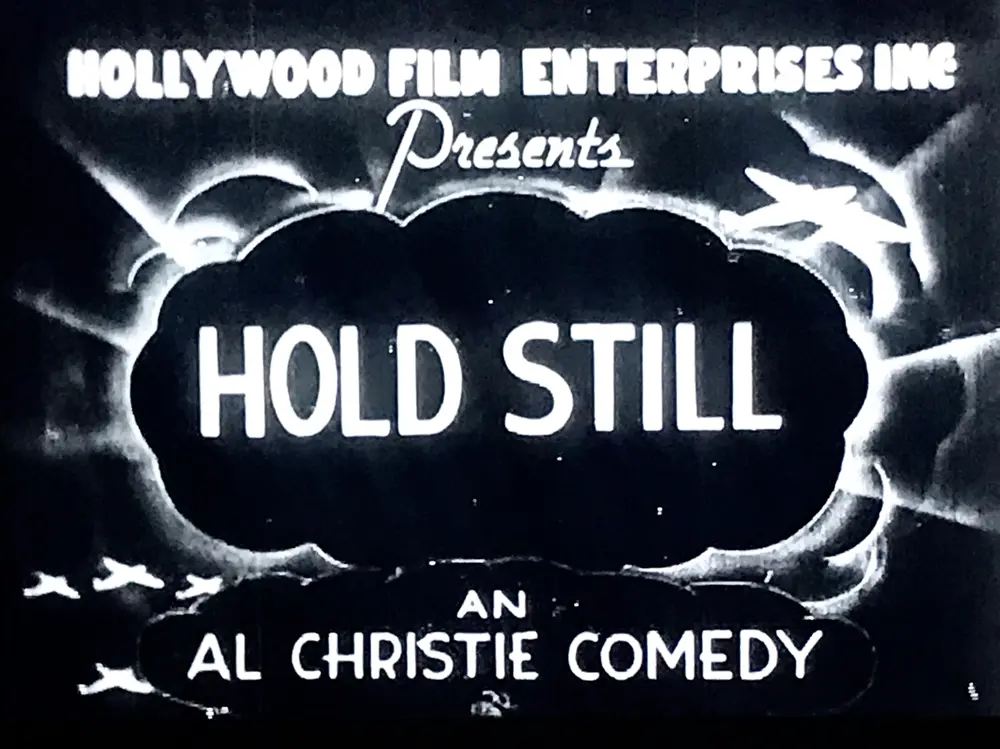
Director's Spotlight: United States
A Deep Dive into the 1926 Vision of William Watson
The artistic breakthrough represented by Hold Still in 1926 highlights the uncompromising vision of William Watson that defines this Comedy masterpiece. In the context of United States's rich cinematic history, it captures a specific kind of cinematic magic that is rarely replicated.
In Hold Still, William Watson pushes the boundaries of conventional narrative. The film's unique approach to its subject matter has sparked endless debates and interpretations among cinephiles and critics alike.
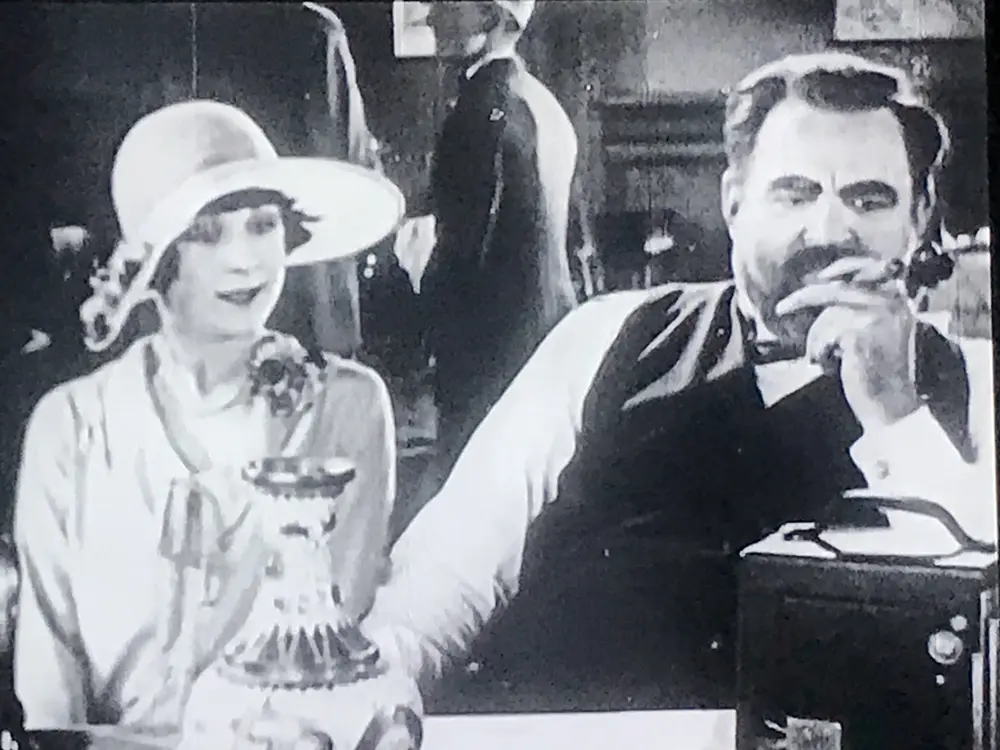
The visual language of Hold Still is defined by its use of shadows and framing, a hallmark of William Watson's style. By utilizing a 1926-era palette, the film creates an immersive experience that perfectly complements its Comedy themes.
| Cinematography | Static |
| Soundtrack | Orchestral |
| Editing | Invisible |
| Art Direction | Kitsch |
Visualizing the convergence of William Watson's style and the core Comedy narrative.
The city editor refuses to give Anne a reporter's job. Two photographers have failed to get a picture of Senator Hangnail, and Anne is promised a job if she succeeds. She gets into the senator's house and is suspected of being a mafia black-hand terrorist. Escaping that, she manages to snap several pictures but, when they are developed, she has photographed everything by the senator's face. The senator has hired a couple of bodyguards to protect him the the 'black-hand' woman, and takes them to eat at a café. She poses as a waitress and gets the picture. She is offered the job but her boyfriend, Jimmie, says he will have to get another girl to be his wife, and she turns down the job.
Decades after its release, Hold Still remains a vital piece of the cinematic puzzle. Its influence can be seen in countless modern works, solidifying William Watson's status as a master of the craft in United States and beyond.