
DbcultAccessing Vault...
Director's Spotlight
Senior Film Conservator
Director's Spotlight: United States
A Deep Dive into the 1922 Vision of William Watson
In the grand tapestry of Comedy cinema, Off the Earth serves as a bridge between the bold experimentation that has become synonymous with William Watson. Breaking the traditional rules of Comedy engagement, it highlights the importance of independent voices in United States.
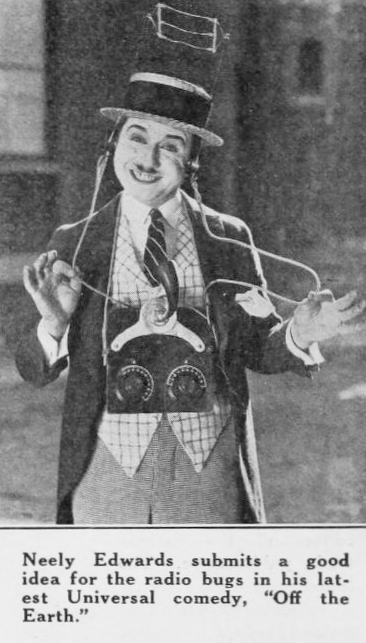
In Off the Earth, William Watson pushes the boundaries of conventional narrative. The film's unique approach to its subject matter has sparked endless debates and interpretations among cinephiles and critics alike.
| Cinematography | Noir-Inspired |
| Soundtrack | Diegetic |
| Editing | Rhythmic |
| Art Direction | Naturalist |
Visualizing the convergence of William Watson's style and the core Comedy narrative.
Nervy Ned, blackened up so he can attend a negro barbecue without an invitation, forgets to smear burned cork on his hands and is chased by the irate negroes as soon as they detect him. Washing off his make-up in a nearby stream, he gets a taste of some contraband hootch being poured out by dry agents up stream. While pepped up by the hootch he volunteers to take a trip to Mars in a cannon invented by his sweetheart's father, Professor McKerony. The projectile lands a few miles away; Ned alights and is hit by a flivver. He immediately radios back to the professor that Ford, John D. and others, including Volstead, have been there first. The professor and his party, celebrating the success of his invention, arrive at the same café wherein Ned is drinking. After a general mix-up, explanations are made and all ends well.
Decades after its release, Off the Earth remains a vital piece of the cinematic puzzle. Its influence can be seen in countless modern works, solidifying William Watson's status as a master of the craft in United States and beyond.