
DbcultAccessing Vault...
Director's Spotlight
Senior Film Conservator
Director's Spotlight: United States
A Deep Dive into the 1925 Vision of William Watson
The artistic breakthrough represented by Soup to Nuts in 1925 highlights the uncompromising vision of William Watson that defines this Short masterpiece. In the context of United States's rich cinematic history, it captures a specific kind of cinematic magic that is rarely replicated.
In Soup to Nuts, William Watson pushes the boundaries of conventional narrative. The film's unique approach to its subject matter has sparked endless debates and interpretations among cinephiles and critics alike.
| Cinematography | Deep Focus |
| Soundtrack | Experimental |
| Editing | Elliptical |
| Art Direction | Expressionist |
Visualizing the convergence of William Watson's style and the core Short narrative.
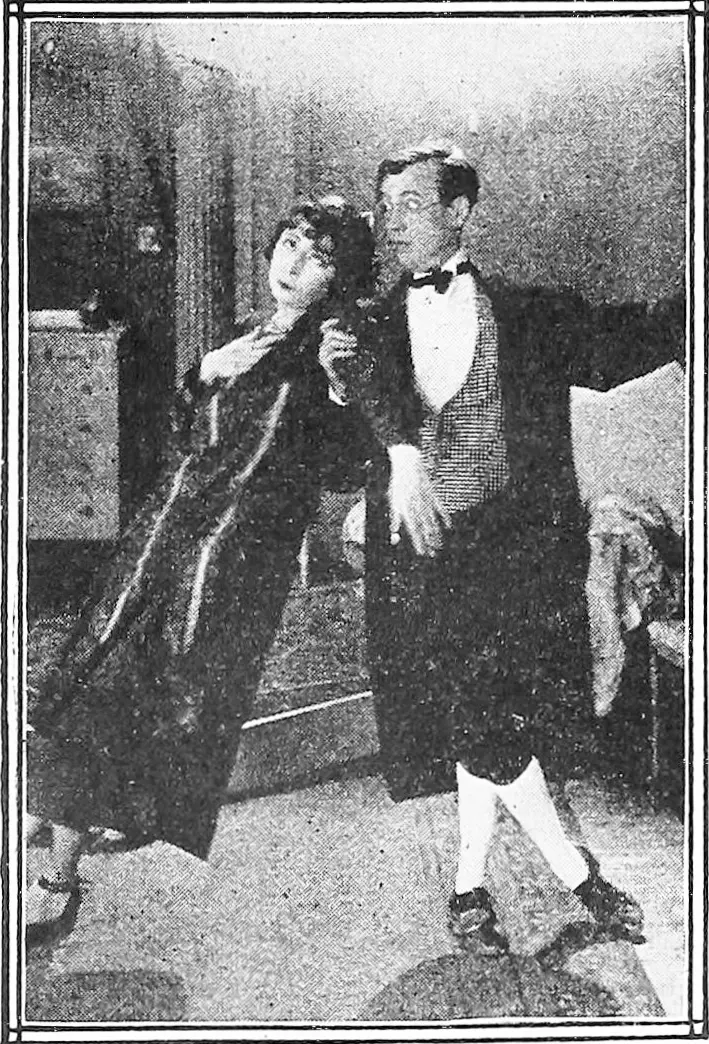
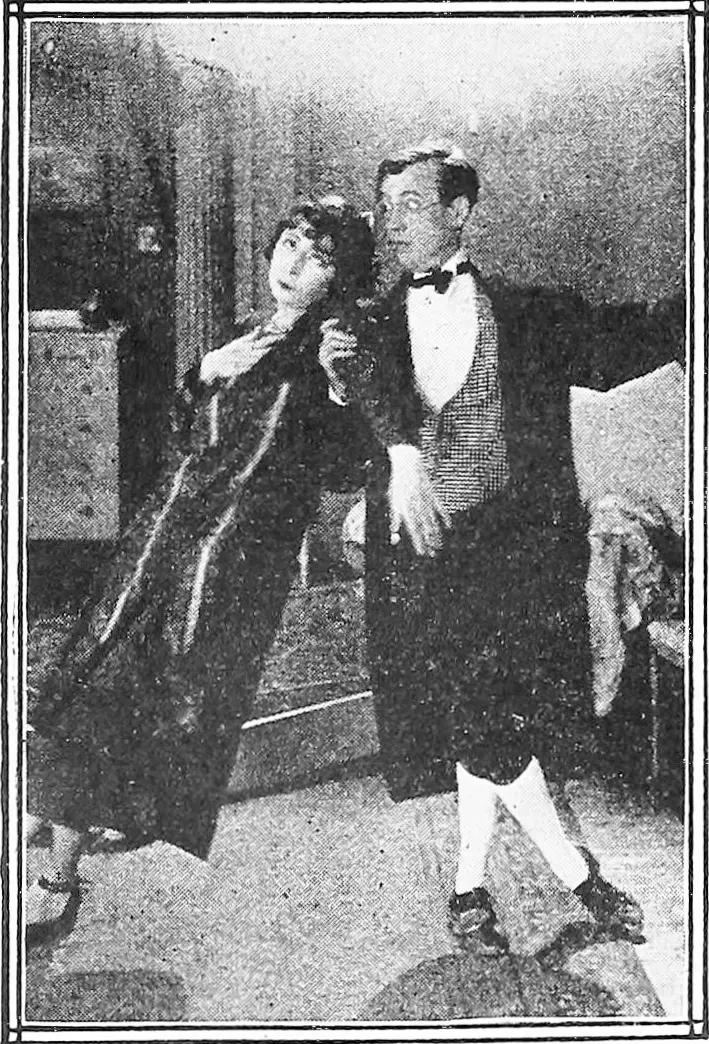
Henry is expecting the new cook and when Sally, his wife's sister, appears, he immediately shows her the kitchen and orders her to serve food. When Henry's wife learns this she fears to present him as her husband, commands him to masquerade as the butler and calls in a friend to pose as her husband. The "butler" puts soap into the soup with the result that the sister-in-law and the other man become ill. When fire breaks out in the house the sister-in-law is trapped in her room and Bill thinks the terrible heat he feels is the result of fever from his illness. The fire brings on a climax in which the fire department performs and a series of hilarious gags are introduced.
Decades after its release, Soup to Nuts remains a vital piece of the cinematic puzzle. Its influence can be seen in countless modern works, solidifying William Watson's status as a master of the craft in United States and beyond.