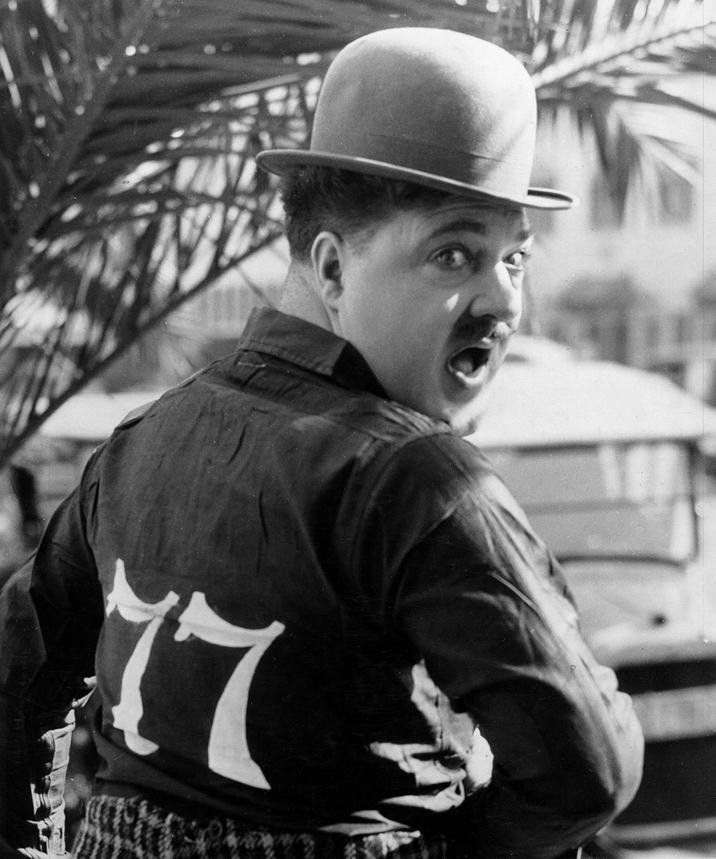
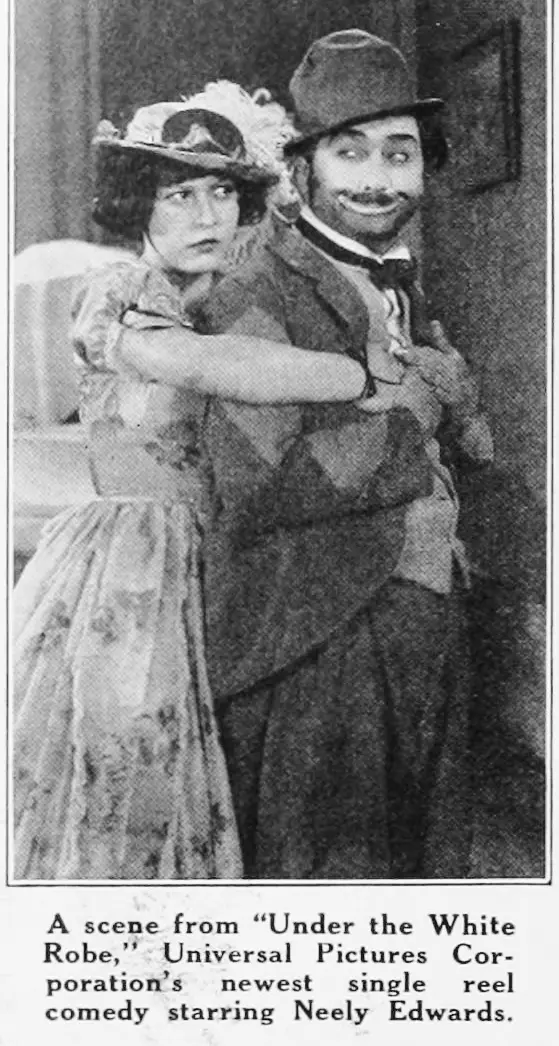
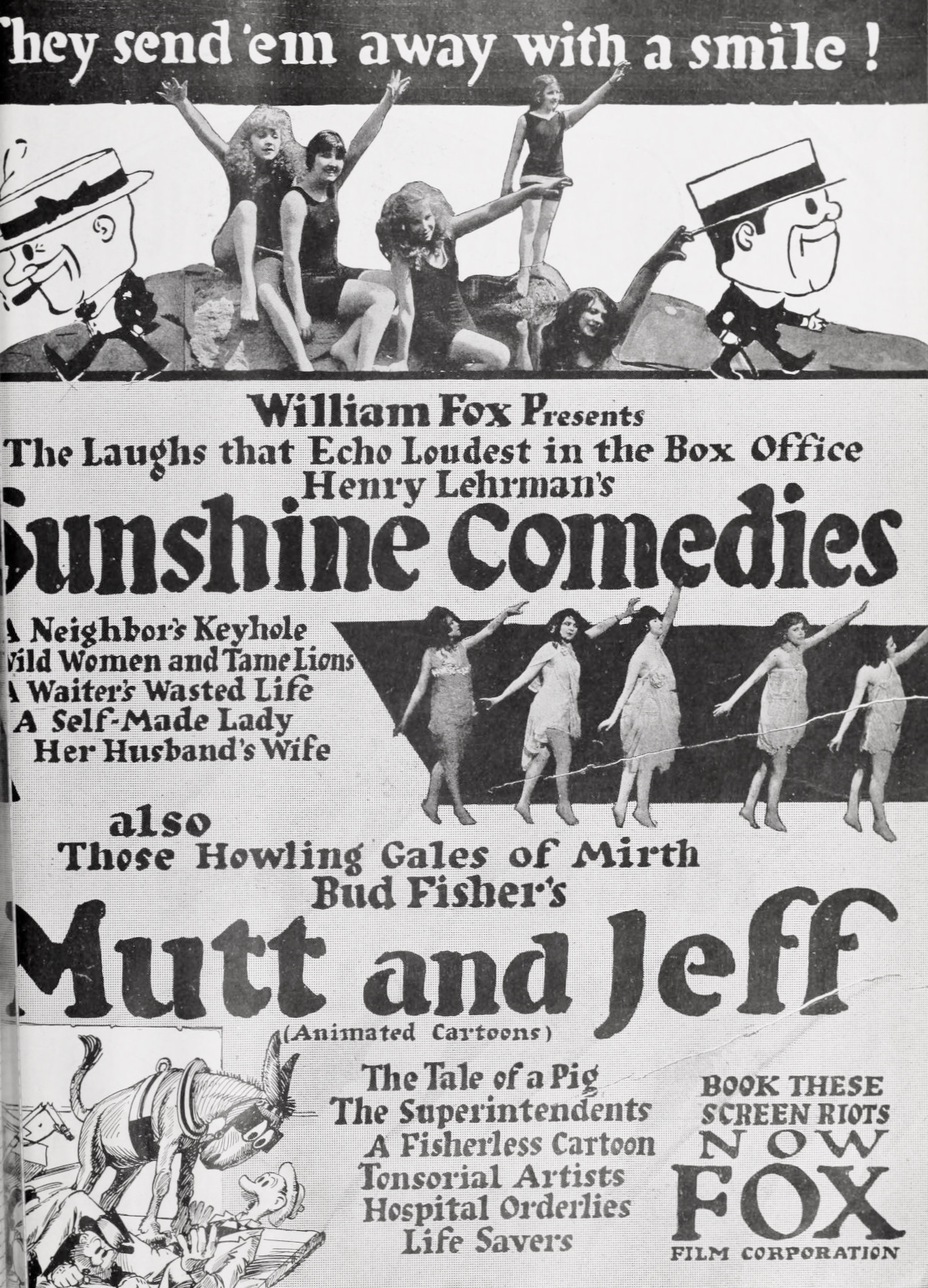
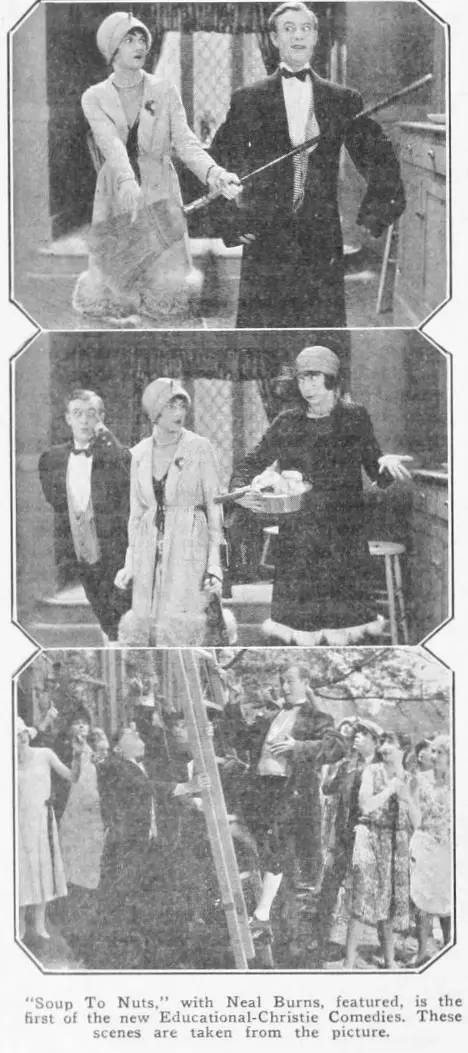
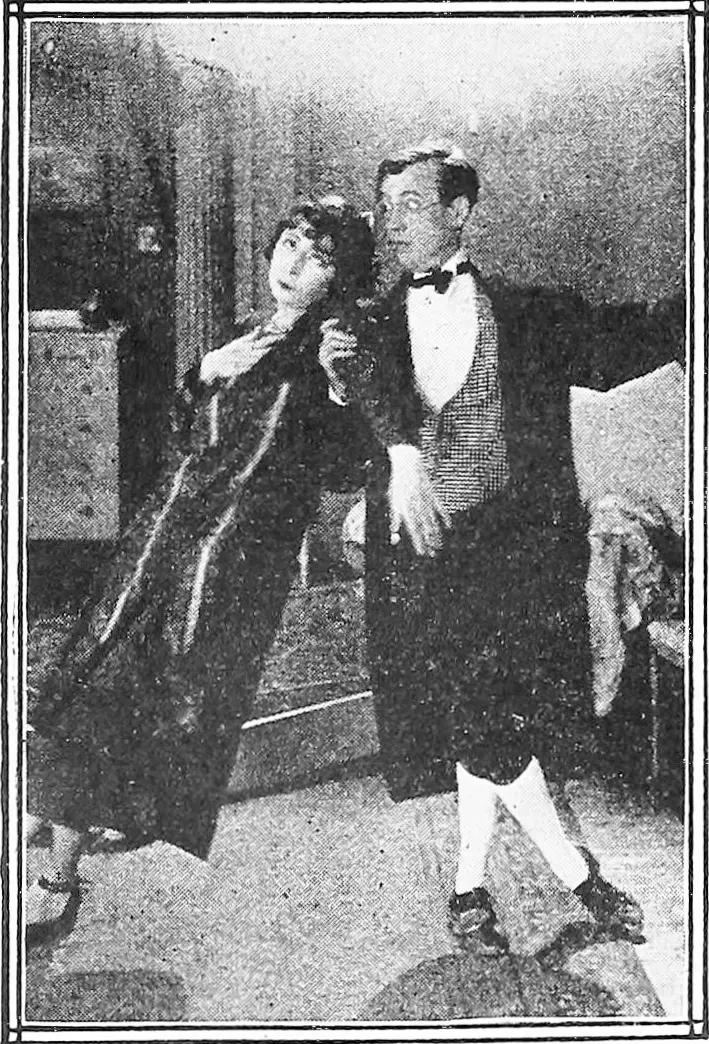
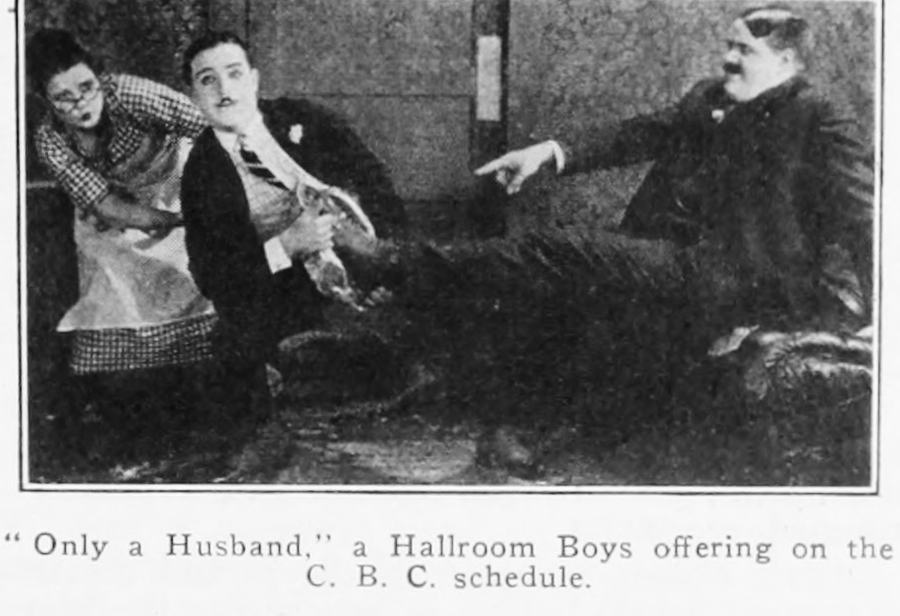
Henry is expecting the new cook and when Sally, his wife's sister, appears, he immediately shows her the kitchen and orders her to serve food. When Henry's wife learns this she fears to present him as her husband, commands him to masquerade as the butler and calls in a friend to pose as her husband.
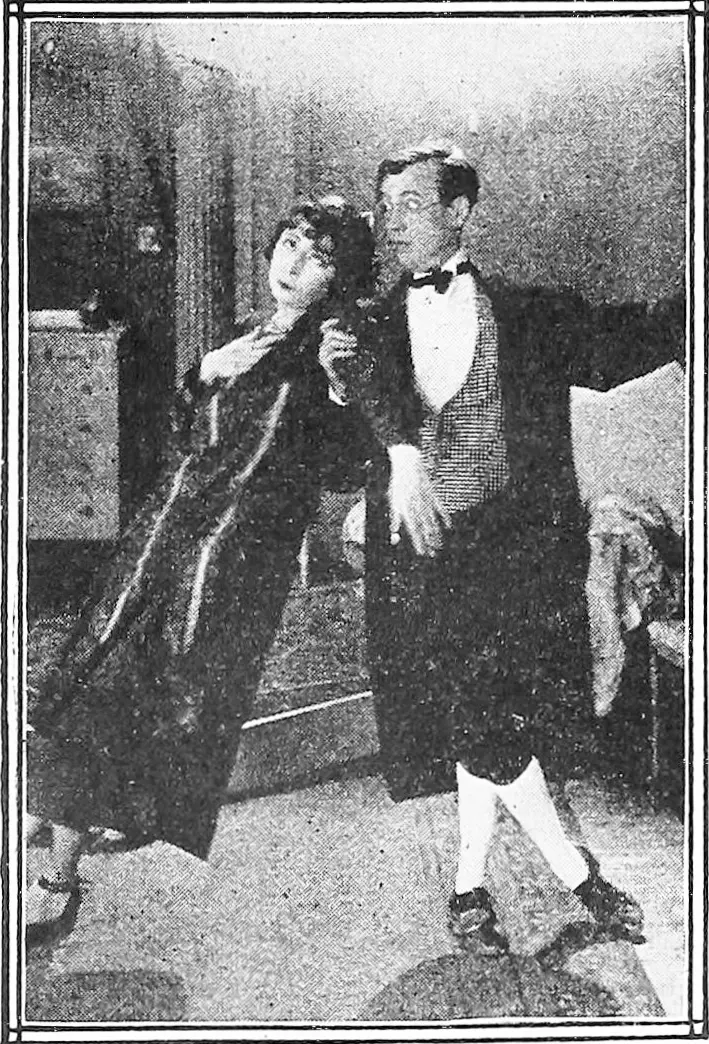
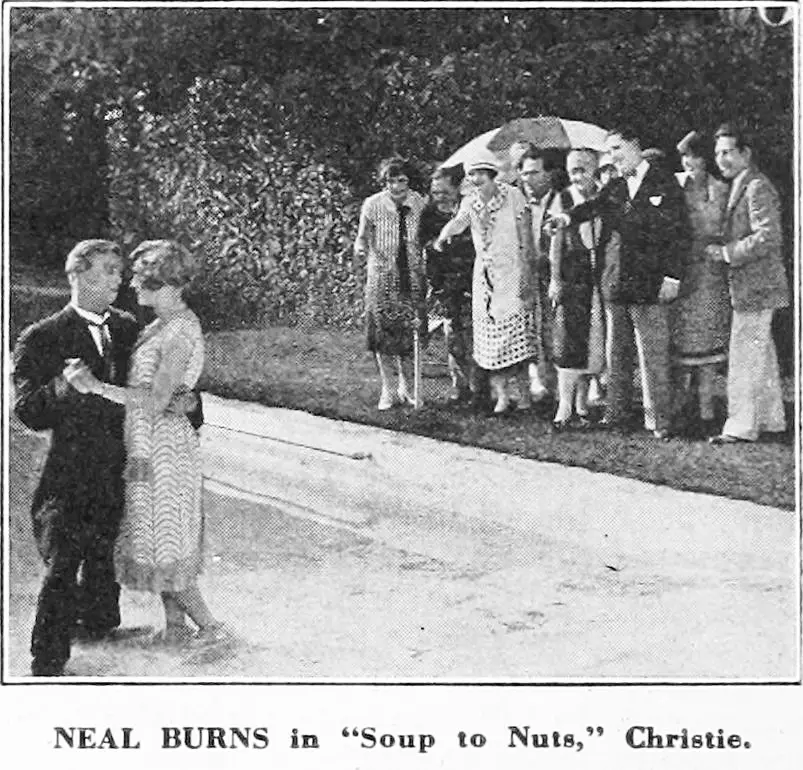
There is a peculiar, almost kinetic energy that permeates the short-form comedies of the early 1920s, a period where the syntax of cinema was being rewritten through the sheer physicality of its performers. Soup to Nuts (1922), directed by the often-underappreciated William Watson, stands as a quintessential artifact...
still_frame
still_frame
still_frame
Comparing the cinematic DNA and archive impact of two defining moments in cult history.
William Watson
William Watson
Community
Log in to comment.
" There is a peculiar, almost kinetic energy that permeates the short-form comedies of the early 1920s, a period where the syntax of cinema was being rewritten through the sheer physicality of its performers. Soup to Nuts (1922), directed by the often-underappreciated William Watson, stands as a quintessential artifact of this era. It is a film that doesn't merely invite laughter; it demands a surrender to its escalating absurdity. To watch Henry’s domestic life unravel is to witness the dismant..."
Neal Burns
William Watson, Hal Conklin
United States