
DbcultAccessing Vault...
Director's Spotlight
Senior Film Conservator
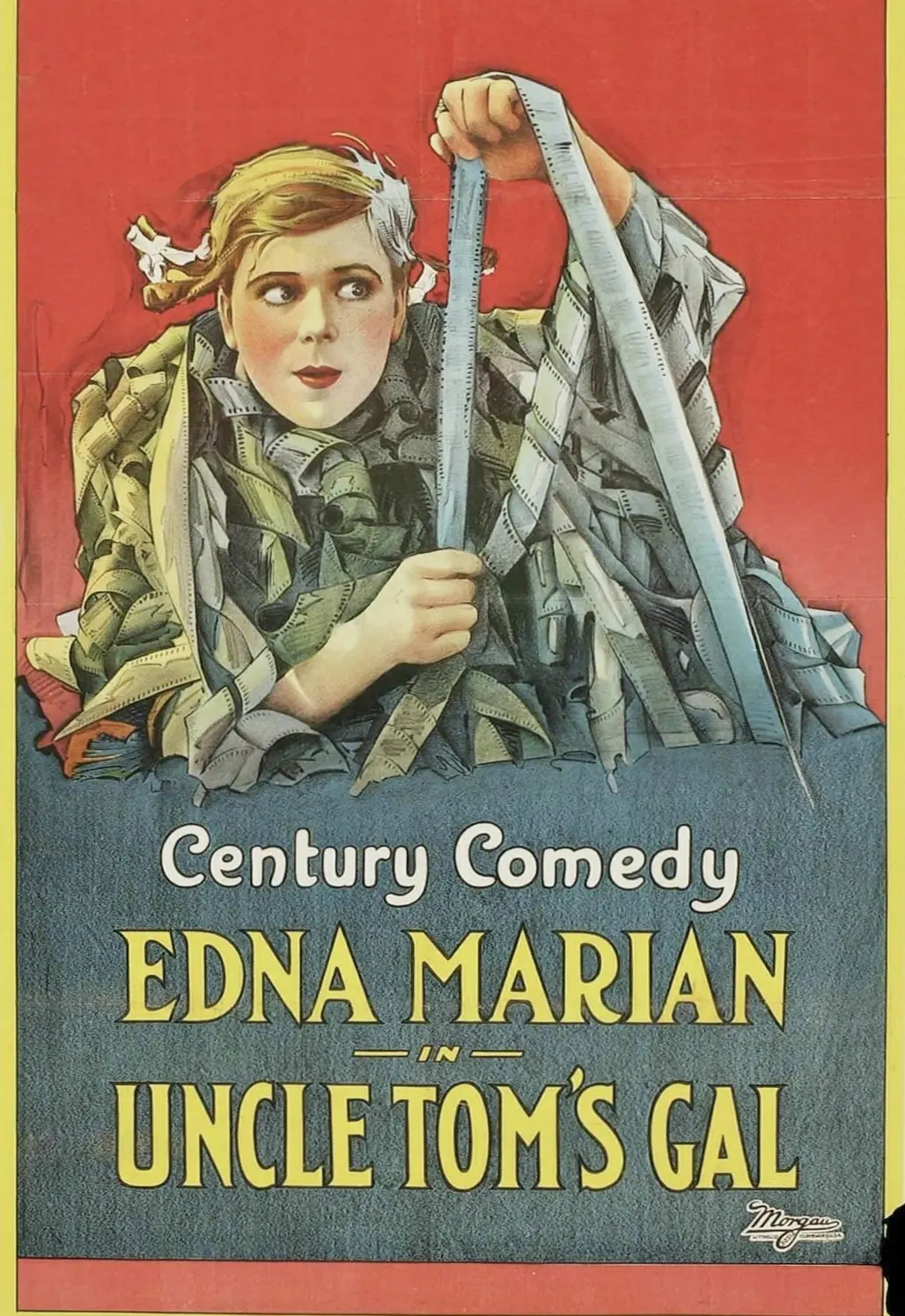
Director's Spotlight: United States
A Deep Dive into the 1925 Vision of William Watson
The enduring fascination with Uncle Tom's Gal is a testament to the artistic risks taken by William Watson that eventually paid off. Challenging the viewer to find meaning in the Short shadows, it reminds us of the fragility and beauty of the 1925s.
In Uncle Tom's Gal, William Watson pushes the boundaries of conventional narrative. The film's unique approach to its subject matter has sparked endless debates and interpretations among cinephiles and critics alike.
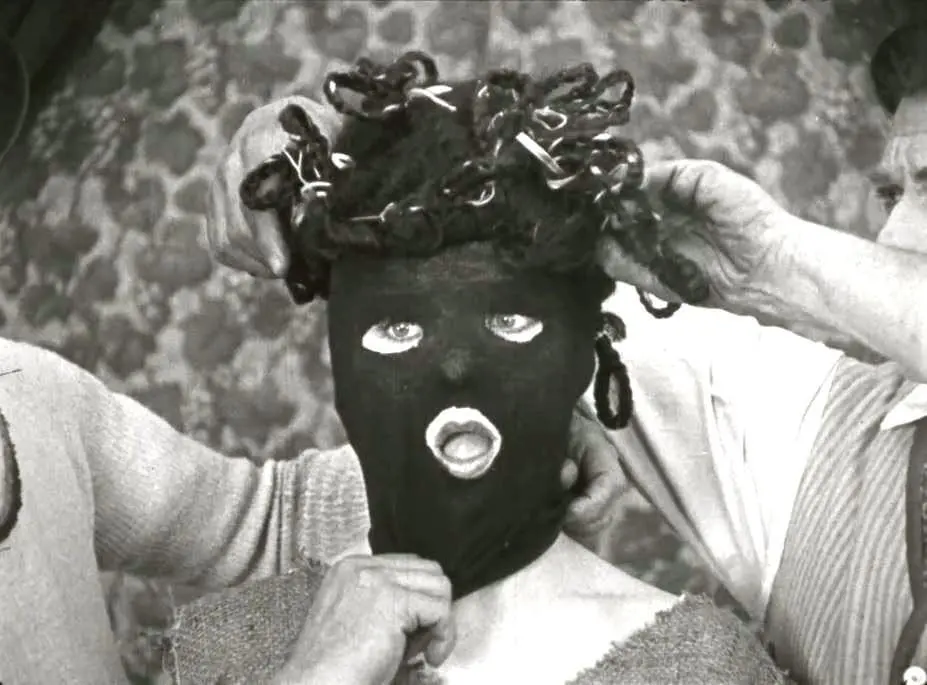
To fully appreciate Uncle Tom's Gal, one must consider the cinematic climate of 1925. During this period, United States was undergoing significant artistic shifts, and William Watson was at the forefront of this Short movement, often challenging established norms.
| Cinematography | Static |
| Soundtrack | Minimalist |
| Editing | Disjunctive |
| Art Direction | Baroque |
Visualizing the convergence of William Watson's style and the core Short narrative.
Dolly, a farmer maiden, longs to become a screen star. A visiting film company wants to shoot "Uncle Tom's Cabin" on the farm and she gives permission. When the leading lady fails to arrive, Dolly is cast as Little Eva, Topsy and Eliza. Various laughable sequences occur in the filming of the venerable classic along somewhat unique lines. At the end of the day, Dolly draws all of the undeveloped film from the camera magazines, hoping to see her "pitcher," thus ruining the most original version of the "Tom" show ever screened.
Decades after its release, Uncle Tom's Gal remains a vital piece of the cinematic puzzle. Its influence can be seen in countless modern works, solidifying William Watson's status as a master of the craft in United States and beyond.