
DbcultAccessing Vault...
Director's Spotlight
Senior Film Conservator
Director's Spotlight: United States
A Deep Dive into the 1926 Vision of William Watson
Exploring the Comedy underpinnings of Wife Shy leads us to the stylistic boundaries pushed by William Watson during the production. Through a lens of existential fatalism and Comedy tropes, it continues to spark endless debates among critics and cinephiles alike.
In Wife Shy, William Watson pushes the boundaries of conventional narrative. The film's unique approach to its subject matter has sparked endless debates and interpretations among cinephiles and critics alike.
While deeply rooted in United States, Wife Shy has achieved a global reach, influencing directors from various backgrounds. Its ability to translate Comedy tropes into a universal cinematic language is why it remains a cult staple decades after its 1926 release.
| Cinematography | High-Contrast |
| Soundtrack | Orchestral |
| Editing | Slow-Burn |
| Art Direction | Brutalist |
Visualizing the convergence of William Watson's style and the core Comedy narrative.
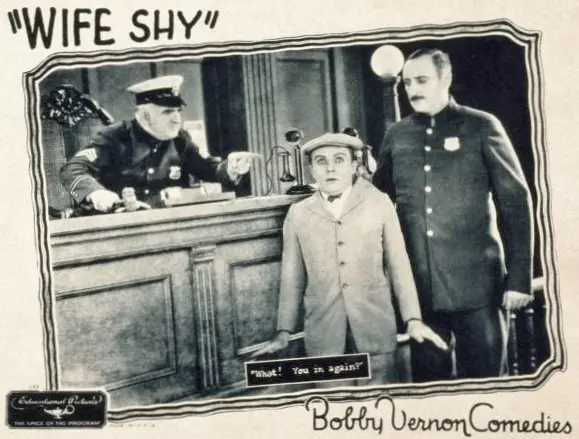
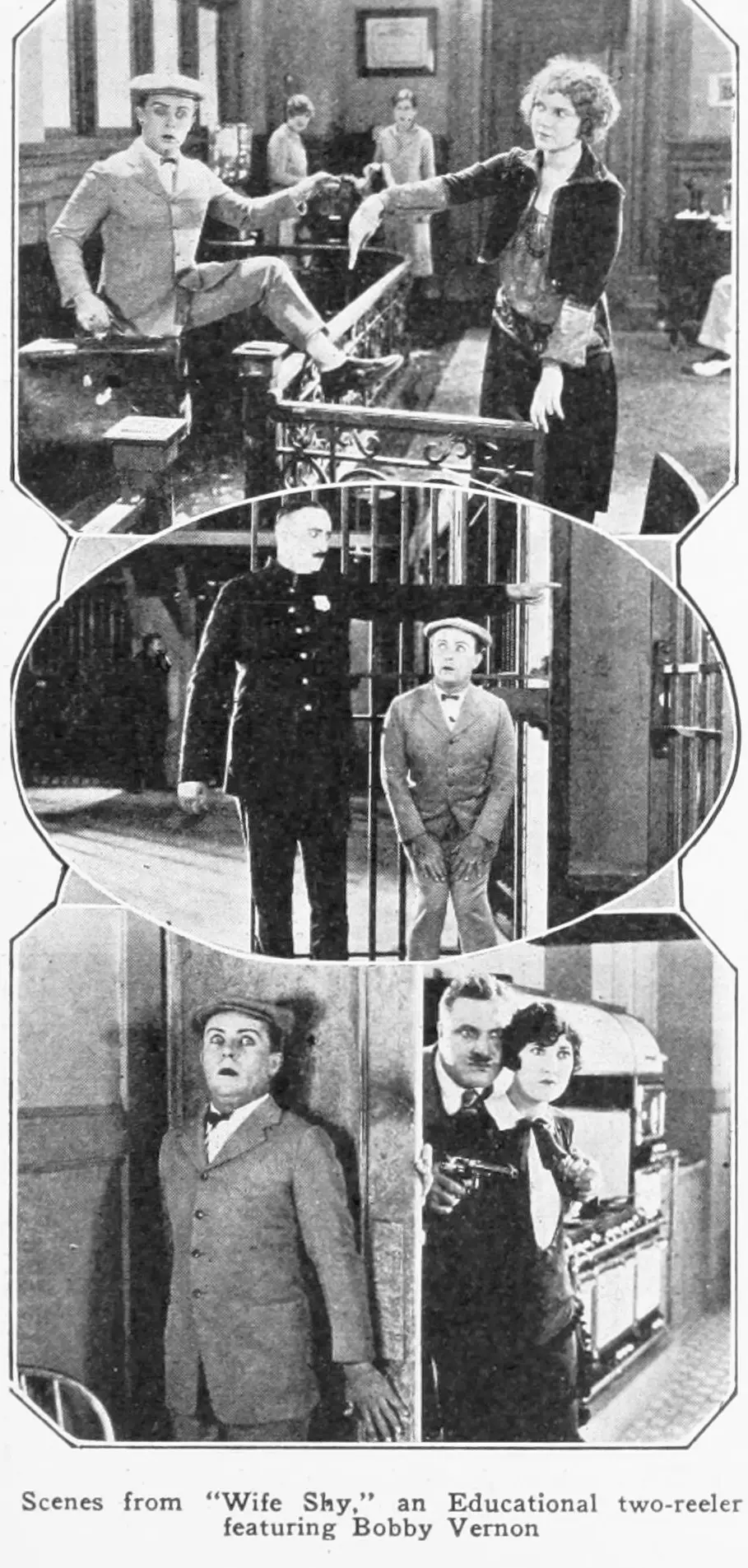
Bobby gets showered with rice while attending a wedding on a yacht. When he comes ashore, his friend Bill accuses him of being married because of the rice. Bobby explains that he has never married because he hasn't found the girl he wants. Bill advises him that when he sees her he should "go after her." Bobby sees the one he ones, follows her and is jailed. Bill bails him out. Bill asks Bobby to visit him at his apartment. He meets the girl again in the hall and she has him arrested again. Bill bails him out again. He goes to Bill's officer, sees her again, she screams and he is jailed again. Bill asks Bobby to visit him at home again. There, while alone, the girl Bobby has been following, enters the room. It is Bill's wife. But Bill has a younger and prettier sister he introduces to Bobby.
Decades after its release, Wife Shy remains a vital piece of the cinematic puzzle. Its influence can be seen in countless modern works, solidifying William Watson's status as a master of the craft in United States and beyond.