
DbcultAccessing Vault...
Director's Spotlight
Senior Film Conservator
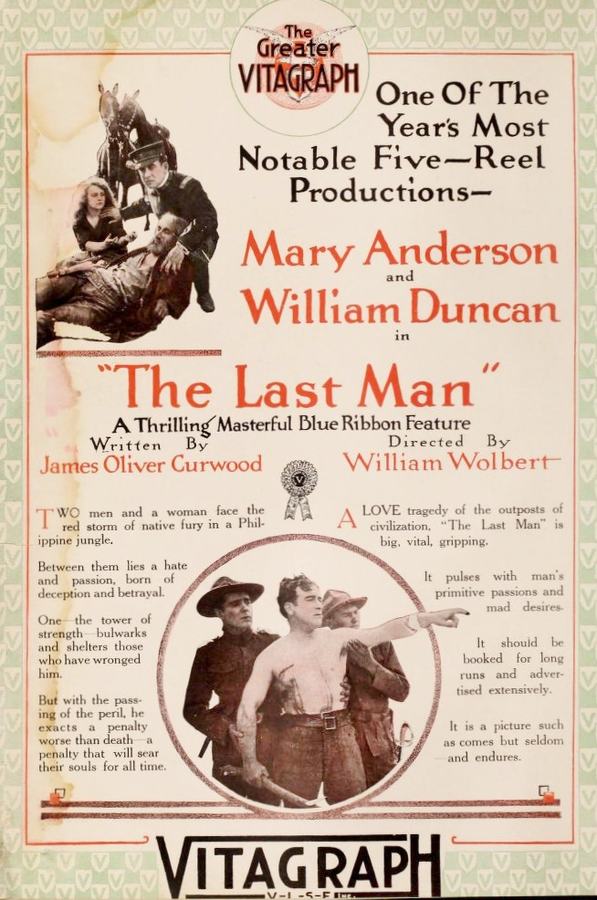
Director's Spotlight: United States
A Deep Dive into the 1916 Vision of William Wolbert
The 1916 release of The Last Man marked a significant moment for the stylistic boundaries pushed by William Wolbert during the production. In the context of United States's rich cinematic history, it invites us to question our own perceptions of cult narratives.
In The Last Man, William Wolbert pushes the boundaries of conventional narrative. The film's unique approach to its subject matter has sparked endless debates and interpretations among cinephiles and critics alike.
To fully appreciate The Last Man, one must consider the cinematic climate of 1916. During this period, United States was undergoing significant artistic shifts, and William Wolbert was at the forefront of this cult movement, often challenging established norms.
| Cinematography | Static |
| Soundtrack | Synth-Heavy |
| Editing | Rhythmic |
| Art Direction | Naturalist |
Visualizing the convergence of William Wolbert's style and the core cult narrative.
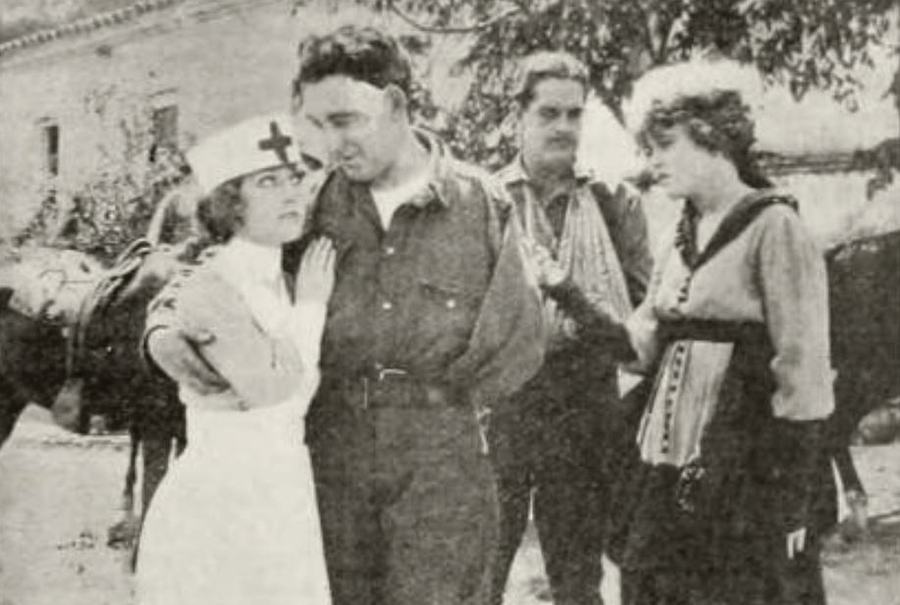
After a tour of duty in the Philippines, Major Harvey, an army surgeon, returns to his home in Montana to discover his wife Lorna has begun an affair with Lieutenant Horne, whom she marries after Harvey divorces her. Weary of his former wife's high society sophistication, Harvey falls in love with Jeanne MacDonald, a young woman from the mountains, and, giving her a job as an army nurse, returns with her to the Philippines. Meanwhile, Horne has also been stationed there, and brings Lorna with him. The Philippine rebels attack the Americans, and the two couples find themselves under siege together. During the fighting, Lorna, tired of Horne, begins flirting with her ex-husband. After the rebels have been defeated, however, Harvey rejects Lorna and marries Jeanne.
Decades after its release, The Last Man remains a vital piece of the cinematic puzzle. Its influence can be seen in countless modern works, solidifying William Wolbert's status as a master of the craft in United States and beyond.