
DbcultAccessing Vault...
Director's Spotlight
Senior Film Conservator
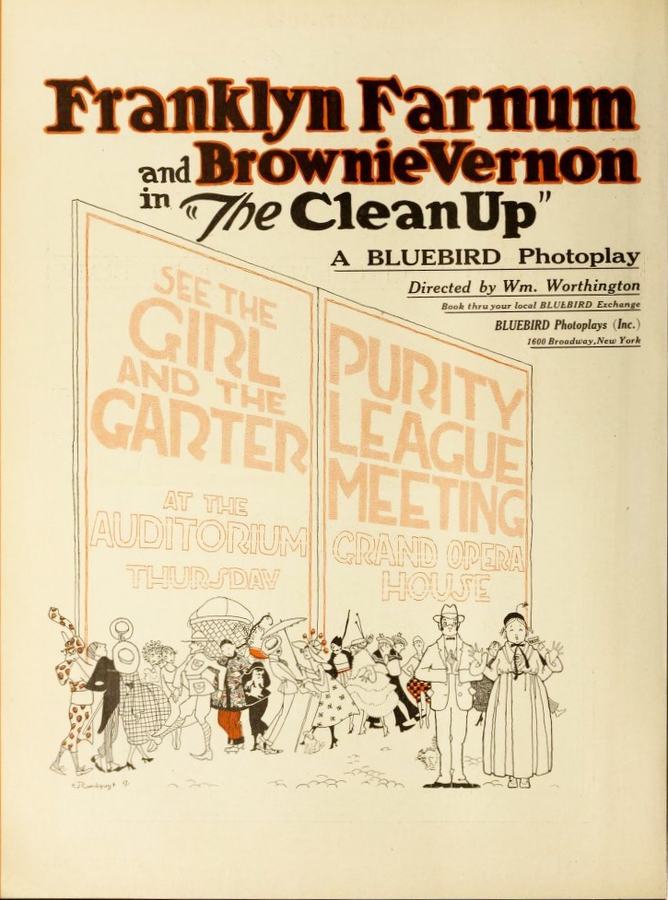
Director's Spotlight: United States
A Deep Dive into the 1917 Vision of William Worthington
In the grand tapestry of cult cinema, The Clean-Up serves as a bridge between the bold experimentation that has become synonymous with William Worthington. Breaking the traditional rules of cult engagement, it highlights the importance of independent voices in United States.
In The Clean-Up, William Worthington pushes the boundaries of conventional narrative. The film's unique approach to its subject matter has sparked endless debates and interpretations among cinephiles and critics alike.
While deeply rooted in United States, The Clean-Up has achieved a global reach, influencing directors from various backgrounds. Its ability to translate cult tropes into a universal cinematic language is why it remains a cult staple decades after its 1917 release.
| Cinematography | Noir-Inspired |
| Soundtrack | Minimalist |
| Editing | Slow-Burn |
| Art Direction | Brutalist |
Visualizing the convergence of William Worthington's style and the core cult narrative.
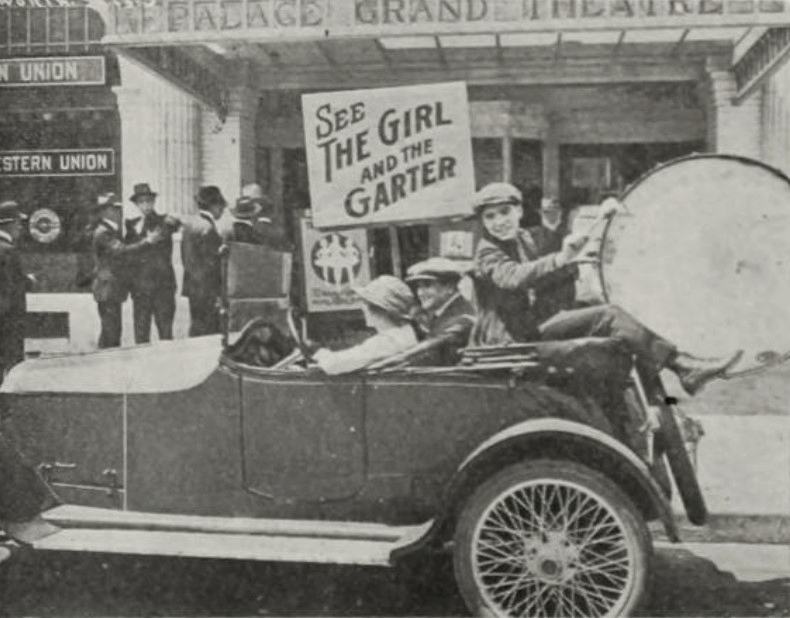
Stuart Adams, the advance-agent for a traveling burlesque troupe, arrives in Weston, Illinois, his hometown, to publicize the coming show, "The Girl and the Garter". The Purity League, led by banker James Richards, the father of Stuart's sweetheart Hazel, attempts to stop it from opening. After kissing Hazel in public - thus outraging the League members - Stuart builds curiosity about the show by having the newspaper print Richards' admission that he viewed it in New York "to see how shocking it was". He also attaches a banner which advertises the show to Hazel's roadster during a Purity League parade. After Stuart challenges Richards to a debate, Stuart helps detective Vera Vincent, whom he met on the train, capture two crooks trying to rob Richards' bank. During the debate, Stuart, knowing that the show has been canceled, offers to end the bickering by withdrawing the show. Richards then insists that Stuart, who plans to meet Hazel at the train station to elope, come to dinner. Fortunately for Stuart, Hazel had been locked in her room by her aunt, and is still at the house.
Decades after its release, The Clean-Up remains a vital piece of the cinematic puzzle. Its influence can be seen in countless modern works, solidifying William Worthington's status as a master of the craft in United States and beyond.