
DbcultAccessing Vault...
Director's Spotlight
Senior Film Conservator
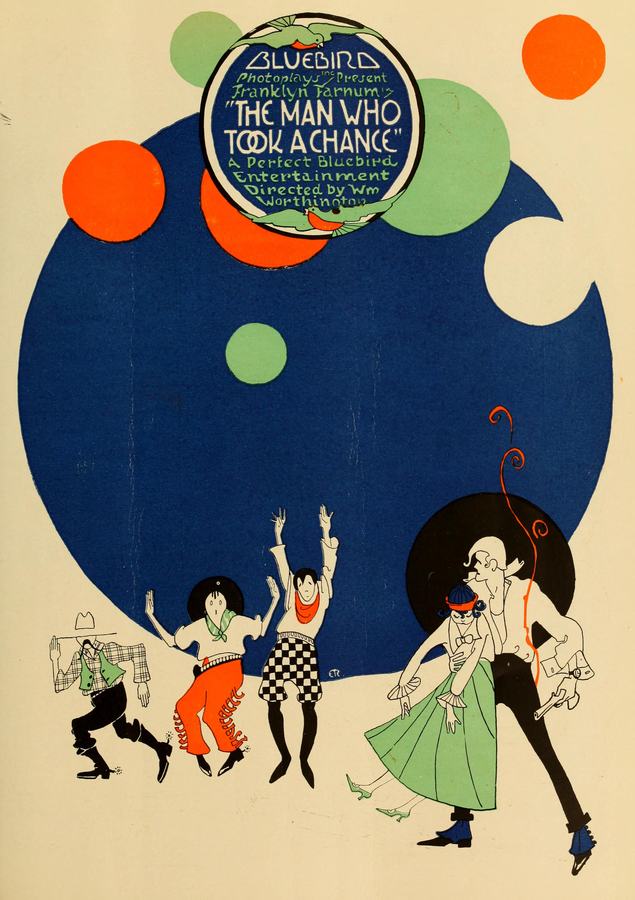
Director's Spotlight: United States
A Deep Dive into the 1917 Vision of William Worthington
As we revisit the 1917 masterpiece The Man Who Took a Chance, we are struck by the atmospheric immersion that William Worthington achieves throughout The Man Who Took a Chance. Exploring the nuances of the human condition with cult flair, it solidifies William Worthington's reputation as a master of the craft.
In The Man Who Took a Chance, William Worthington pushes the boundaries of conventional narrative. The film's unique approach to its subject matter has sparked endless debates and interpretations among cinephiles and critics alike.
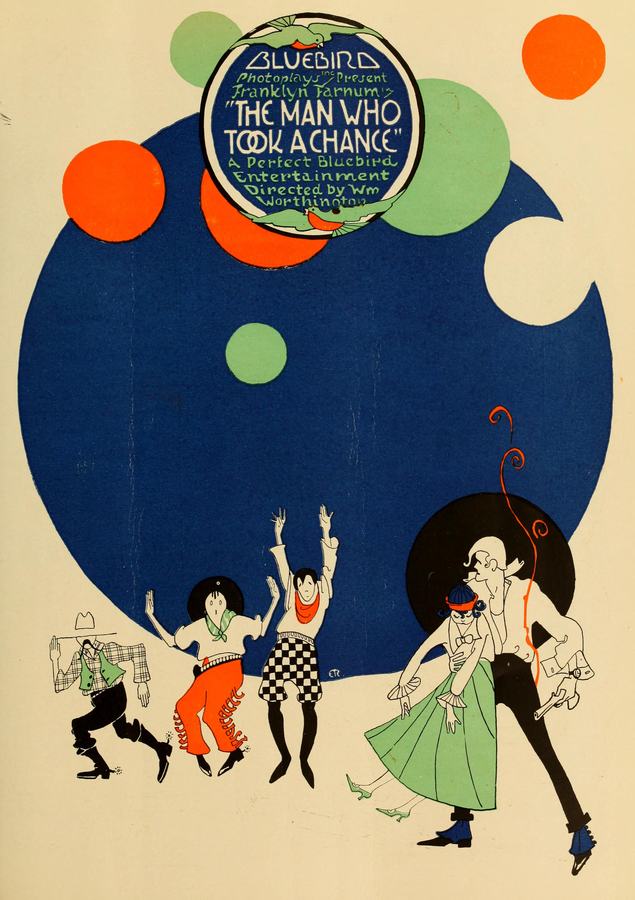
In this work, William Worthington explores the intersection of cult and United States cultural identity. The meticulous attention to detail suggests a deep-seated commitment to pushing the boundaries of the medium, ensuring that The Man Who Took a Chance remains a relevant topic of study for cult enthusiasts.
| Cinematography | Handheld |
| Soundtrack | Minimalist |
| Editing | Slow-Burn |
| Art Direction | Brutalist |
Visualizing the convergence of William Worthington's style and the core cult narrative.
Monty Gray returns to the US after spending 10 years building railroads in China. As he enters a hotel he runs into an old friend from college whom he hasn't seen in years, and they begin catching up on old times. Monty notices a picture of a young woman that his friend is carrying and, bowled over by her beauty, he instantly falls for her. However, his friend tells him that he doesn't have a chance in a million of meeting the girl, who happens to be his cousin, because her mother rules the girl's life with an iron fist and is determined that she will marry royalty and not some untitled commoner. Monty is determined to have the girl, and devises a plan to win her.
Decades after its release, The Man Who Took a Chance remains a vital piece of the cinematic puzzle. Its influence can be seen in countless modern works, solidifying William Worthington's status as a master of the craft in United States and beyond.