
DbcultAccessing Vault...
Director's Spotlight
Senior Film Conservator
Director's Spotlight: United States
A Deep Dive into the 1927 Vision of William Wyler
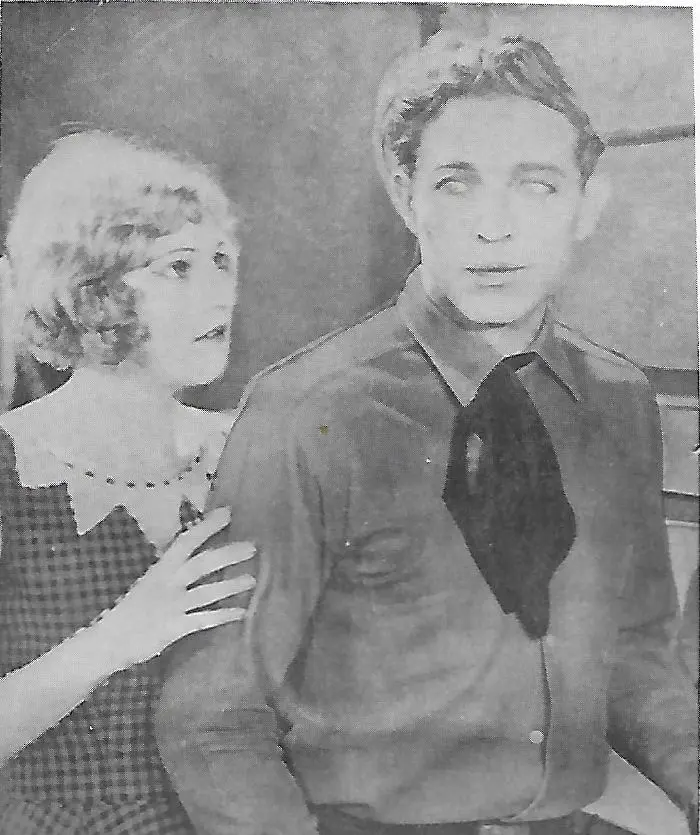
Analyzing Blazing Days (1927) requires a deep dive into the defining moment in Western history that William Wyler helped create. Defining a new era of United States artistic expression, it transcends regional boundaries to tell a universal story.
In Blazing Days, William Wyler pushes the boundaries of conventional narrative. The film's unique approach to its subject matter has sparked endless debates and interpretations among cinephiles and critics alike.
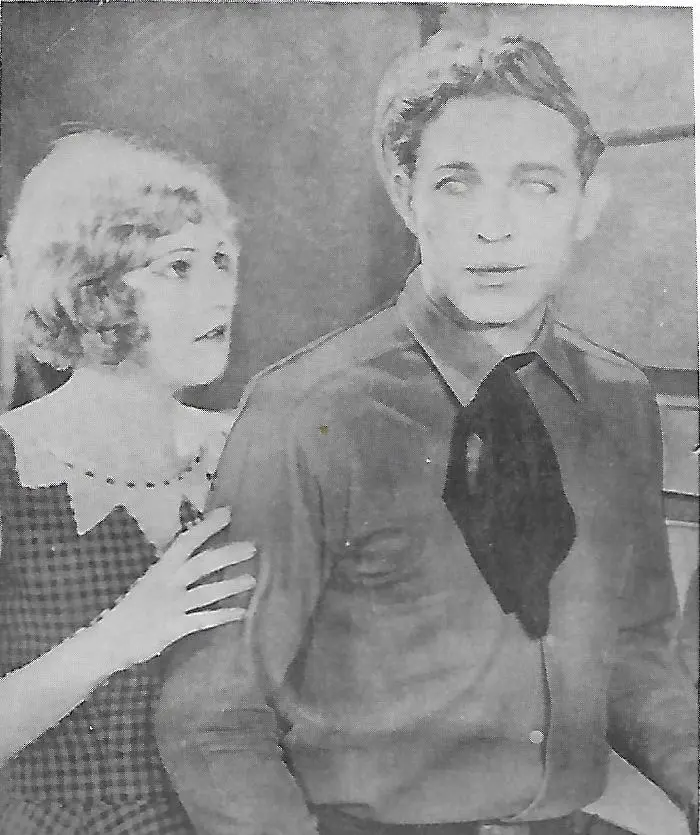
In this work, William Wyler explores the intersection of Western and United States cultural identity. The meticulous attention to detail suggests a deep-seated commitment to pushing the boundaries of the medium, ensuring that Blazing Days remains a relevant topic of study for Western enthusiasts.
| Cinematography | Deep Focus |
| Soundtrack | Synth-Heavy |
| Editing | Rhythmic |
| Art Direction | Naturalist |
Visualizing the convergence of William Wyler's style and the core Western narrative.
I saw this film at the Lone Pine Film Festival in 2019. The movie was screened from a DVD provided specially by the Library of Congress archive. The music for the silent film was played live by a pianist in the auditorium. The movie is not currently available commercially. Smilin' Sam Perry (Fred Humes) is a rancher who has taken out a loan with the local lender, Ezra Skinner (Bernard Siegel). Skinner warns him the note is coming due, but Sam is unconcerned because he has money coming in on the stage. Meanwhile, Dude Dutton (Bruce Gordon) has been cultivating the friendship of invalid Jim Morgan (Churchill Ross) in order to get close to Jim's sister Milly (Ena Gregory). Jim wants to move somewhere else, but they cannot because they don't have the money. Dude confides to Jim that he knows a way they can get the money. The next day, when Sam checks with the stage office, he learns the stage was robbed and his money is gone. Jim however, exultantly tells Milly he won enough money at gambling to move out. She is suspicious, but agrees to move with him. Sam goes out to a line shack on his ranch with his foreman and is incensed to find a shepherd herding sheep on his land and kicks the shepherd out. Dude, leaving town in a hurry, runs into the shepherd and gives him money to buy the sheep and change clothes with him. He herds the sheep right back to the line shack however, and is summarily ejected by Sam, thinking he is the same shepherd he kicked out before. On the road, Dude encounters Jim and Milly, and suggests that if Jim wants to improve his health in the outdoors, he should take up sheep herding, and tells him he can live in the line shack. Jim and Milly move in to the shack, whereupon Sam is once again enraged to find sheep on his land, but softens when he meets Milly and agrees to help them. Milly hides Jim's money in the mattress, still suspecting he stole it. Sam resolves to find Milly a place in town, but the town's rough reputation worries him. He asks Ma Bascomb, (Eva Thatcher) who owns all the saloons in town, to help, and she makes the startling decision to close down all her saloons in the interest of cleaning up the town. Sam and Ma proceed to shut down all the saloons and gambling halls as a two-person temperance committee. (The movie was filmed during Prohibition.) Dude tries to sneak into the shack to steal the money, but is discovered and arrested for the stage robbery. He tries to shift the blame for the robbery on to Jim, but the sheriff (Max Asher) attests that Jim did indeed win the money gambling. Sam discovers that his money went to buy sheep, thus he now owns the flock. Milly shows him a little lamb, which Sam has to admit is cute.
Decades after its release, Blazing Days remains a vital piece of the cinematic puzzle. Its influence can be seen in countless modern works, solidifying William Wyler's status as a master of the craft in United States and beyond.