
DbcultAccessing Vault...
Director's Spotlight
Senior Film Conservator
Director's Spotlight: United States
A Deep Dive into the 1926 Vision of William Wyler
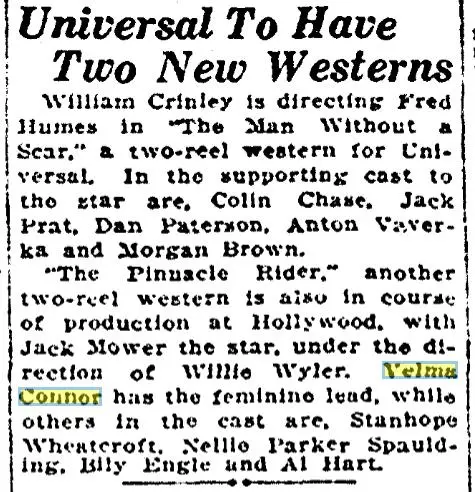
Analyzing The Pinnacle Rider (1926) requires a deep dive into the unique directorial voice that William Wyler brought to the screen. By challenging the status quo of 1926 cinema, it continues to spark endless debates among critics and cinephiles alike.
In The Pinnacle Rider, William Wyler pushes the boundaries of conventional narrative. The film's unique approach to its subject matter has sparked endless debates and interpretations among cinephiles and critics alike.
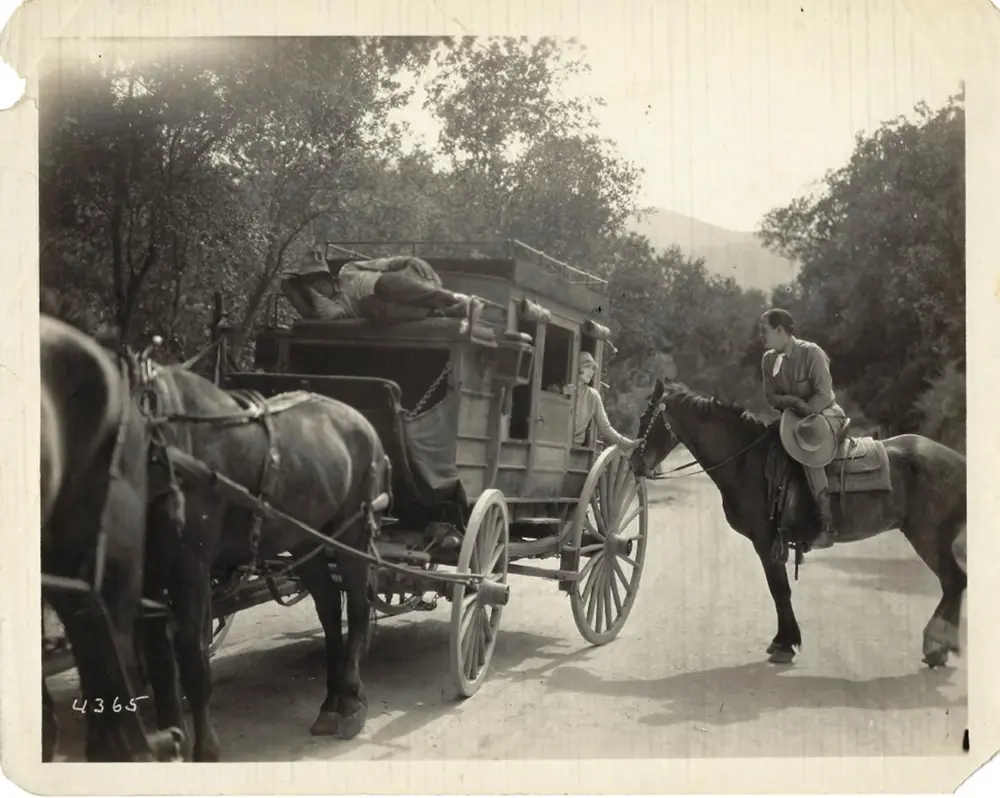
The visual language of The Pinnacle Rider is defined by its use of shadows and framing, a hallmark of William Wyler's style. By utilizing a 1926-era palette, the film creates an immersive experience that perfectly complements its Western themes.
| Cinematography | Deep Focus |
| Soundtrack | Experimental |
| Editing | Elliptical |
| Art Direction | Expressionist |
Visualizing the convergence of William Wyler's style and the core Western narrative.
A ranch owner who has inherited his property and consequently fled the walled cities and his relatives has his seclusion invaded by an aunt, her son and the supposed fiancée of the latter, a charming girl. To get rid of them Jack gets his side partner, the cook of the ranch, to tell them he is dead. That doesn't accomplish anything, for they proceed to take possession on the score that they are the next of kin and consequently the rightful heirs. The heroine, fleeing the importunities of the aunt to marry Cyril, is rescued from a buckboard runaway by the hero, who tells her for some unexplained reason that he is the notorious bad man of the district. Ultimately the city trio escape in their auto from the menial tasks they have been performing around the ranch, but in so doing fall into the hands of the real bad man and his associates in crime. They are rescued by the hero and "all's well with the world."
Decades after its release, The Pinnacle Rider remains a vital piece of the cinematic puzzle. Its influence can be seen in countless modern works, solidifying William Wyler's status as a master of the craft in United States and beyond.