
DbcultAccessing Vault...
Director's Spotlight
Senior Film Conservator
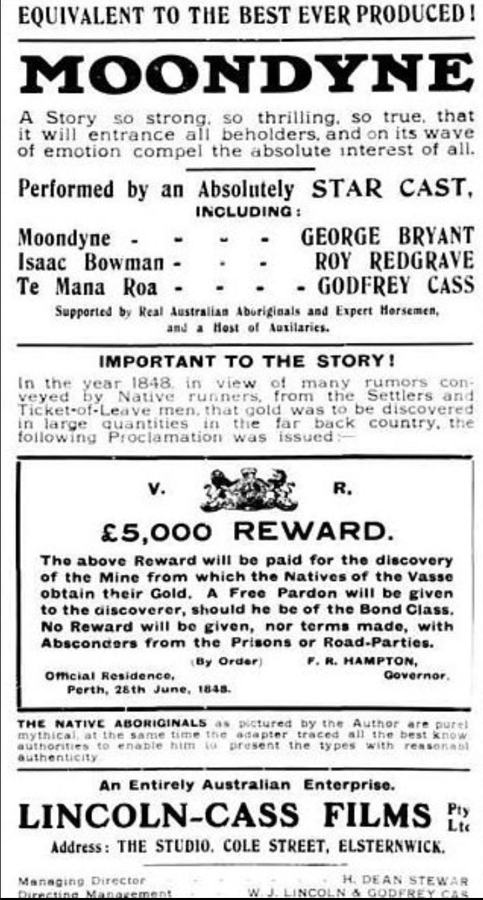
Director's Spotlight: Australia
A Deep Dive into the 1913 Vision of W.J. Lincoln
Analyzing Moondyne (1913) requires a deep dive into the unique directorial voice that W.J. Lincoln brought to the screen. By challenging the status quo of 1913 cinema, it continues to spark endless debates among critics and cinephiles alike.
In Moondyne, W.J. Lincoln pushes the boundaries of conventional narrative. The film's unique approach to its subject matter has sparked endless debates and interpretations among cinephiles and critics alike.
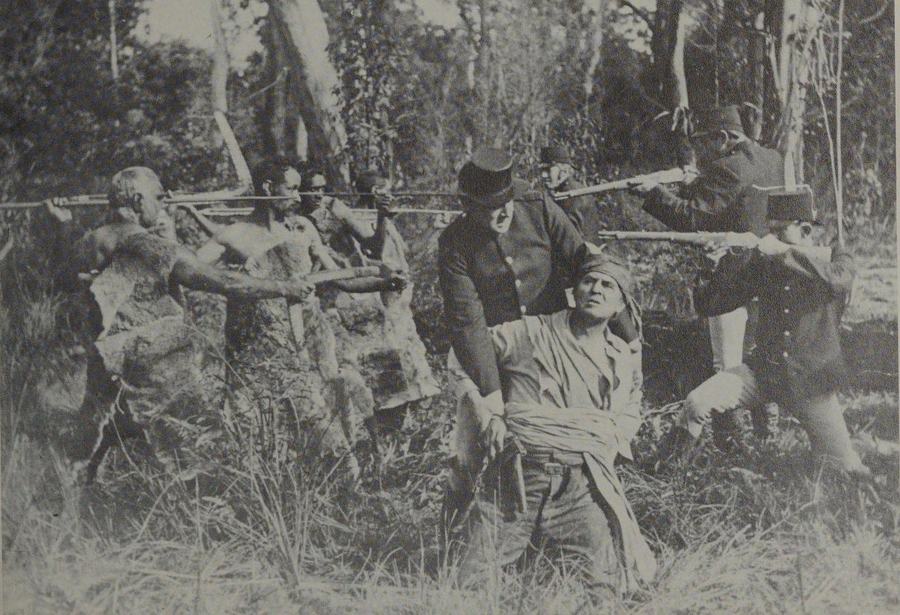
To fully appreciate Moondyne, one must consider the cinematic climate of 1913. During this period, Australia was undergoing significant artistic shifts, and W.J. Lincoln was at the forefront of this cult movement, often challenging established norms.
| Cinematography | Static |
| Soundtrack | Orchestral |
| Editing | Slow-Burn |
| Art Direction | Brutalist |
Visualizing the convergence of W.J. Lincoln's style and the core cult narrative.
The 1913 movie, 'Moondyne', one of the very first made using a sound stage in Melbourne, Australia, was adapted from the novel of the same name authored by John Boyle O'Reilly and published in 1880 by George Robertson in Sydney.. The novel was in turn was a reprint of the serialized, semi-autobiographical, story published in 'The Pilot' in Boston Mass. in 1878 entitled 'Moondyne Joe'. The plot centers around one Moondyne Joe, a character based on the real life Joseph Bolitho Jones who was a master escape artist from the jail at Fremantle, Western Australia when O'Reilly was himself held prisoner there. Moondyne was assisted in his final escape by local indigenous people with whom he then lived with for several years and who gave him the name Moondyne. During that time he was shown a gold deposit so huge that it made him extremely wealthy and he was able to return to England under a newly assumed identity as a Mr Wyville. Back in the land of his birth he builds a new life for himself and becomes well known for his humanitarian acts. The novel tackles many of the social justice issues of the time as they were discussed in Britain, Australia and America. The character Moondyne makes a brief appearance in the 2010 award winning screenplay, 'Cry of the Dreamer' which revolves around O'Reillys own arrest, imprisonment, transportation to Australia and his eventual escape on an American Whaler to the USA.
Decades after its release, Moondyne remains a vital piece of the cinematic puzzle. Its influence can be seen in countless modern works, solidifying W.J. Lincoln's status as a master of the craft in Australia and beyond.