
DbcultAccessing Vault...
Director's Spotlight
Senior Film Conservator
Director's Spotlight: France
A Deep Dive into the 1927 Vision of Wladyslaw Starewicz
In the storied career of Wladyslaw Starewicz, La Cigale et la Fourmi stands as a the atmospheric immersion that Wladyslaw Starewicz achieves throughout La Cigale et la Fourmi. Reflecting the political and social shifts of the 1927s, it reinforces the idea that cinema is a medium of infinite possibilities.
In La Cigale et la Fourmi, Wladyslaw Starewicz pushes the boundaries of conventional narrative. The film's unique approach to its subject matter has sparked endless debates and interpretations among cinephiles and critics alike.
| Cinematography | High-Contrast |
| Soundtrack | Minimalist |
| Editing | Disjunctive |
| Art Direction | Baroque |
Visualizing the convergence of Wladyslaw Starewicz's style and the core Animation narrative.
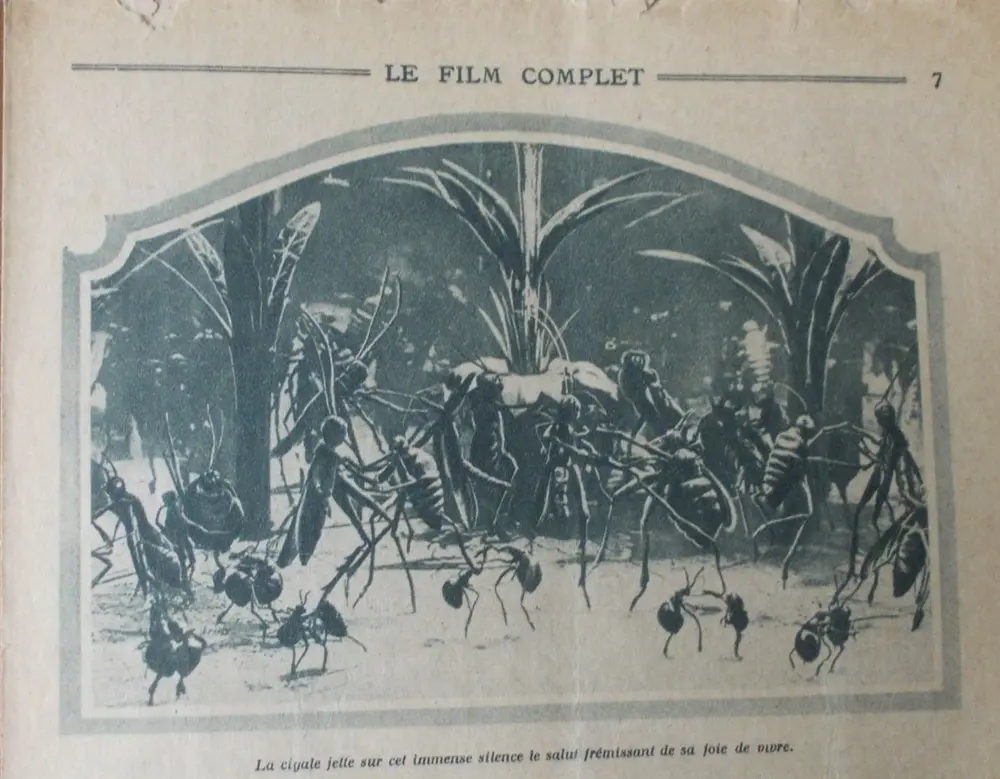
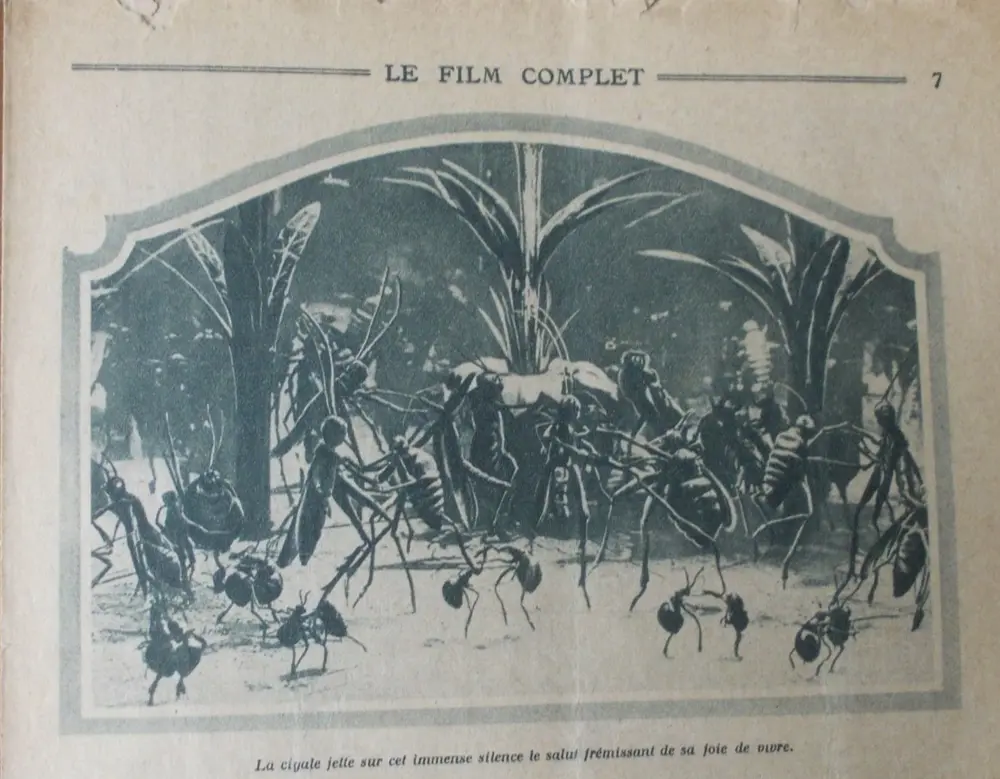
An ant works hard throughout the summer to lay aside enough to last through the winter, while his friend the cicada plays in a band, without a thought for the future. We see the cicada playing at a club filled with other insects, drinking and dancing, while the ant is fending off beetles, and building vast palaces for the colony. The cicada is left in the cold without food, and so, the ant takes him into his home for the long, cold winter.
Decades after its release, La Cigale et la Fourmi remains a vital piece of the cinematic puzzle. Its influence can be seen in countless modern works, solidifying Wladyslaw Starewicz's status as a master of the craft in France and beyond.