
DbcultAccessing Vault...
Director's Spotlight
Senior Film Conservator
Director's Spotlight: France
A Deep Dive into the 1927 Vision of Wladyslaw Starewicz
The 1927 release of La reine des papillons marked a significant moment for the stylistic boundaries pushed by Wladyslaw Starewicz during the production. In the context of France's rich cinematic history, it invites us to question our own perceptions of Animation narratives.
In La reine des papillons, Wladyslaw Starewicz pushes the boundaries of conventional narrative. The film's unique approach to its subject matter has sparked endless debates and interpretations among cinephiles and critics alike.
The visual language of La reine des papillons is defined by its use of shadows and framing, a hallmark of Wladyslaw Starewicz's style. By utilizing a 1927-era palette, the film creates an immersive experience that perfectly complements its Animation themes.
| Cinematography | Noir-Inspired |
| Soundtrack | Experimental |
| Editing | Elliptical |
| Art Direction | Expressionist |
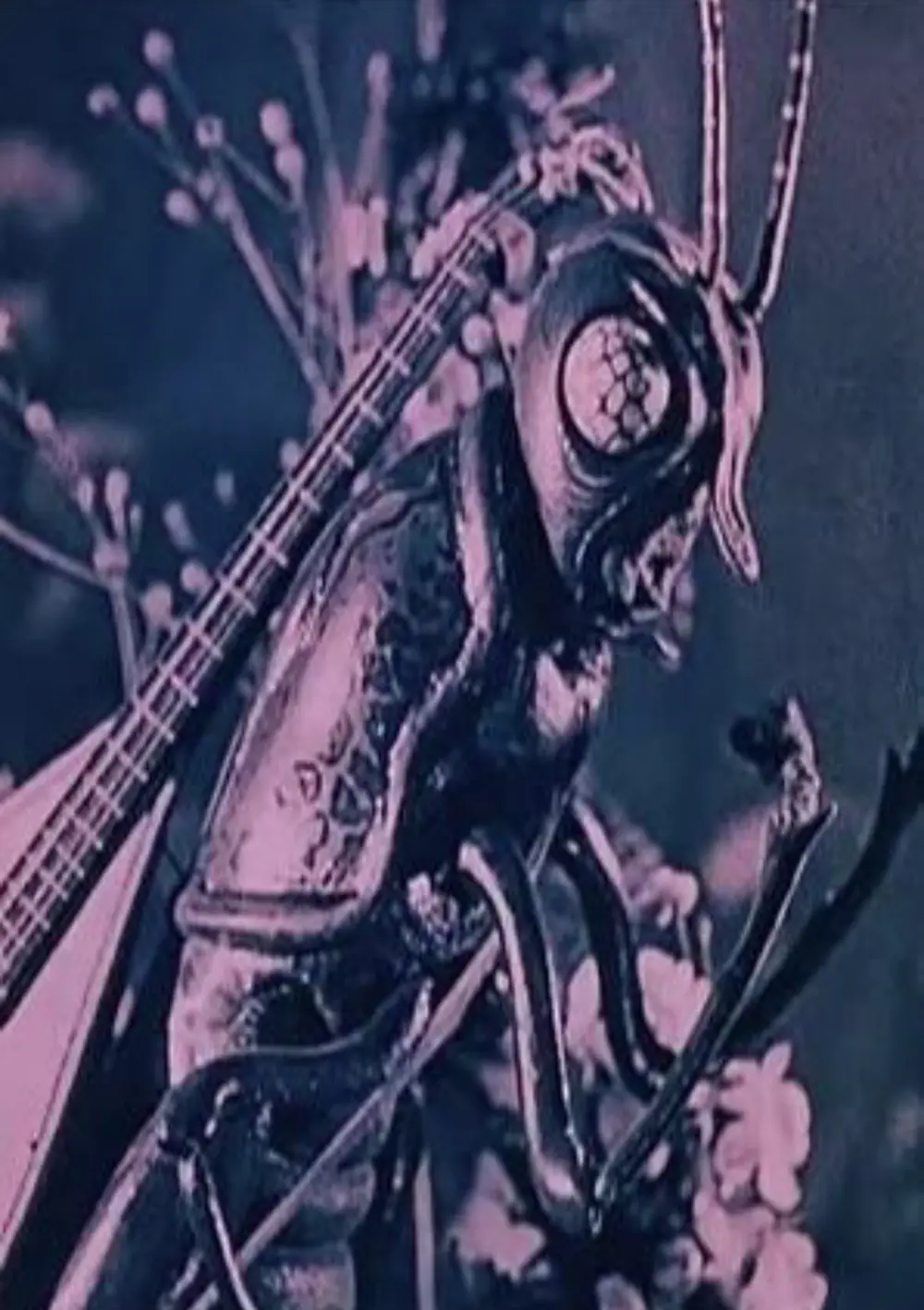
Visualizing the convergence of Wladyslaw Starewicz's style and the core Animation narrative.
Nina Starr saves a caterpillar's life. Later she dreams it has changed into a beautiful butterfly and all the butterflies and insects have made her their queen. When the evil King of Spiders kidnaps her, all her subjects rush to her aid.
Decades after its release, La reine des papillons remains a vital piece of the cinematic puzzle. Its influence can be seen in countless modern works, solidifying Wladyslaw Starewicz's status as a master of the craft in France and beyond.