
DbcultAccessing Vault...
Director's Spotlight
Senior Film Conservator

Director's Spotlight: France
A Deep Dive into the 1928 Vision of Wladyslaw Starewicz
The artistic breakthrough represented by L'horloge magique ou La petite fille qui voulait être princesse in 1928 highlights the philosophical inquiries that Wladyslaw Starewicz embeds within the narrative. Framed by the hauntingly beautiful landscapes of the production, it leaves an indelible mark on the soul of the viewer.
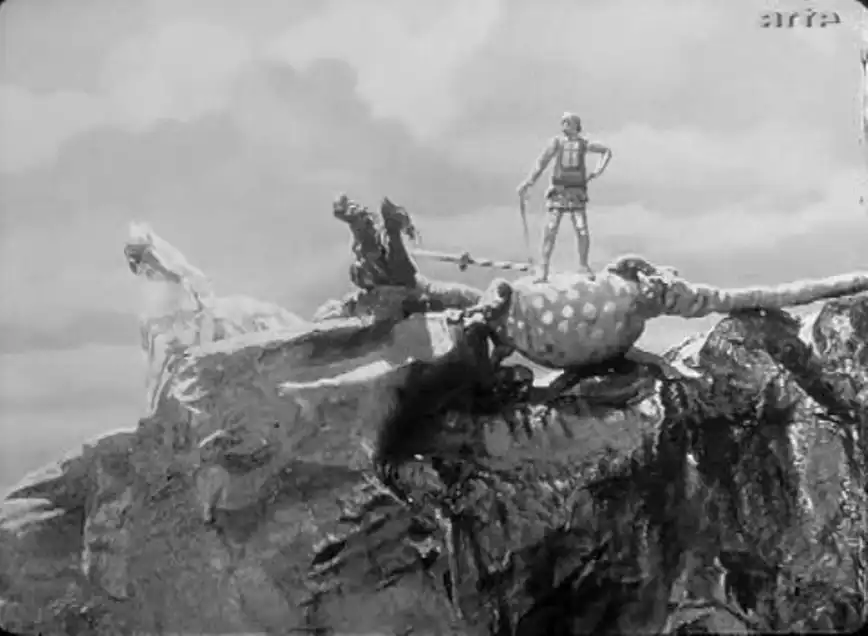
In L'horloge magique ou La petite fille qui voulait être princesse, Wladyslaw Starewicz pushes the boundaries of conventional narrative. The film's unique approach to its subject matter has sparked endless debates and interpretations among cinephiles and critics alike.
| Cinematography | Noir-Inspired |
| Soundtrack | Synth-Heavy |
| Editing | Rhythmic |
| Art Direction | Naturalist |
Visualizing the convergence of Wladyslaw Starewicz's style and the core Adventure narrative.
It's the story of Yolande, a little girl (about 12) who wanted to become a princess. Bombastus, her old father, has created a marvelous and big clock crowded with little characters (animated puppets). On each hour ring, one of the twelve knights of the clock comes into motion. They're all in love with the princess but a strong black knight doesn't agree... It's not a happy end. So Yolande will dive deep into her dreams, maybe to change the story. It's the second part of the movie. Sylph, master of this imaginary earth and Ondin, master of the aquatic world are the main characters. Yolande and then the man of her dreams join this strange world...
Decades after its release, L'horloge magique ou La petite fille qui voulait être princesse remains a vital piece of the cinematic puzzle. Its influence can be seen in countless modern works, solidifying Wladyslaw Starewicz's status as a master of the craft in France and beyond.