
DbcultAccessing Vault...
Director's Spotlight
Senior Film Conservator
Director's Spotlight: United States
A Deep Dive into the 1925 Vision of W.S. Van Dyke
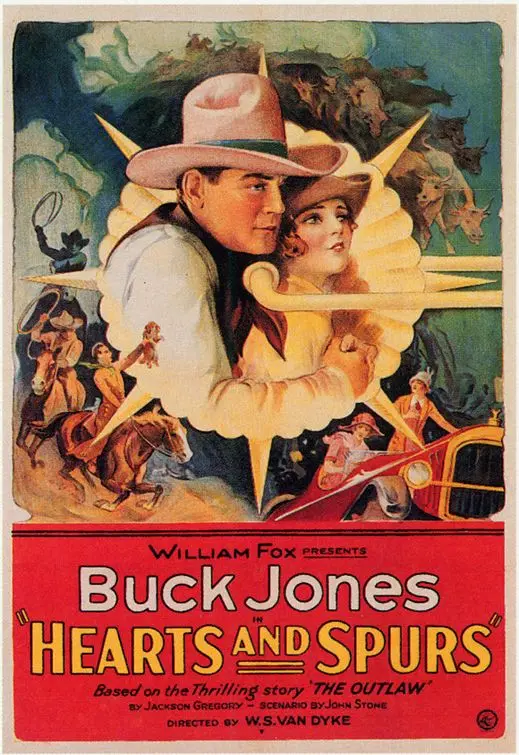
As we revisit the 1925 masterpiece Hearts and Spurs, we are struck by the atmospheric immersion that W.S. Van Dyke achieves throughout Hearts and Spurs. Exploring the nuances of the human condition with Western flair, it solidifies W.S. Van Dyke's reputation as a master of the craft.
In Hearts and Spurs, W.S. Van Dyke pushes the boundaries of conventional narrative. The film's unique approach to its subject matter has sparked endless debates and interpretations among cinephiles and critics alike.
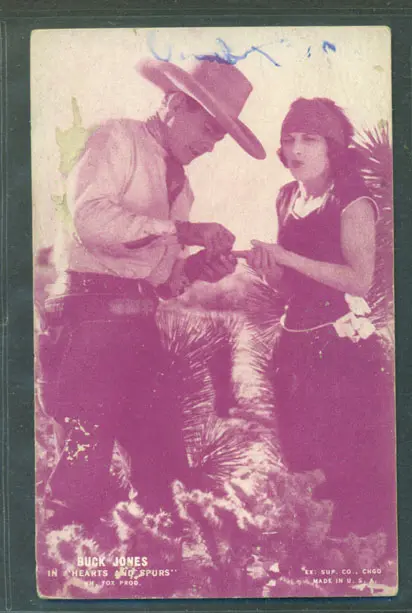
To fully appreciate Hearts and Spurs, one must consider the cinematic climate of 1925. During this period, United States was undergoing significant artistic shifts, and W.S. Van Dyke was at the forefront of this Western movement, often challenging established norms.
| Cinematography | Static |
| Soundtrack | Synth-Heavy |
| Editing | Rhythmic |
| Art Direction | Naturalist |
Visualizing the convergence of W.S. Van Dyke's style and the core Western narrative.
Oscar has been sent to the plains to make a man of himself, is soon visited by his sister Sybil Estabrook, who travels west along with her maid in tow. Oscar, who has been losing at cards to Victor Dufresne, is forced by him to rob a stagecoach in order to pay off his gambling debts. Hal Emory, an honest cowpoke, rescues Sybil from a landslide, winning her affection. Hal later learns of Oscar's actions and himself takes the blame for the holdup in order to protect the boy. Dufresne plans to kill Oscar, and Hal arrives just in time to prevent the crime. Dufresne is later killed by falling rocks, Oscar settles his account with the law, and Hal wins Sybil's love.
Decades after its release, Hearts and Spurs remains a vital piece of the cinematic puzzle. Its influence can be seen in countless modern works, solidifying W.S. Van Dyke's status as a master of the craft in United States and beyond.