
DbcultAccessing Vault...
Director's Spotlight
Senior Film Conservator
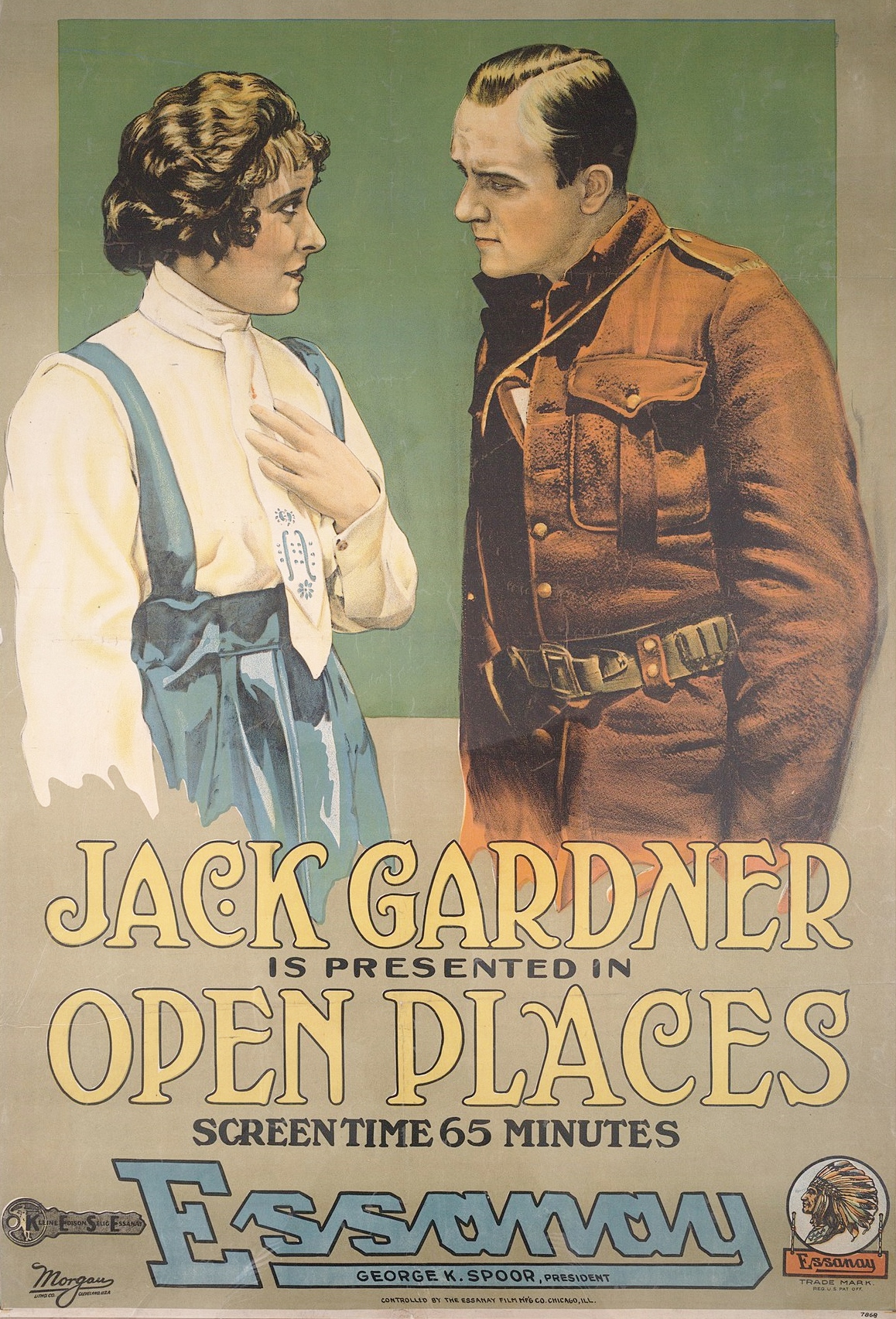
Director's Spotlight: United States
A Deep Dive into the 1917 Vision of W.S. Van Dyke
As we revisit the 1917 masterpiece Open Places, we are struck by the atmospheric immersion that W.S. Van Dyke achieves throughout Open Places. Exploring the nuances of the human condition with cult flair, it solidifies W.S. Van Dyke's reputation as a master of the craft.
In Open Places, W.S. Van Dyke pushes the boundaries of conventional narrative. The film's unique approach to its subject matter has sparked endless debates and interpretations among cinephiles and critics alike.
To fully appreciate Open Places, one must consider the cinematic climate of 1917. During this period, United States was undergoing significant artistic shifts, and W.S. Van Dyke was at the forefront of this cult movement, often challenging established norms.
| Cinematography | Static |
| Soundtrack | Orchestral |
| Editing | Invisible |
| Art Direction | Kitsch |
Visualizing the convergence of W.S. Van Dyke's style and the core cult narrative.
Mollie Andrews is a little New England school teacher who goes out to Rawhide, Montana, to "teach the west" its manners. She is of romantic nature, and the picturesque statue and habits of Dan Clark impress her deeply. She marries him. Clark is a bad man at heart. He treats Mollie brutally after the first blush of honeymooning; then slays one of his own kind, and escapes across the border to Canada. The year that passes teaches Mollie some things about mankind she never knew before. One was to appreciate Constable Calhoun, of the Royal Mounted Police, who occasionally called on her, as a real friend. But though their mutual regard for each other ripens finally into love, Mollie remains true to her husband. When he turns up again she exacts a promise from Calhoun, on the strength of his love for her, that he will not harm Clark until the latter strikes the first blow. The beast within Clank still runs amok, however, and he attacks the policeman, unjustly accusing him of undue attentions to Mollie. A struggle ensues in which Clark falls dead. Thus Mollie is released from her marriage vows, and her future brightens with Calhoun awaiting her.
Decades after its release, Open Places remains a vital piece of the cinematic puzzle. Its influence can be seen in countless modern works, solidifying W.S. Van Dyke's status as a master of the craft in United States and beyond.